Discover the Benefits of Pu Dehydrated Screen for Your Business?
In the competitive landscape of modern business, efficiency and productivity are crucial. One innovative solution gaining traction is the "Pu Dehydrated Screen." Industry expert Dr. Henry Liu emphasizes its significance by stating, "The right screen can enhance operational efficiency and reduce costs dramatically."
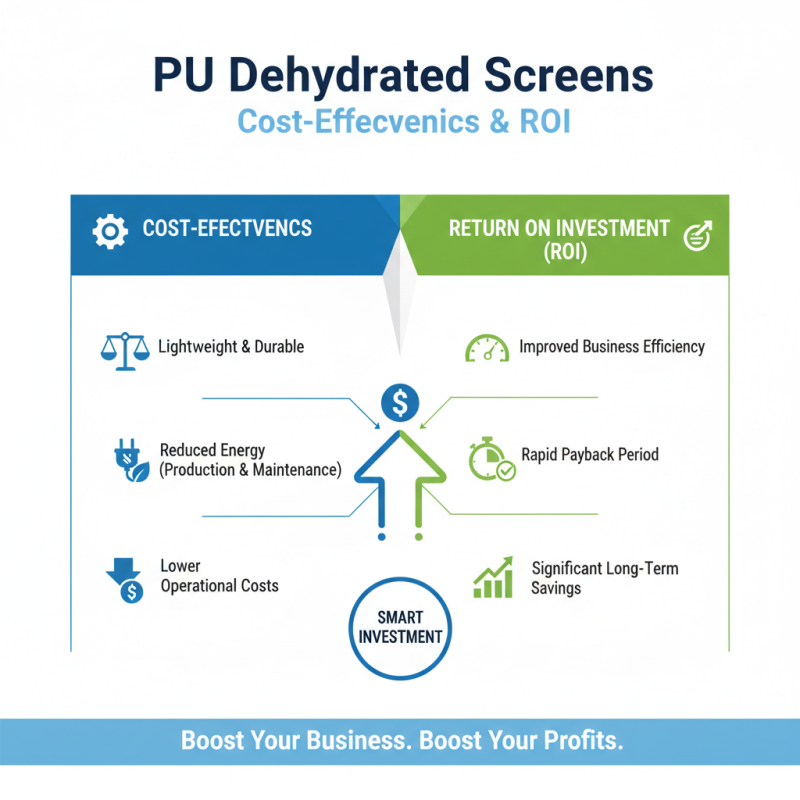
The Pu Dehydrated Screen offers myriad benefits for businesses aiming to optimize processes. This technology helps minimize waste and maximizes resource utilization, aligning perfectly with sustainability goals. Companies that integrate it often report noticeably improved productivity and operational reliability.
Yet, while many embrace this innovation, some remain skeptical. Questions linger about the initial investment and the learning curve associated with new technology. It is essential to weigh these concerns against the long-term advantages. By reflecting on these factors, businesses can make informed decisions about adopting the Pu Dehydrated Screen and its potential impact on their success.

What is Pu Dehydrated Screen and How Does It Work?
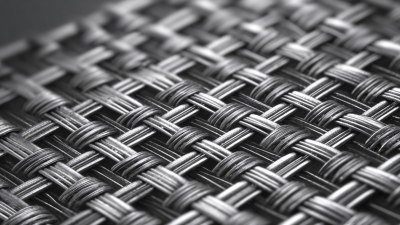
PU dehydrated screens are revolutionary tools in various industries. These screens utilize a unique material that can withstand intense conditions. Understanding their function helps businesses maximize efficiency.
Essentially, PU dehydrated screens work by filtering out unwanted materials while allowing liquids to pass through. This process aids in improving productivity. The durability of PU material ensures longevity, reducing the need for frequent replacements. However, businesses may encounter challenges like initial adjustment and maintenance.
In practical application, these screens excel in diverse environments. For instance, in wastewater treatment, they can significantly reduce solids in the output. The success of these screens depends on proper installation and regular monitoring. While they offer many advantages, users must remain vigilant about potential wear and tear.
Key Advantages of Using Pu Dehydrated Screens in Business
Pu dehydrated screens are becoming increasingly popular in various industries. They offer significant benefits that can enhance operational efficiency. According to recent industry reports, businesses using these screens can improve their filtration processes by up to 30%. This efficiency leads to reduced downtime and operational costs.
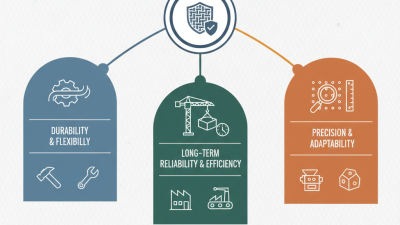
One of the key advantages of pu dehydrated screens is their durability. They withstand harsh conditions better than traditional materials. Their lifespan can exceed five years, often resulting in lower replacement costs. However, some businesses may overlook the importance of proper maintenance. Neglecting this can reduce effectiveness and lifespan.
Additionally, these screens provide superior dewatering results. Reports indicate enhanced moisture removal, which can improve product quality and reduce energy consumption. However, transitioning to pu dehydrated screens requires training. Without proper knowledge, teams may struggle to leverage their full potential. Investing in training is crucial for maximizing the benefits.
Applications of Pu Dehydrated Screens Across Various Industries
Pu dehydrated screens are increasingly becoming essential in various industries, showcasing their versatility and benefits. In food processing, these screens ensure effective filtration and separation. They help maintain product quality by removing unwanted particles. Producers can achieve a cleaner end product, leading to higher consumer satisfaction.
In the construction sector, pu dehydrated screens help in aggregate processing. They efficiently separate materials based on size, enhancing the material quality. These screens reduce waste and improve operational efficiency. However, users must carefully consider maintenance, as neglect can lead to decreased performance over time.
The recycling industry also finds value in these screens. They aid in sorting materials, promoting a circular economy. By improving the recovery rate of valuable resources, businesses can reduce environmental impact. Yet, reliance on these screens may require a reevaluation of processes as technology evolves. Engaging with industry experts can help optimize their use.
Benefits of PU Dehydrated Screens in Various Industries
Maintenance and Care Tips for Pu Dehydrated Screens in Operations
Maintaining Pu dehydrated screens is essential for their longevity and efficiency. Regular cleaning is crucial. Dust buildup can obstruct airflow, impacting performance. Wipe the screen surface with a damp cloth weekly. This simple task prevents debris from accumulating. However, avoid harsh chemicals that might damage the screen.
Check for signs of wear regularly. Look for cracks or tears in the material. Timely repairs can save you from expensive replacements. Inspect gaskets and sealing edges, as these components are vital for proper functionality. While it is easy to overlook these details, doing so may lead to bigger issues down the line.
Proper storage is another critical aspect. When not in use, store screens in a cool, dry place. Exposure to moisture can lead to deterioration. Consider placing them in protective covers. Document any maintenance tasks to keep track of what has been done and areas that need attention. Being organized can help streamline care processes, ensuring your screens perform optimally over time.
Discover the Benefits of Pu Dehydrated Screen for Your Business? - Maintenance and Care Tips for Pu Dehydrated Screens in Operations
| Benefits |
Description |
Maintenance Tips |
Care Instructions |
| Durability |
PU dehydrated screens are resistant to wear and tear, ensuring long service life. |
Regularly inspect for any wear and tear. |
Clean with a soft cloth and avoid abrasive materials. |
| Lightweight |
Their lightweight nature makes them easy to handle and install. |
Handle with care during installation to avoid damage. |
Store in a dry place to avoid moisture absorption. |
| Cost-effective |
They provide a lower total cost of ownership due to reduced maintenance needs. |
Schedule periodic maintenance checks. |
Use approved cleaners to maintain performance. |
| Versatility |
Applicable for various industries, including food and beverages, petrochemicals, and more. |
Ensure compatibility with the operating environment. |
Regularly dust off to prevent build-up of materials. |
 No. 14, Building 2, No. 367 Beijing Road, Chengdu Economic and Technological Development Zone (Longquanyi District)