2026 Best Fine Mesh Screens for Home and Garden Use?
In recent years, the demand for Fine Mesh products has surged. According to industry reports, the fine mesh screen market is projected to grow by 7.5% annually by 2026. Homeowners and gardeners increasingly seek efficient ways to protect their spaces from pests and debris without compromising airflow. Fine mesh screens offer the perfect solution.
These screens come in various materials and sizes. Their versatility makes them suitable for a range of applications. As more people invest in gardening, fine mesh screens can help maintain plant health by preventing insects from entering gardens. However, not all products are created equal. Quality often varies significantly among brands, leading to a critical need for informed choices.
Consider the unique requirements of your outdoor space. Some fine mesh screens may not last long under harsh weather conditions. It’s essential to reflect on their durability and functionality. In consumer reviews, many users express mixed feelings about their effectiveness, highlighting the importance of thorough research before purchase.
Overview of Fine Mesh Screens and Their Applications
Fine mesh screens are essential for both home and garden use. These screens serve various purposes, including filtering out pests, providing shade, and serving as a barrier against debris. According to industry reports, the demand for fine mesh screens has increased by nearly 25% due to a rising focus on outdoor space enhancements and pest control.
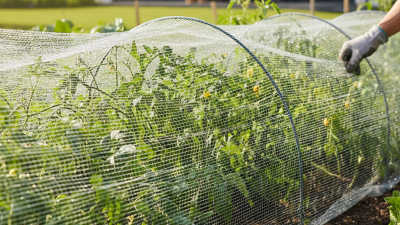
In gardens, mesh screens help protect plants from insects without blocking airflow. They allow sunlight while keeping unwanted creatures at bay. For home applications, these screens are used in windows and doors, helping to improve ventilation without sacrificing comfort. A study by the Home Improvement Research Institute notes that homes with effective screening see fewer pest-related issues.
**Tips:** When choosing fine mesh screens, consider the gauge size. A finer mesh blocks smaller pests but might limit airflow. Check your specific needs before purchasing. Regular maintenance is key. Screen damage can reduce their effectiveness.
Selecting the right material is also vital. Aluminum and fiberglass offer different pros and cons. Furthermore, not all screens fit every location perfectly; trial and error may be required to find the ideal solution for your environment. Consider seasonal changes, as some screens may perform differently depending on weather conditions.
2026 Best Fine Mesh Screens for Home and Garden Use
| Screen Type |
Dimensions (inches) |
Material |
Application |
Mesh Size (microns) |
UV Resistance |
| Window Screen |
36 x 48 |
Fiberglass |
Windows |
150 |
Yes |
| Garden Netting |
10 x 20 |
Polyethylene |
Gardening |
50 |
No |
| Sand Filter Screen |
24 x 36 |
Stainless Steel |
Pool Filter |
100 |
Yes |
| Insect Screen |
48 x 72 |
Polyester |
Porch/Patio |
200 |
Yes |
| Mesh Bag |
12 x 18 |
Nylon |
Storage |
75 |
No |
Types of Fine Mesh Screens for Home and Garden Use
Fine mesh screens serve various roles in home and garden settings. They protect plants from pests and allow air circulation. Different types of fine mesh screens suit different uses. For instance, insect netting helps keep pesky bugs away while letting sunlight through. Studies show that using these screens can reduce pest damage by up to 90%. This is vital for gardeners keen on organic practices.
Another common type is garden netting, often used for fruit and vegetable protection. These screens are lightweight yet strong. They can endure harsh weather. Research indicates that gardens using protective netting yield 30% more produce. Homeowners appreciate this, as they aim for both quality and quantity in their harvests.
Some might overlook the importance of adequate mesh size. Screens that are too fine can obstruct airflow. This can lead to moisture buildup and fungal issues. Homeowners need to find a balance. Testing different types can be beneficial. The wrong choice may hamper plant growth, rather than enhance it. Experimenting is key to finding the perfect fit for specific gardening needs.
Comparison of Fine Mesh Screen Types for Home and Garden Use
This chart illustrates the average effectiveness of various types of fine mesh screens used in home and garden applications, measured by their ability to filter particles.
Key Features to Consider When Selecting Fine Mesh Screens
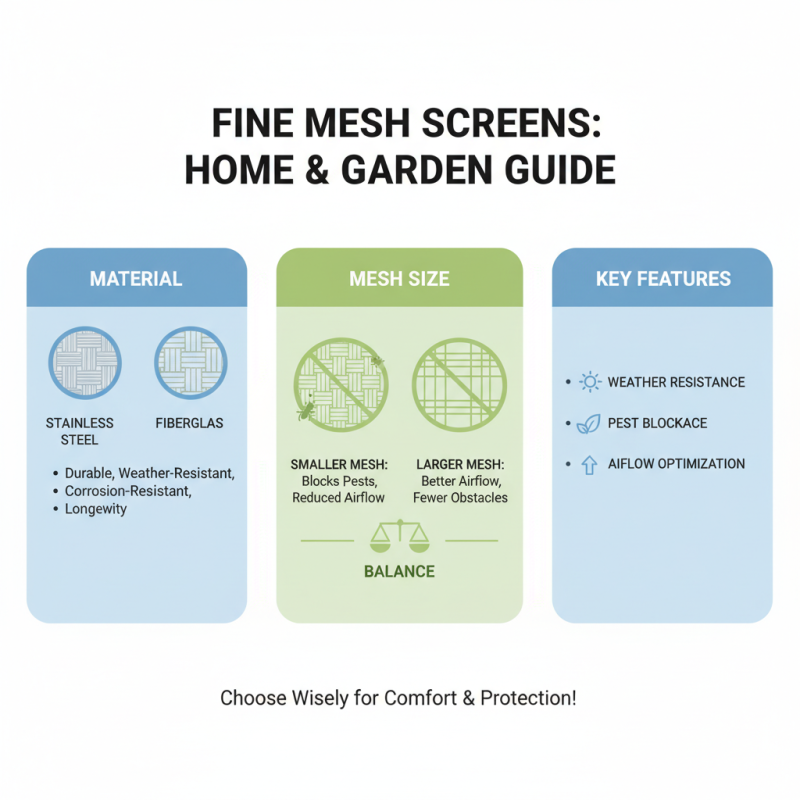
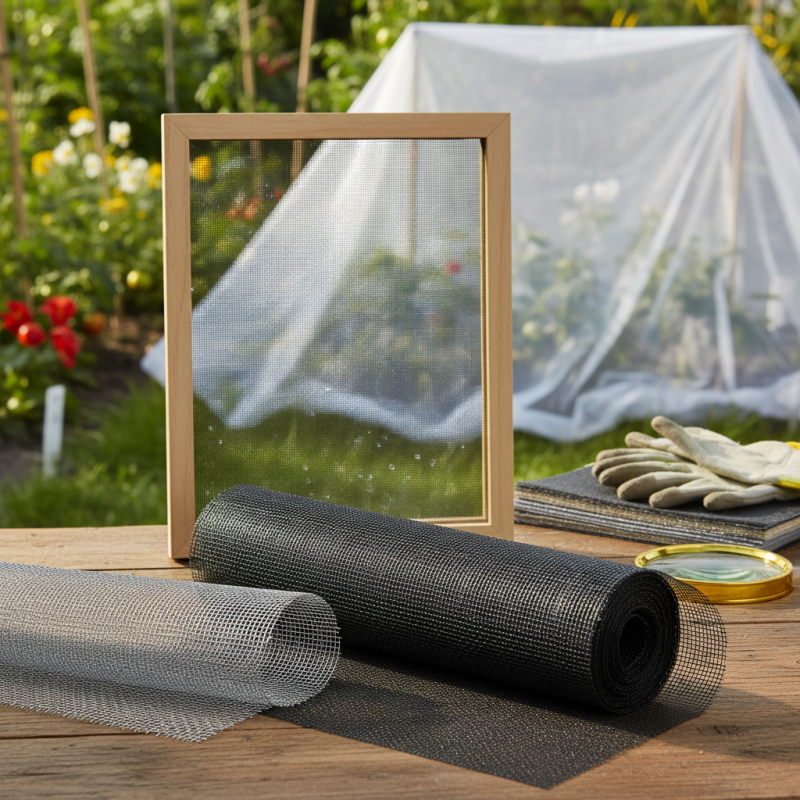
When selecting fine mesh screens for home and garden use, consider several key features. The material is essential. Look for durable options that withstand weather changes. Stainless steel and fiberglass are popular choices. They offer longevity and resist corrosion. The right mesh size is crucial too. Smaller meshes block pests effectively, but can limit airflow. Balance is key.
Flexibility matters greatly. Some screens are rigid, while others allow for easy installation and removal. Think about where you will use them. Screens for windows may need different characteristics than those for gardening applications. Functionality can influence your choice significantly. Also, check the frame material. Some options may rust over time, impacting the screen's lifespan.
Finally, consider the aesthetic appeal. A well-chosen screen can complement your home decor or garden design. Neutral colors often blend well, but bold hues make a statement. Assess your needs thoroughly. Reflect on whether the screen will be practical or simply decorative. Finding the perfect fine mesh screen requires thoughtful consideration of these factors.
Top Brands and Models for 2026 Best Fine Mesh Screens
When selecting fine mesh screens for home and garden use in 2026, it’s essential to consider various factors. Choosing the right material is crucial. Some screens are made of metal, while others are synthetic. Each material has its pros and cons. A metal screen may provide durability, but it also rusts over time. Synthetic options are lightweight but might not resist UV rays well. Balancing these factors can lead to a better purchasing decision.
In terms of designs, a variety of styles are available. Some screens are compact, ideal for small projects. Others are larger and can cover extensive areas. It's easy to overlook the size you need. Installation can be tricky, and not all screens come with clear instructions. A poorly installed screen may lead to frustration. Reviewing customer feedback can highlight potential issues.
Moreover, mesh size matters significantly. A finer mesh can keep out small insects but may also obstruct airflow. This can be a double-edged sword. It's useful to weigh the benefits against the drawbacks. Some screens are easy to clean, while others require more effort. Maintenance is something that often slips our minds. Careful consideration of these details can enhance your experience with fine mesh screens.
Maintenance Tips for Long-lasting Fine Mesh Screens
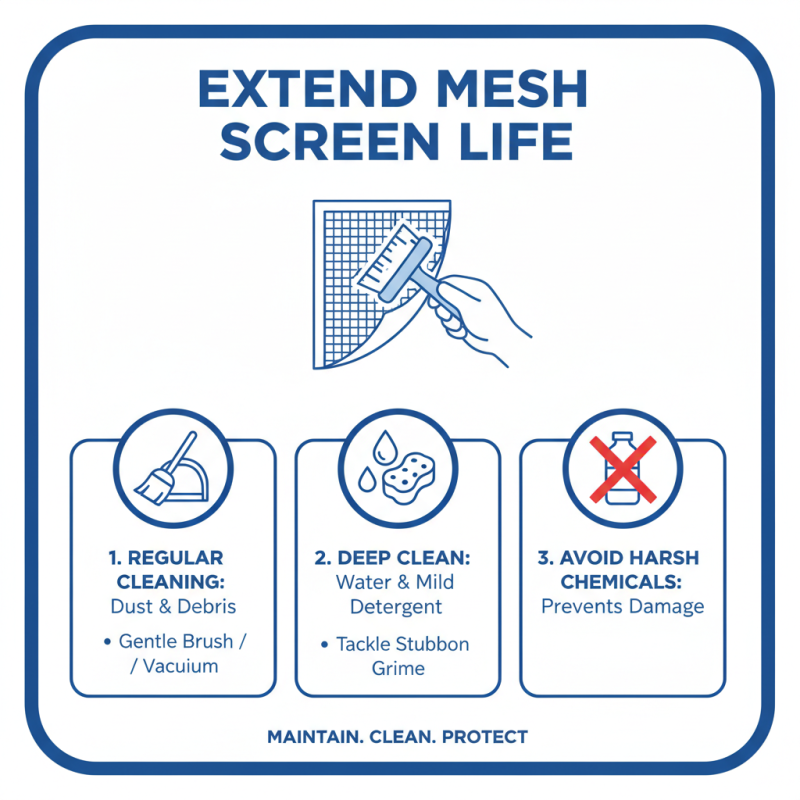
Maintaining fine mesh screens can extend their lifespan significantly. Regular cleaning is essential. Dust, dirt, and debris accumulate quickly. A gentle brush or vacuum can effectively remove buildup. Using water with a mild detergent can help tackle stubborn grime. Just avoid harsh chemicals; they can damage the mesh.
Check for any signs of wear or tear. Small holes can lead to bigger problems. Patching them promptly is a wise choice. Inspect the frames as well. Rust or corrosion in metal parts can compromise the screen's integrity. Depending on the material, applying a protective coating might be necessary.
Store screens properly during the off-season. Stacking them unprotected can lead to scratches or bends. Use a dedicated storage space where they can lie flat. However, not everyone has the luxury of space. In that case, utilize protective wraps to minimize damage. Reflect on your usage habits. You might find adaptations that increase their durability.
 No. 14, Building 2, No. 367 Beijing Road, Chengdu Economic and Technological Development Zone (Longquanyi District)