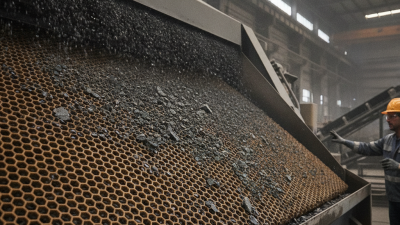
China Top MDI PU Tension Screen Suppliers and Costs?
The demand for Mdi Pu Tension Screen in various industries has surged recently. These screens play a crucial role in processes like filtration and separation. Their efficiency makes them essential in manufacturing and construction sectors.
Adopting advanced technology, top suppliers in China offer a variety of Mdi Pu Tension Screens at competitive costs. These screens provide durability and high performance. However, choosing the right supplier can be challenging. Quality assurance and supplier reliability are paramount.
While many suppliers are promising, not all can be trusted. It is essential to consider both price and product quality. Some suppliers might offer lower costs but compromise on durability. Therefore, extra research is needed to ensure a wise investment. In this landscape, understanding supplier credentials and market dynamics is critical for better decision-making.
China's Leading MDI PU Tension Screen Suppliers Overview
In recent years, China has emerged as a significant player in the manufacturing of MDI PU tension screens. These screens are essential components in various industries, particularly in filtration and separation processes. The demand for high-quality products has increased, pushing manufacturers to innovate continually.
Leading suppliers focus on enhancing the durability and efficiency of their tension screens. Some incorporate advanced materials and technologies to improve performance. However, not all suppliers meet the same quality standards; it's essential for buyers to conduct thorough research. Evaluating certifications and production processes can provide insight into a company’s reliability.
Pricing for MDI PU tension screens can vary widely. Factors influencing costs include material quality, manufacturing techniques, and order quantities. Often, lower prices may signal compromised quality. Understanding the balance between cost and quality is paramount for businesses looking to make an informed decision. It's a landscape marked by diligent scrutiny and ongoing refinement, reflecting a commitment to excellence while addressing existing gaps.
Key Features and Benefits of MDI PU Tension Screens
MDI PU tension screens are gaining popularity in various industries. These screens showcase remarkable durability and flexibility. They are designed to withstand harsh conditions while maintaining efficiency. The unique material provides high resistance to chemicals and abrasion, extending their lifespan significantly. Users appreciate the lightweight nature, making installation and maintenance simpler.
When considering MDI PU tension screens, it's essential to note their ability to optimize productivity. They offer excellent separation performance, ensuring that materials are sorted effectively. This feature can enhance operational workflows. Moreover, the screens are easy to clean, preventing material buildup that could affect performance.
Tips: When selecting a supplier, compare costs and materials. A thorough analysis ensures that you invest wisely. Always inquire about warranty terms; a strong warranty is a reflection of product confidence. Consider the supplier’s reputation in the industry. Reliable suppliers often have proven track records, which can guide your purchasing decisions.
Cost Analysis of MDI PU Tension Screens in China
The cost of MDI PU tension screens in China reflects various factors, including materials, manufacturing processes, and demand. Typically, prices vary based on quality and specifications. Higher-quality screens often lead to increased costs due to advanced technology and durability. The manufacturing process can involve intricate designs. This may also influence the final price.
Understanding the local market dynamics is crucial. Competition among suppliers can drive down prices but may also impact quality. Some manufacturers prioritize cost-efficiency over material integrity, leading to products that might not meet industry standards. Buyers need to evaluate their options carefully. They should also consider long-term performance over initial costs.
Importantly, geographical location matters. Shipping costs can inflate prices for buyers located far from production hubs. Moreover, the volatility of raw material prices can further complicate cost predictions. A thorough market analysis can provide insights into potential cost fluctuations. This approach may help businesses make informed purchasing decisions for MDI PU tension screens.
Market Trends and Demand for MDI PU Tension Screens
The market for MDI PU tension screens is evolving rapidly. Recent data suggests that global demand for these screens is growing, driven by increased industrial activity. The construction and manufacturing sectors are major contributors. According to a market analysis report, the demand for polyurethane products, including tension screens, is expected to rise by 4% annually over the next five years.
Key factors influencing this trend include the rise in global construction projects and a push for more efficient materials. MDI (Methylene Diphenyl Diisocyanate) plays a crucial role in creating high-performance polyurethane products. However, there's a noticeable gap between supply and demand in certain regions. This imbalance raises concerns about sourcing and pricing. Companies often struggle to secure reliable suppliers.
Moreover, environmental regulations are tightening. Manufacturers must adapt to eco-friendly practices while meeting market needs. Investment in research and development is essential. It’s vital for suppliers to explore sustainable alternatives, even if the transition poses initial challenges. Keeping up with market demands requires agility and commitment to innovation.
Market Trends and Demand for MDI PU Tension Screens
Comparative Study of Domestic vs. International Suppliers
When evaluating suppliers for MDI PU tension screens, a comparative study of domestic and international options reveals notable differences. Domestic suppliers often present advantages such as lower shipping costs and faster response times. Their understanding of local market demands enhances their reliability. However, the variation in production quality can be a concern. Some domestic manufacturers may not adhere to stringent quality controls.
On the other hand, international suppliers frequently boast advanced technology and innovative solutions. Their experience in large-scale production might also result in highly durable products. Yet, the drawbacks include higher costs and longer lead times. Customers may face delays due to international shipping processes. Additionally, communication barriers could lead to misunderstandings regarding specifications.
It’s crucial to assess specific needs. Some projects may benefit from the cost-effectiveness of local suppliers. Others may require the advanced capabilities of their international counterparts. An ideal choice often lies not in a one-size-fits-all solution but in an informed evaluation of quality, cost, and reliability. Balancing these factors can be challenging and requires careful consideration.
 No. 14, Building 2, No. 367 Beijing Road, Chengdu Economic and Technological Development Zone (Longquanyi District)