No. 14, Building 2, No. 367 Beijing Road, Chengdu Economic and Technological Development Zone (Longquanyi District)
Choosing the China Best PU Screen Panel Supplier for Global Buyers requires more than comparing factory prices. It requires evidence from real screening conditions. A PU Screen Panel must handle abrasion, moisture, impact, and changing feed sizes. Its performance affects throughput, downtime, product quality, and total operating cost.
Industry reports support this wider view. The International Energy Agency continues to identify minerals and mining as essential to energy-transition supply chains. Grand View Research also reports sustained growth in the global polyurethane market, driven by durability and lightweight applications. These trends create demand for stronger screening components. However, market growth does not prove every supplier can deliver consistent panels. Factory audits, material certificates, sample testing, and documented tolerances still matter.
Dr. T. J. Napier-Munn, a recognized mineral-processing specialist, defines screening as “the process of separating a mixture of particles into two or more products according to size.” That simple statement remains practical. A reputable Chinese supplier should connect panel design with aperture shape, screen-deck tension, feed characteristics, and maintenance access. In a quarry, this may mean checking a 305 mm panel after a wet shift, not only reviewing a catalogue photograph. Small details matter.
There is no perfect specification. A cheaper panel may increase replacement frequency. A harder compound may reduce wear but affect flexibility. Buyers should compare verified service life, not promises alone. This guide examines Chinese manufacturing capability, quality control, export experience, and technical support. It also recognizes an uncomfortable point: supplier claims need independent verification. Reliable decisions begin with measurable evidence.
PU screen panels with 80–95 Shore A hardness offer a practical balance between flexibility and wear resistance. In quarry and aggregate operations, this range helps absorb impact from sharp stone while maintaining accurate separation. ISO 868 defines the Shore A method for measuring elastomer hardness. However, hardness alone cannot predict service life. Feed size, moisture, temperature, and panel tension also matter.
ISO 4649 evaluates rubber and polyurethane abrasion through volume loss under controlled conditions. Lower volume loss usually indicates better wear performance. Grand View Research’s 2024 polyurethane market report projects continued growth in polyurethane demand through 2030, supported by mining and material-handling applications. The report does not guarantee screen performance. Field conditions remain decisive. A panel surviving twelve months in dry limestone may fail much earlier with wet, abrasive iron ore.
Tips: Ask for Shore A test results and ISO 4649 abrasion data before ordering. Check aperture dimensions, panel thickness, and fixing method. During site trials, record feed tonnage, moisture, and wear depth weekly. Replace panels when openings deform, not only when holes appear. In my experience, 90 Shore A often suits mixed aggregate, but this is not universal. Softer polyurethane can reduce impact damage, while harder grades may improve edge stability. Small installation errors still create premature wear.
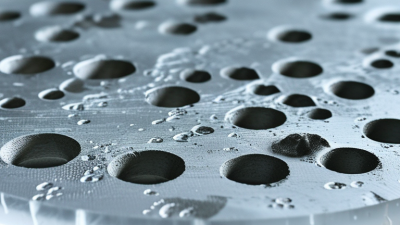
Screening efficiency often depends on choosing the right panel, not simply increasing machine speed. Polyurethane screen panels support accurate separation across apertures from 0.1 to 100 mm. Smaller openings suit fine powders, sand, and mineral fractions. Larger openings handle coarse stone and heavy aggregates. Their elastic surface absorbs impact and can reduce pegging, blinding, and operating noise. Moist feed can still block fine apertures. That limitation matters.
In practical screening work, panel tension, feed rate, and moisture require equal attention. A 0.1 mm aperture may improve cut accuracy, yet it needs controlled feeding and careful cleaning. A 100 mm opening can move coarse material quickly, but poor distribution may leave deck space unused. Polyurethane’s lower weight can simplify panel changes. Its service life depends on abrasion type, temperature, and contact pressure. We should not promise a fixed replacement period.
Reliable selection starts with a sample test using the actual feed material. Measure particle size, moisture, throughput, and separation quality. Ask the supplier for aperture tolerance and material specifications. After operation, inspect blocked openings, edge damage, and uneven wear. Photographs and replacement records help compare real performance. Small adjustments often outperform a major redesign. The best result is not always the finest screen; it is stable throughput with acceptable separation.
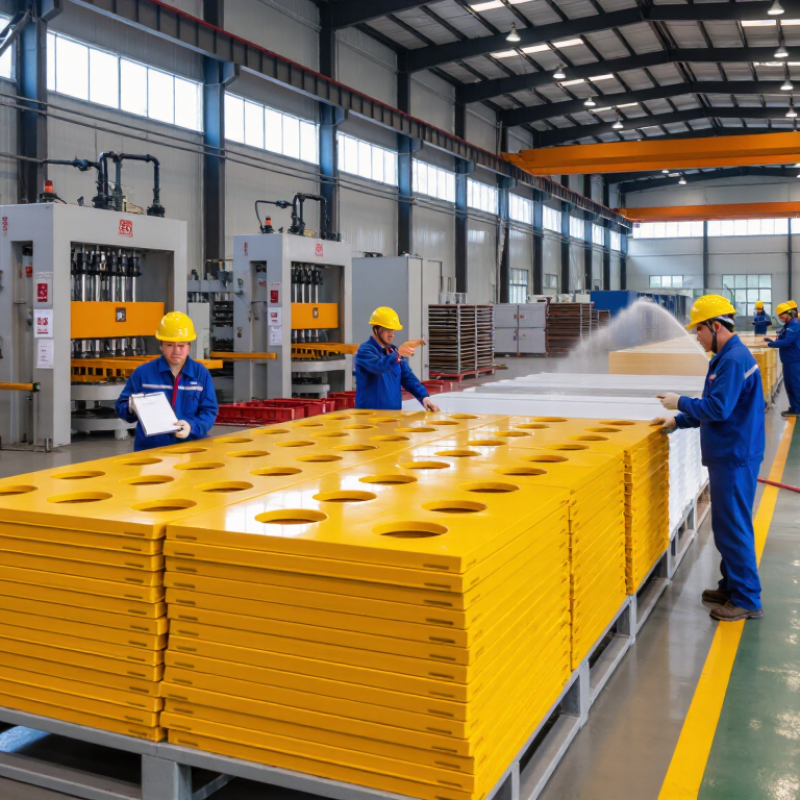
China PU screen manufacturing is moving from simple casting toward controlled, traceable production. According to the ISO Survey 2023, more than 1.26 million ISO 9001 certificates were recorded worldwide. For buyers, this figure shows the importance of documented quality systems. It does not prove every panel performs well. A certificate is not a magic shield.
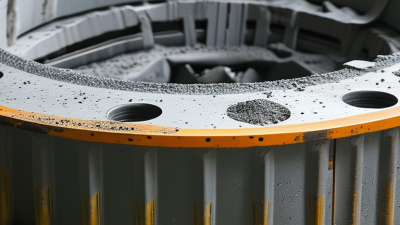
Reliable factories should control polyurethane hardness, curing temperature, mold pressure, and panel dimensions. Each batch needs recorded material data and inspection results. In practical use, a screen panel faces abrasive stone, wet feed, vibration, and changing temperatures. Small molding errors can create uneven apertures or weak edges. Those defects appear quickly on a vibrating screen.
Market research from Grand View Research reports continued growth in global polyurethane demand, supported by mining, construction, and industrial equipment. That growth increases pressure for customized wear solutions. Custom molding should include aperture shape, fixing method, panel thickness, and operating conditions. ISO-based procedures help maintain consistency across repeated orders. Still, production teams must review field feedback honestly. A design that works in one quarry may fail in another. This is where experience matters. Test pieces are often cheaper than assumptions.
China Best PU Screen Panel Supplier for Global Buyers
Comparing PU Panels with Steel: Up to 3× Longer Service Life
Polyurethane screen panels can last up to three times longer than steel panels in abrasive screening duties. This figure appears in technical comparisons reported by Mining Magazine and Minerals Engineering. However, it is not universal. Feed size, moisture, impact force, and panel tension change the result. A dry iron-ore circuit may create different wear than a wet aggregate plant.
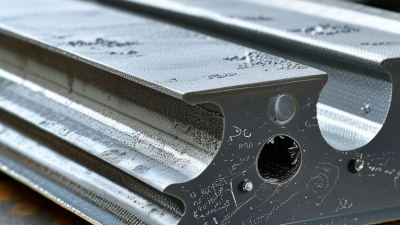
In field operations, PU panels feel quieter under the deck. They also resist corrosion and reduce blinding when the aperture is correctly designed. Steel remains useful for heavy impact zones, especially near the feed point. Yet, PU usually offers better wear resistance across the main screening area. ASTM G65 abrasion testing can support material comparisons, but laboratory results cannot fully predict site performance. That is where many purchasing decisions go wrong.
Tips: Request test data for your exact feed material. Check hardness, aperture shape, operating temperature, and support spacing. Ask for a wear-life estimate based on tonnes processed, not calendar months. A 3× claim sounds attractive, but poor installation can erase it quickly.
General engineering comparison for vibrating screens, trommel screens, and aggregate, mining, recycling, and industrial screening applications
| Comparison Dimension | PU Screen Panels | Steel Screen Panels | Practical Buying Consideration |
|---|---|---|---|
| Typical Service Life | Often 1.5–3 times longer than conventional steel in abrasive, wet, and corrosive screening conditions when correctly selected and installed. | Service life varies widely with material abrasiveness, impact energy, aperture size, and steel grade; frequent replacement may be required in highly abrasive duties. | The “up to 3×” advantage is application-dependent and should be verified through site trials or comparable operating data. |
| Wear Resistance | High Polyurethane resists sliding abrasion and can maintain flexible openings under continuous screening. |
Medium to High Steel performs well under heavy loading, but abrasive particles can progressively thin wires, plates, or punched openings. |
PU is generally preferred for sustained abrasive wear; steel may be preferred where impact is the dominant failure mode. |
| Impact Resistance | Good resilience and elasticity help absorb moderate impact and reduce brittle cracking. Very high point-impact loads may require a hybrid or reinforced design. | Very good resistance to severe point impact and heavy oversize feed, depending on thickness, profile, and steel grade. | Assess feed size, drop height, and material density before selecting the panel material. |
| Noise Level | Typically lower because polyurethane absorbs impact and reduces metal-to-metal contact noise. | Typically louder, especially when dry feed or steel particles strike the panel surface. | PU can support improved working conditions in enclosed plants and urban or noise-sensitive locations. |
| Corrosion Resistance | Excellent resistance to many wet and mildly corrosive screening environments. Chemical compatibility must be checked for oils, solvents, acids, and high temperatures. | Carbon steel can rust in wet or chemically aggressive environments unless protected by coating or made from a corrosion-resistant alloy. | For slurry, wet sand, and mineral-processing applications, review pH, temperature, and chemical exposure. |
| Weight and Handling | Usually lighter than an equivalent heavy-duty steel panel, which can simplify manual handling and reduce installation effort. | Usually heavier at equivalent structural duty, particularly for thick plate or reinforced sections. | Lower panel weight may reduce change-out time and support easier maintenance access. |
| Screening Efficiency | Flexible apertures can reduce pegging and blinding in some damp or sticky materials. Aperture shape and open area remain critical. | Rigid apertures provide stable sizing, but blinding can occur when wet, elongated, or near-size particles become trapped. | Compare open area, aperture geometry, material moisture, and required product size—not material alone. |
| Material Temperature | Best suited to the supplier’s specified operating temperature range. Elevated temperatures can reduce polyurethane performance. | Generally suitable for higher-temperature materials, subject to steel grade, heat treatment, and structural design. | Confirm continuous and peak feed temperatures before choosing PU for hot-process applications. |
| Dimensional Stability | Good when correctly supported and tensioned; excessive heat, incorrect fastening, or unsupported spans can cause deformation. | High rigidity and dimensional stability under temperature and load, provided the panel is adequately supported. | Correct support spacing, fastening method, and panel tension are essential for both materials. |
| Maintenance Frequency | Often lower because of reduced wear and corrosion; routine inspection is still necessary. | May require more frequent inspection for thinning, broken wires, corrosion, loose fasteners, or deformed openings. | Measure total maintenance cost, including labor, downtime, replacement parts, and disposal. |
| Common Applications | Wet screening, sand and gravel, crushed stone, coal, iron ore, mineral concentrates, recycling, and fine-to-medium aggregate classification. | Heavy-duty scalping, large-rock sizing, high-impact feed, hot materials, and applications requiring high rigidity. | The optimal choice depends on feed characteristics, screen design, operating conditions, and total cost of ownership. |
| Cost Consideration | May have a higher initial purchase price, but longer wear life and reduced downtime can lower cost per operating hour. | Often competitive in initial price and can be economical for high-impact or high-temperature applications. | Use cost per screened tonne or cost per operating hour rather than purchase price alone. |
Choosing a PU screen panel supplier requires more than comparing unit prices. Production capacity should match your monthly demand, including replacement panels and urgent orders. Ask for machine lists, mold availability, shift schedules, and recent output records. A supplier with strong experience should explain how it controls thickness, aperture size, and panel flatness. Practical tolerance data matters. For many screening applications, a stated tolerance of ±0.3 mm is more useful than a vague quality promise.
Testing must reflect actual site conditions. Request hardness, tensile strength, abrasion, and temperature-resistance results for each material grade. Check whether samples came from regular production, not a specially prepared batch. I have seen attractive samples fail after several weeks because the bonding process was inconsistent. That detail is easy to miss. Ask for inspection photos, test dates, batch numbers, and corrective-action records. A reliable supplier should accept reasonable third-party inspections.
Export readiness also affects delivery performance. Confirm pallet strength, moisture protection, labeling, spare-part packing, and document accuracy before placing an order. The supplier should understand commercial invoices, packing lists, certificates of origin, and destination-specific marking requirements. Communication quality is another test. If technical questions receive unclear answers, later claims may become difficult. No supplier is perfect. A careful buyer should record risks, review them with engineering staff, and allow time for corrective samples before full production.