China Best Iron Ore Screening Equipment?
Choosing the best equipment for iron ore is not a simple brand comparison. Iron Ore Screening performance depends on the feed, the required product size, and the conditions around the plant. A screen that works well with dry, evenly sized ore may struggle when the feed is damp or contains more fines. That matters. Capacity figures alone rarely tell the full story.
Operators and engineers should consider screen area, deck arrangement, aperture size, vibration settings, and the type of screen media. The weight and abrasiveness of the ore also affect wear and maintenance needs. Small details count. A poorly matched opening can cause blinding, misplaced material, or unnecessary recirculation. These issues can reduce efficiency, even when the machine appears powerful on paper.
A practical assessment starts with representative feed data and a clear target for throughput and separation. Site layout, access for maintenance, water availability, and existing conveyors can narrow the options. Still, a tidy specification sheet can hide awkward realities. Conditions change, and early assumptions may prove wrong. It is worth checking test results, operating references, spare-parts support, and service response rather than relying on claims alone. There is no universal best screen for every mine. This guide compares the main equipment types and selection factors, helping readers judge which solution fits their ore, process, and operating priorities.
What Iron Ore Screening Equipment Does
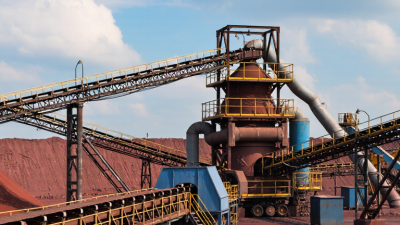
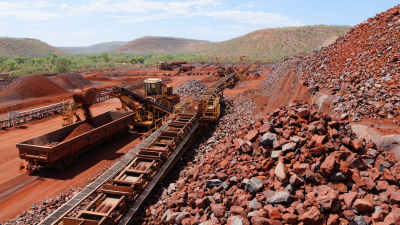
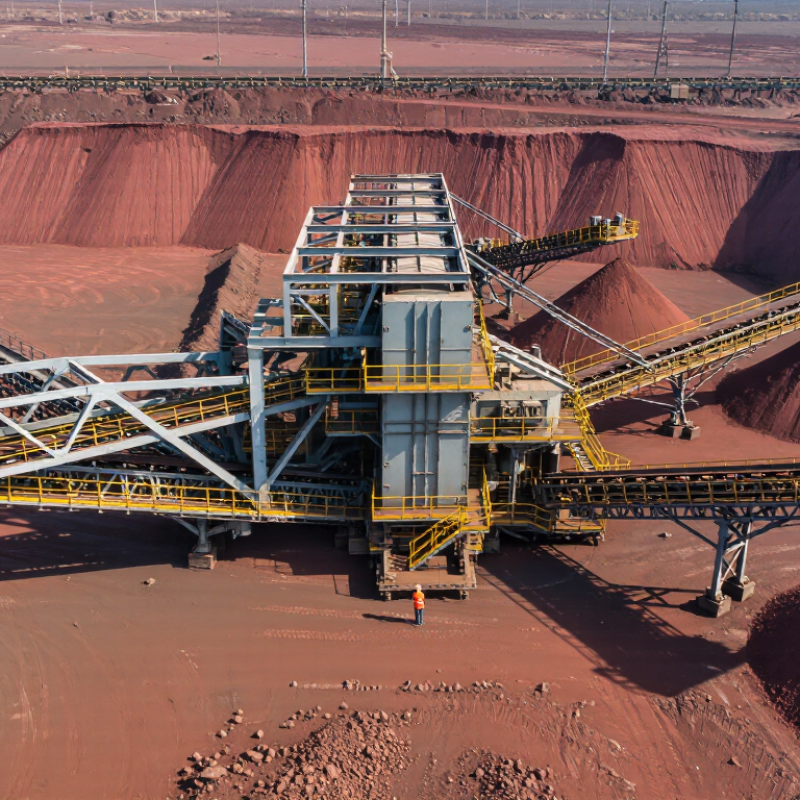
Iron ore screening equipment separates mined material into size ranges before crushing, washing, or stockpiling. A vibrating screen uses a driven deck and mesh panels. Larger pieces travel onward, while smaller particles pass through. This protects downstream crushers from excess feed and helps mills receive a more consistent size.
In wet circuits, spray bars loosen sticky fines, though too much water can hide blinding rather than solve it. Dry screening can save water, but damp ore may clog apertures quickly. Feed rate, deck angle, vibration, and opening size all affect separation.
Equipment choice depends on ore moisture, target sizing, throughput, and rock abrasiveness. Multi-deck screens can make several product sizes in one pass. Scalping screens remove oversize early.
In some plants, trommel screens suit coarse, rotating separation, but may be less precise for tight size cuts. A screen is not a standalone fix. Poor feed distribution or worn panels can quietly reduce efficiency. Not always. That detail is easy to miss.
Tips: Check feed distribution and inspect panels for tears or blocked openings each shift. Compare actual product sizes with the target, not just rated capacity. Keep some operating margin; ore conditions change, and a neat spreadsheet rarely captures every wet-season surprise.
How Screening Fits into Iron Ore Processing
In iron ore processing, screening sorts crushed material by size before it moves to the next stage. It helps direct suitably sized particles to beneficiation and returns oversize material for further crushing. That matters. Poor size control can overload downstream equipment or send recoverable ore into the wrong stream.
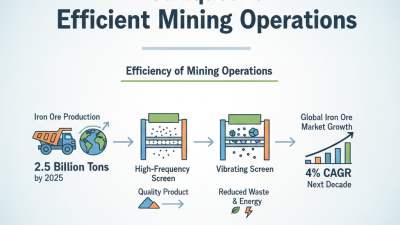
The scale is substantial: the USGS Mineral Commodity Summaries 2024 estimated global iron ore mine production at about 2.5 billion metric tons in 2023. Screens therefore need to handle high, changing feed rates while maintaining the required separation. In practice, ore is rarely uniform. Wet fines and sticky clay can block apertures, while uneven feed can reduce effective screening area. A neat flow sheet can still mislead.
Screen selection depends on the ore’s size distribution, moisture, clay content, and target cut size—not just nominal capacity. The World Steel Association reported 1,892.2 million metric tons of global crude steel production in 2023, underscoring the scale of iron ore demand. These figures describe the industry, not a guaranteed screen performance. Engineers still need representative sampling and operating data. It is easy to overvalue a published capacity figure; actual ore conditions deserve closer attention.
Main Types of Iron Ore Screening Equipment in China
China Best Iron Ore Screening Equipment?
Main Types of Iron Ore Screening Equipment in China
Iron ore screening plants in China handle ores with different moisture levels, particle sizes, and clay content. No single screen suits every mine. The right choice depends on feed conditions, required product size, and available space. Small details matter.
Vibrating screens are widely used for separating crushed ore into several size fractions. Linear-deck models suit steady, high-volume flows, while circular-motion screens can help move coarse material across the deck. Grizzly screens remove large rocks before primary crushing, protecting downstream equipment from sudden overloads. They are simple, but bar spacing needs regular inspection.
Trommel screens use a rotating perforated drum and can be useful when feed contains sticky fines. High-frequency screens target finer separations, often in concentrate preparation or closed-circuit operations. Wet screening can reduce dust and help with fine particles, though it requires water management and careful maintenance. It gets messy. In practice, operators should check screen media, vibration settings, and wear patterns during routine inspections. A layout that works well for dry, hard ore may perform poorly when feed becomes wet or clay-rich, so trial data and site conditions deserve more weight than a catalogue specification.
Key Factors for Comparing Screening Equipment
Comparing iron ore screening equipment starts with the ore, not the catalogue. Dry, evenly sized feed behaves differently from damp fines mixed with coarse lumps. Record feed size distribution, moisture, clay content, and target product size before comparing machines. Small details matter. Request test data using representative ore, not just nominal capacity. Check screening efficiency and oversize carryover at the required throughput.
Then compare deck area, aperture size, vibration settings, and screen media suited to the ore’s abrasiveness. Inspect access for maintenance, media replacement time, vibration monitoring, and dust control. Wear is real. Ask for expected service intervals and compare energy use alongside purchase cost. Where possible, observe a unit processing similar material under steady conditions. One caution: short trials may not reveal seasonal moisture changes or gradual wear. A high stated capacity can also hide reduced separation quality. These assumptions deserve review before equipment is selected.
How to Select Equipment for an Iron Ore Operation
China Best Iron Ore Screening Equipment?
How to Select Equipment for an Iron Ore Operation
There is no single best screen for every iron ore operation. Start with the feed: record its size distribution, moisture, clay content, and hourly tonnage. The USGS Mineral Commodity Summaries 2024 estimated global usable iron ore production at 2.5 billion metric tons in 2023, highlighting the scale of material that processing plants must handle. At site level, though, a small change in ore moisture can matter more than a global production figure.
Match screen area and aperture to the required cut size and plant capacity. Wet, sticky fines may blind small openings, while coarse, abrasive lumps can accelerate media wear. Check deck configuration, vibration settings, and access for cleaning and replacement. Small details matter. Ask suppliers for performance data using representative site samples, not just dry laboratory material. A neat spreadsheet can still mislead.
Before final selection, compare expected throughput, undersize recovery, and maintenance needs under realistic operating conditions. Pilot testing can reveal carryover or blinding that a specification sheet misses. Keep some margin for feed variation, but avoid oversizing without evidence; excess capacity can increase cost and complicate control. Review the results with operators and maintenance staff. They know where buildup forms, which parts wear first, and what is practical during a short shutdown.
 No. 14, Building 2, No. 367 Beijing Road, Chengdu Economic and Technological Development Zone (Longquanyi District)