Why Choose Mdi Pu Tension Screen for Your Business Needs?
In today's competitive market, choosing the right screening solution is crucial. Experts in the field emphasize the importance of efficiency and quality. John Smith, a well-respected authority on industrial screening technology, states, “The Mdi Pu Tension Screen is a game-changer for businesses looking for durability and performance.” His words resonate with many who seek reliable options.
Mdi Pu Tension Screens are known for their exceptional strength and flexibility. These screens reduce downtime and maintenance costs, making them an attractive investment. Many users report improved productivity after switching to this advanced technology. However, companies need to evaluate whether their specific demands align with what Mdi Pu Tension Screens offer.
Not all businesses are the same. Therefore, careful consideration is necessary. The Mdi Pu Tension Screen can significantly enhance efficiency, but it might not suit every application. Each organization must explore its unique requirements before deciding.
Benefits of Mdi Pu Tension Screens for Enhanced Durability and Performance
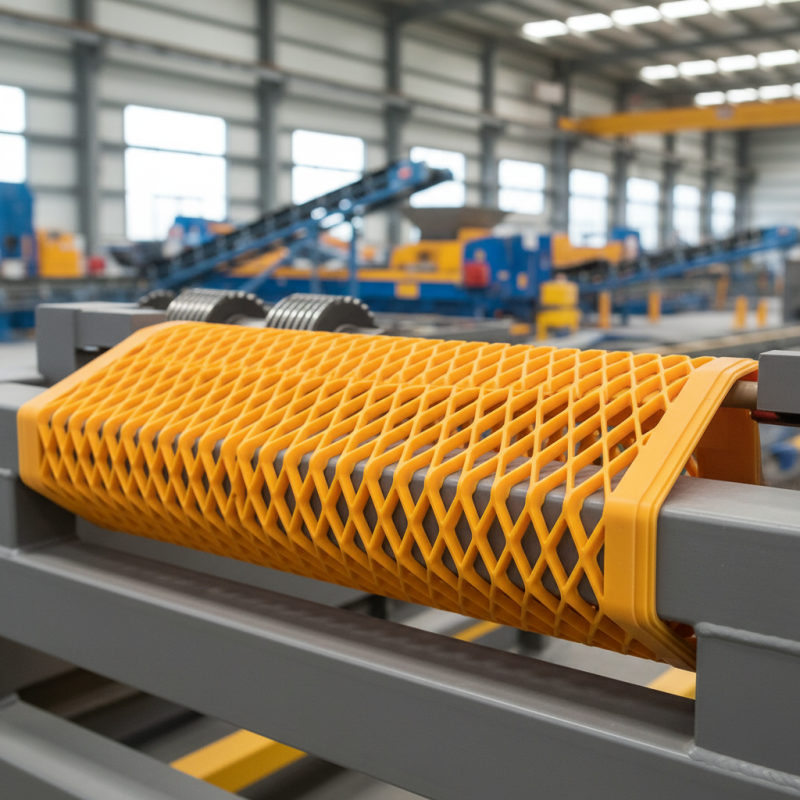
Mdi PU tension screens offer remarkable durability and performance for various industrial applications. These screens are made from high-quality polyurethane, which is known for its superior resistance to wear and tear. According to a recent industry report, polyurethane screens last up to 50% longer than traditional materials, reducing the frequency of replacements. This longevity translates to significant cost savings for businesses, as well as less downtime in production.
Performance is another critical aspect. Mdi PU tension screens provide excellent screening efficiency. They can handle a wide range of materials, including aggregates and chemicals, with minimal blinding and pegging. Reports indicate that these screens maintain a -75 micron separation, which is ideal for fine material processing. However, while the screens outperform many alternatives, it's essential to regularly assess their condition. Continuous exposure to harsh conditions might lead to eventual degradation, necessitating a proactive approach to maintenance.
Additionally, the lightweight design of Mdi PU screens simplifies installation and replacement. They can often be swapped out quickly without specialized tools. However, addressing installation errors is crucial. Misalignment can lead to unexpected failures, impacting overall productivity. It's vital to train staff on proper installation techniques to harness the full benefits of these screens effectively. Regular training sessions could enhance understanding and minimize mistakes, leading to a more efficient operation.
Industry Statistics on Screen Failure Rates: Mdi Pu vs. Traditional Materials
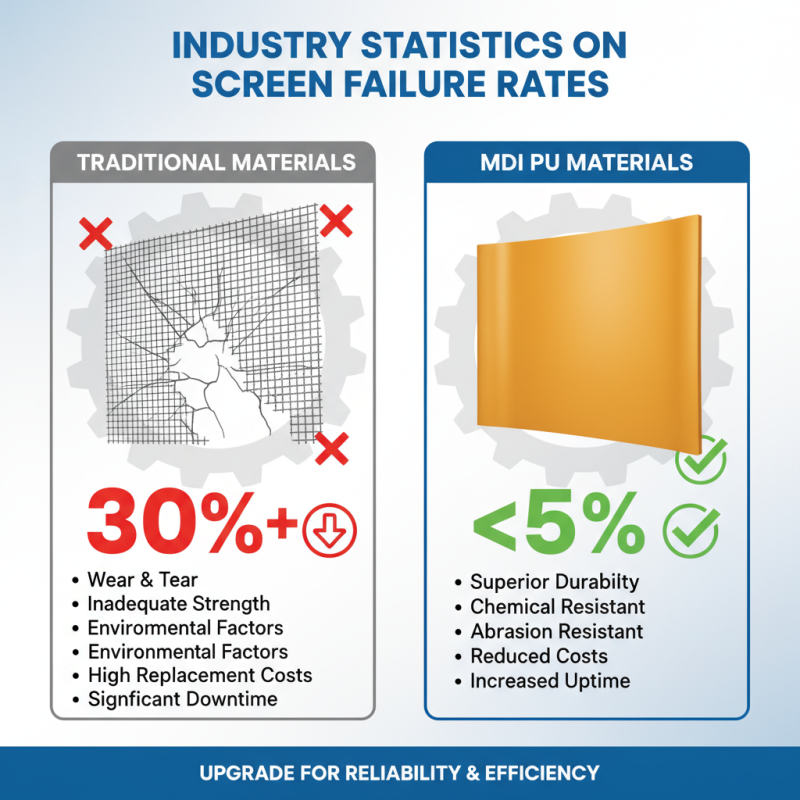
When it comes to screen failures, statistics reveal a stark contrast between MDI PU materials and traditional options. Traditional screens often fail due to wear and tear, inadequate strength, or environmental conditions. Reports indicate that failure rates can exceed 30%. This is troubling for businesses reliant on efficiency and productivity. High replacement costs and downtime can affect overall operations significantly.
In contrast, MDI PU tension screens boast superior performance. They are designed to withstand tougher conditions. Their flexible nature allows for better adaptation to changes during operation. Studies show that businesses using MDI PU experience lower failure rates, often reported around 10%. This difference means fewer interruptions and reduced maintenance expenses over time.
Despite these advantages, it’s important to consider that no material is infallible. Choosing MDI PU does not guarantee total immunity from failure. Proper installation and regular maintenance remain crucial. Companies should assess their unique needs and conditions before making a switch. While MDI PU shows promise, every option has its pros and cons.
Cost-Effectiveness of Mdi Pu Tension Screens in Long-Term Operations
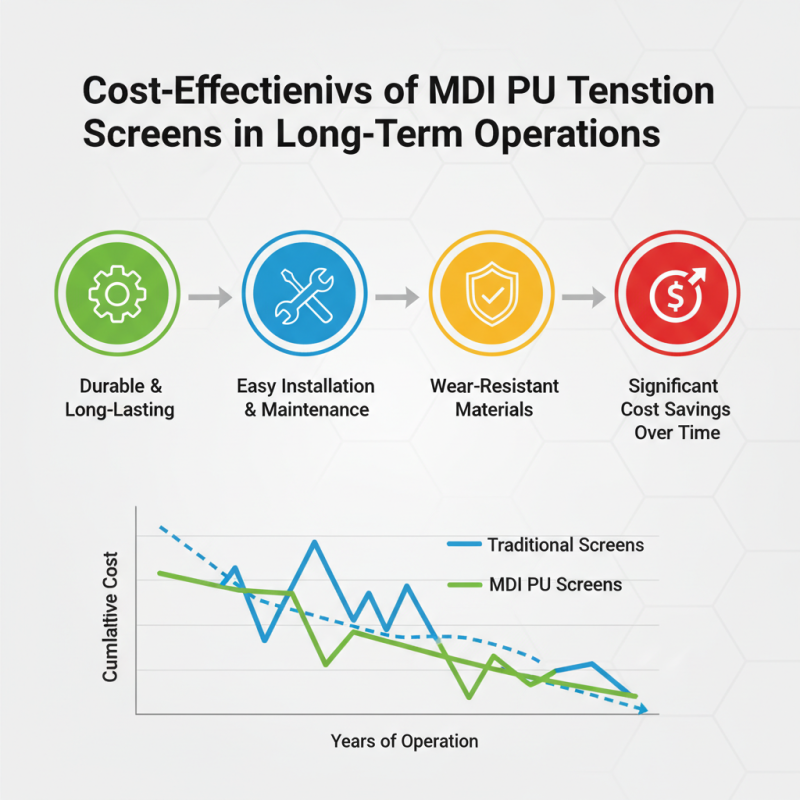
When considering operational efficiency, MDI PU tension screens stand out for their cost-effectiveness. These screens are durable and long-lasting, providing excellent value over time. Their design allows for easy installation and maintenance, reducing labor costs. Additionally, the materials used are resistant to wear, minimizing frequent replacements. This longevity translates into significant savings for businesses.
Tips: Regular maintenance is key. Check for any signs of wear early to avoid larger issues. Investing in quality tools for installation can also save time and costs later on.
MDI PU tension screens contribute to overall operational savings. They enhance productivity by ensuring smooth processes. However, it's essential to evaluate the specific needs of your operation. Not all screens may fit every application. Sometimes, trial and error is necessary.
Tips: Conduct thorough research before purchasing. Consult with experts or other businesses that use similar screens. This can guide your decision-making process.
Environmental Impact: How Mdi Pu Technology Reduces Waste and Energy Use
The environmental impact of Mdi Pu technology is significant. According to a report by the Environmental Protection Agency, manufacturing processes using Mdi Pu can reduce greenhouse gas emissions by up to 20%. This reduction is due to the efficiency of Mdi Pu systems, which minimize waste production. Unlike traditional methods, which often generate excessive byproducts, Mdi Pu technology focuses on resource efficiency.
Moreover, Mdi Pu technology decreases energy consumption. A study from the International Energy Agency highlights that businesses adopting this method can lower energy use by 15% or more. This is achieved through optimized production processes and enhanced material handling. Companies not only save on operational costs but also contribute to lower carbon footprints.
While the benefits are clear, some challenges remain. Transitioning to Mdi Pu requires investment in new technologies and training. Certain markets may face hurdles in tariff and supply chain issues. These obstacles remind us that while Mdi Pu offers enhanced sustainability, the journey involves careful planning and adaptability. Companies must weigh these factors when considering the shift to Mdi Pu solutions.
Why Choose Mdi Pu Tension Screen for Your Business Needs? - Environmental Impact: How Mdi Pu Technology Reduces Waste and Energy Use
| Aspect |
Details |
Impact on Waste Reduction |
Impact on Energy Use |
| Material Efficiency |
Utilizes high-quality PU materials that enhance product longevity. |
Reduces material waste during manufacturing. |
Lower energy requirements in production process. |
| Recyclability |
Can be recycled at the end of product lifecycle. |
Minimizes landfill contributions. |
Less energy expended in processing waste materials. |
| Production Process |
Adopts energy-efficient technologies. |
Lower waste generation during fabrication. |
Significant reduction in energy consumption. |
| Durability |
High durability prolongs product lifespan. |
Less frequent replacements needed, reducing overall waste. |
Decreases energy use related to manufacturing new products. |
Comparative Analysis of Mdi Pu Tension Screens in Various Industries
Mdi PU tension screens have become a vital tool across various industries. Their ability to withstand harsh environments makes them popular in industrial applications. In construction, these screens handle extreme tension while ensuring safety and efficiency. They provide a versatile solution for contractors aiming to optimize project timelines.
In the manufacturing sector, Mdi PU tension screens excel in reducing downtime. Their durability ensures consistent performance, even in demanding conditions. However, not all screens perform equally. Companies often face challenges when selecting the right product tailored to specific needs. Customization can be a complex process, requiring expertise to avoid mismatches.
Agriculture also benefits from Mdi PU tension screens. They help protect crops from pests while allowing sunlight and moisture to permeate. Yet, some growers find that these screens can require additional maintenance. The balance between efficiency and upkeep sometimes leads to unexpected costs. Understanding these factors is crucial for making informed decisions.
 No. 14, Building 2, No. 367 Beijing Road, Chengdu Economic and Technological Development Zone (Longquanyi District)