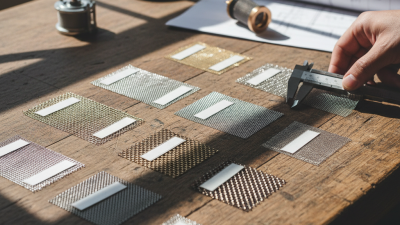
How to Choose the Right Fine Mesh Metals for Your Project?
In the world of engineering and design, selecting the right materials is crucial. Fine Mesh Metals are particularly important for precise applications. Expert metallurgist Dr. Emily Hart states, "Choosing the correct fine mesh can elevate project performance significantly." This highlights the importance of informed decision-making in the selection process.
Understanding the various types of Fine Mesh Metals is essential. Each type has unique properties that suit different projects. The mesh size, material, and application requirements must be considered carefully. For example, finer meshes can filter smaller particles, while coarser meshes have different strengths and uses.
Making a choice may not always be straightforward. One must weigh cost against performance. There are times when a less expensive option might not deliver the expected results. In those cases, it's worth considering the long-term benefits of quality Fine Mesh Metals over initial savings. Such reflections can guide better decisions in any project.
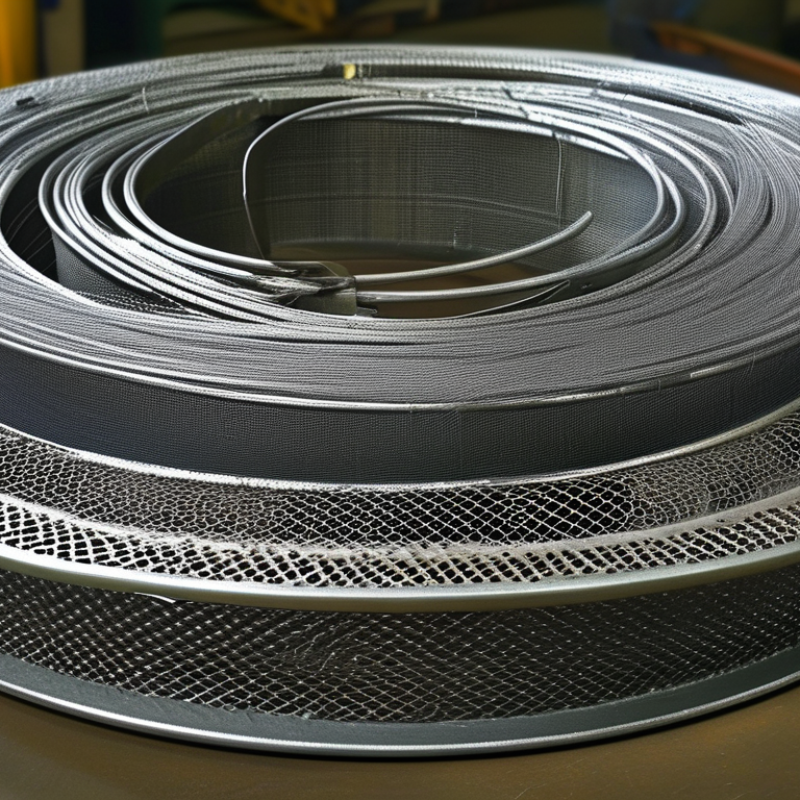
Understanding Fine Mesh Metals and Their Applications
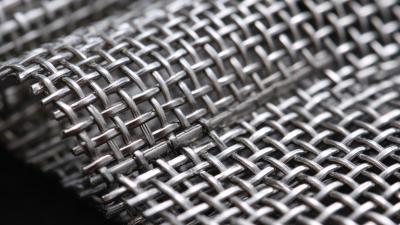
Fine mesh metals are essential in various industries. They enhance filtration, protect delicate components, and provide structural support. Understanding their properties helps in selecting the right type for your project. Different metals, including stainless steel, brass, and aluminum, serve specific functions. Each material offers unique strength, corrosion resistance, and flexibility.
When choosing fine mesh metals, consider your application carefully. The right choice can improve efficiency. For instance, stainless steel mesh is excellent for high-temperature environments. It withstands chemical exposure and resists rust. Meanwhile, aluminum mesh is lightweight, making it ideal for portable products. Assess the demands of your project before deciding.
Tips: Always analyze the environment your mesh will face. Factors like moisture and temperature can lead to failures. Test samples whenever possible. This way, you can gauge strength and durability. Also, think about maintenance and cleaning requirements. A poorly maintained mesh can fail quickly. Balancing these aspects is crucial for long-lasting results.
Identifying the Key Factors for Material Selection
When selecting fine mesh metals for a project, the key factors revolve around material properties and functionality. For instance, corrosion resistance is crucial in environments with moisture or chemicals. According to a report by the International Stainless Steel Forum (ISSF), stainless steel mesh has a corrosion resistance of up to 80% compared to standard carbon steel. This makes it a preferred choice in harsh settings.
Another important aspect is the mesh size, which directly affects strength and filtration capability. A finer mesh can filter smaller particles but may have reduced flow rates. Research from the Powder Metallurgy Association highlights that a 200-mesh size can catch particles as small as 74 microns. It’s essential to balance particle size with required throughput.
Weight and strength also play significant roles. Lighter materials may seem beneficial for ease of handling, but they can compromise durability. The American Institute of Steel Construction reports that high-strength alloys can provide a weight reduction while maintaining resistive properties. Choosing the right material means weighing these factors with precision, reflecting the project's specific demands and intended use.
How to Choose the Right Fine Mesh Metals for Your Project?
| Material |
Mesh Size (Microns) |
Tensile Strength (MPa) |
Corrosion Resistance |
Applications |
| Stainless Steel |
100 |
550 |
Excellent |
Food processing, Chemical industry |
| Aluminum |
250 |
310 |
Good |
Screening, Filtration |
| Copper |
50 |
210 |
Moderate |
Electrical applications, Decorative elements |
| Nickel Alloys |
125 |
600 |
Excellent |
Aerospace, Marine applications |
| Titanium |
500 |
900 |
Excellent |
Medical devices, Aerospace |
Comparing Different Types of Fine Mesh Metals
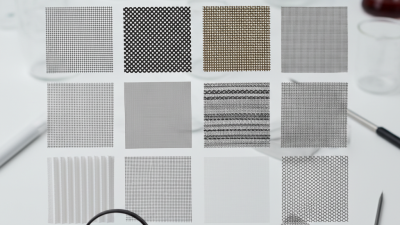
When selecting fine mesh metals, understanding the differences between types is essential. Stainless steel, for example, provides excellent corrosion resistance. It is often used in food processing and pharmaceutical applications due to its hygienic properties. Aluminum mesh, on the other hand, is lightweight and offers good thermal conductivity. This makes it ideal for applications in HVAC systems and light-duty filters.
Consider the mesh size as well. A finer mesh, with openings around 0.5 mm, can filter out smaller particles effectively. Industry reports indicate that mesh with a 0.25 mm opening can remove up to 95% of contaminants in liquids. Yet, finer meshes can lead to reduced airflow. This presents a challenge in some ventilation systems. Understanding the balance between filtration efficiency and airflow is critical.
Another aspect to consider is the intended environment. Coastal areas, for instance, expose metals to saltwater corrosion. Reports suggest that stainless steels with higher chromium content perform better in these conditions. However, they may be costlier. Evaluating both the financial and performance aspects allows for optimal choices in materials.
Comparison of Different Types of Fine Mesh Metals
Assessing Durability and Performance Specifications
When assessing durability and performance specifications for fine mesh metals, consider the specific environment in which the material will be used. Harsh conditions, such as high humidity or extreme temperatures, can significantly impact durability. Understanding the material's resistance to corrosion and wear is essential. For instance, stainless steel may outperform aluminum in moisture-rich environments. However, aluminum may be suitable for lightweight applications where corrosion is less of a concern.
Performance specifications can vary widely among different types of fine mesh metals. Wire diameter and mesh count are critical factors. A finer mesh can offer better filtration but may sacrifice durability. On the other hand, a coarser mesh can handle more significant stress but may allow unwanted particles to pass through. Assess your project’s requirements carefully. You may need to compromise between filtration efficiency and structural integrity. Don't ignore manufacturer data; it can provide insights but should be verified through your testing. Always be ready to iterate on your choices, as the right selection often takes time and experimentation.
Best Practices for Sourcing and Testing Mesh Materials
When sourcing fine mesh metals for your project, quality is key. Begin with identifying the specific type of material that suits your needs. Stainless steel and aluminum are popular choices due to their durability and resistance to corrosion. However, testing is crucial. Ensure that you acquire samples before making any commitments. This practice allows you to evaluate various mesh sizes and patterns effectively.
Performing rigorous tests on mesh materials is essential. Check the opening size and the overall strength. A mesh that appears perfect may not meet your project's demands. Run stress tests to gauge its performance under load. Additionally, consider the mesh's end use. For example, in filtration, a mesh with smaller openings may clog more easily. Engaging with suppliers who provide clear specifications and certifications is wise. Look for those with a solid reputation in the industry.
Don't hesitate to refine your choices based on initial tests. Sometimes, the first selection might not perform as expected. Documenting your findings helps in making informed decisions. Remember that finding the right material can take time and may require several iterations. Embrace the learning process as part of your project development.
 No. 14, Building 2, No. 367 Beijing Road, Chengdu Economic and Technological Development Zone (Longquanyi District)