How to Choose the Right Fine Mesh Screen for Your Home Needs
When it comes to selecting a fine mesh screen for your home, the choices can be overwhelming. Whether you’re looking to enhance your indoor comfort, protect your living spaces from pesky insects, or improve air circulation, understanding the different options available is crucial. A fine mesh screen serves as a versatile solution, seamlessly blending functionality with aesthetic appeal. It's not just about keeping bugs out; the right fine mesh screen can significantly contribute to your home's ventilation and natural light filtration.
In evaluating the appropriate fine mesh screen for your specific needs, several factors come into play. The material, mesh size, and installation type can greatly influence efficiency and durability. Moreover, considering your home’s unique layout and environment will ensure that you choose a product that complements and elevates your living space. By taking the time to explore these aspects, you can make an informed decision that aligns with your lifestyle and enhances your household's comfort and safety. This guide will delve into the essential considerations and tips for selecting the perfect fine mesh screen for your home.
Factors to Consider When Choosing Fine Mesh Screens for Home Use
When choosing fine mesh screens for home use, several key factors should be taken into consideration to ensure that you select the most suitable option for your needs.
First, assess the purpose of the screen. For instance, if you need to keep insects out while allowing air to flow through, you might prefer a finer mesh material that provides better filtration.
Alternatively, if the primary aim is to provide a physical barrier for pets or children, a stronger, more durable mesh would be preferred.
Another critical factor is the size and type of the openings in the mesh. Fine mesh screens come in varying hole sizes, which can affect both ventilation and visibility.
Smaller openings are effective in blocking tiny insects, but may also limit airflow. It’s essential to find a balance based on where the screen will be installed—whether in windows, doors, or outdoor spaces.
Additionally, consider the material of the mesh: options like fiberglass, aluminum, or nylon each offer distinct advantages in terms of durability, maintenance, and aesthetic appeal.
Overall, by evaluating these factors, you can make an informed decision that meets your specific home requirements.
Understanding Different Mesh Sizes and Their Applications
When selecting the right fine mesh screen for your home, understanding different mesh sizes and their applications is crucial. Mesh size is typically measured by the number of openings per linear inch, which significantly influences the screen's functionality. For example, a screen with a mesh size of 20 x 20 is ideal for keeping out larger insects while allowing ample airflow, making it suitable for window screens in warmer climates. Conversely, a finer mesh size, such as 50 x 50, can be used for applications requiring higher filtration, such as in certain garden settings or for keeping out pollen and smaller debris.
According to a report by the National Institute of Standards and Technology, appropriate selection of mesh size can contribute significantly to environmental efficiency and indoor air quality. For instance, fine mesh screens can filter out up to 98% of airborne allergens, which is particularly important for households with allergy sufferers. In outdoor scenarios, the choice of mesh size can also impact pest control; coarser mesh screens are often effective for larger insects, while finer screens cater to smaller pests, thus creating a more comfortable living environment both indoors and outdoors. Understanding these distinctions not only helps homeowners make informed choices but can also enhance overall quality of life through effective screening solutions.
How to Choose the Right Fine Mesh Screen for Your Home Needs
This chart illustrates the common applications of different mesh sizes and their respective filtering capabilities. Understanding these metrics can help you choose the right fine mesh screen for your needs.
Material Types for Fine Mesh Screens: Pros and Cons
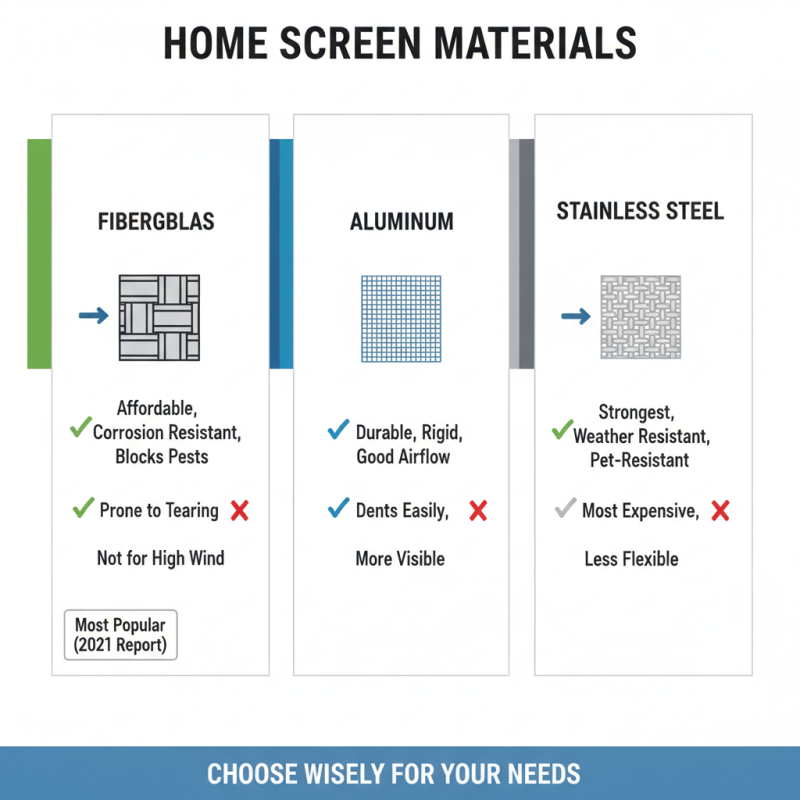
When selecting a fine mesh screen for home applications, understanding the various material types and their respective advantages and disadvantages is crucial. Common materials include fiberglass, aluminum, and stainless steel, each presenting unique properties. According to a 2021 industry report, fiberglass screens are the most popular choice among homeowners due to their corrosion resistance and affordability. They can efficiently block pests while allowing air flow, but they can be prone to tearing and aren’t ideal for high-wind areas.
On the other hand, aluminum screens offer enhanced durability. The same industry report notes that aluminum can withstand harsh weather conditions, making it suitable for outdoor use. However, while these screens provide strength, they can be more expensive than fiberglass options and may require additional maintenance to prevent rusting. Stainless steel screens are renowned for their longevity, especially in coastal regions where saltwater can cause corrosion. Despite their higher upfront cost, these screens are a worthwhile investment for individuals looking for robust protection against both pests and environmental elements. However, their heavier nature can make installation a challenge compared to lighter materials.
Best Practices for Installing Fine Mesh Screens in Your Home
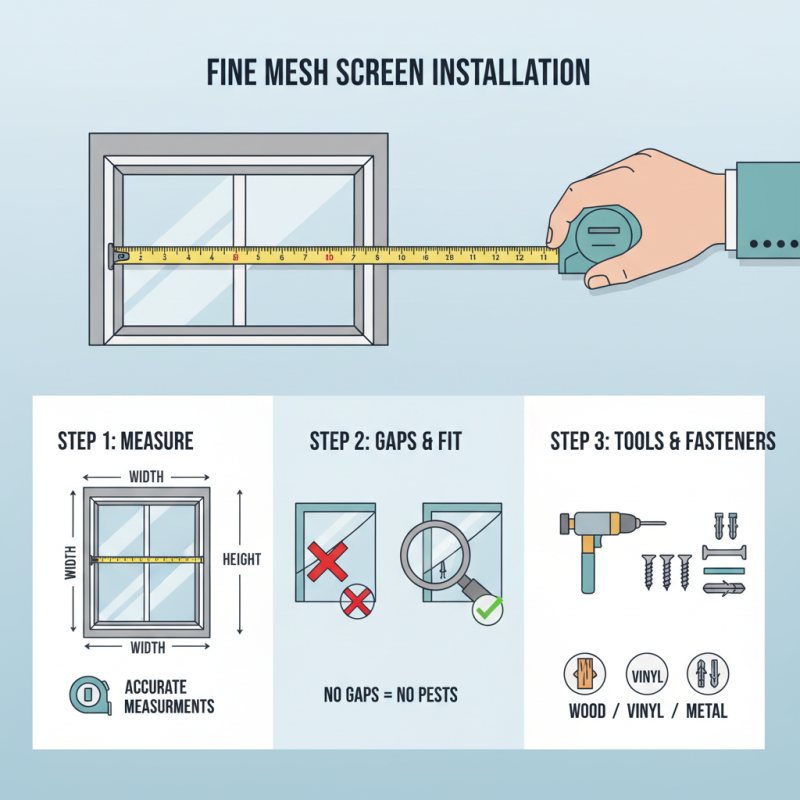
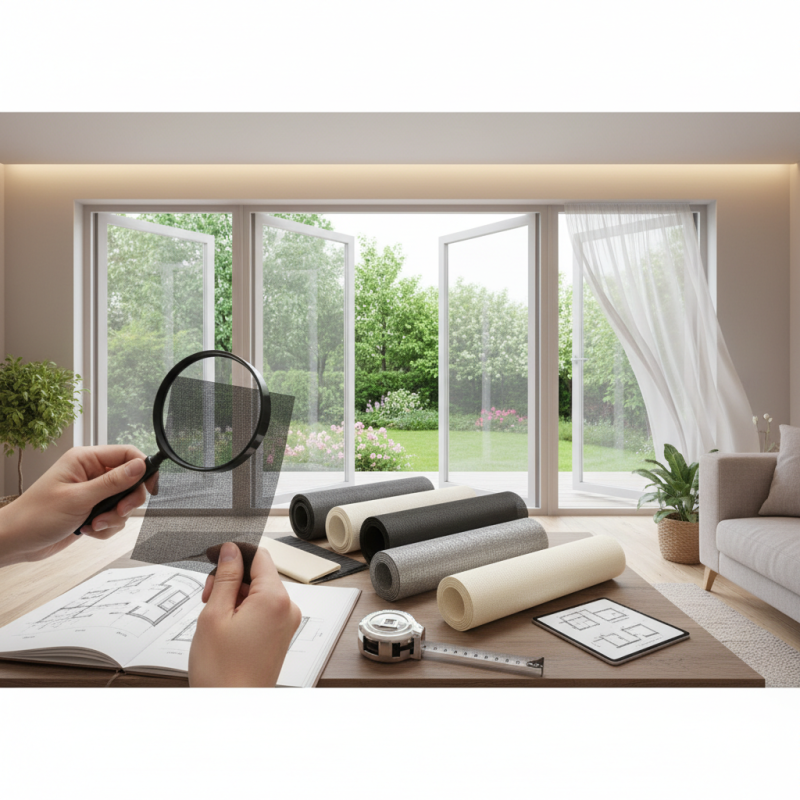
When installing fine mesh screens in your home, the first step is to accurately measure the dimensions of the windows or doors where the screens will be placed. It is crucial to ensure that the measurements are precise, as even a slight discrepancy can lead to gaps where pests may enter. Utilize a reliable measuring tape and assess both the width and height to guarantee a snug fit. Additionally, consider the types of fasteners and tools required for the installation based on your frame material—whether it’s wood, vinyl, or metal.
Once you have your measurements and materials ready, preparation is key. Clean the frame area thoroughly to remove any dirt or debris that may hinder adhesion or affect the screen’s performance. If using a frame, it can be helpful to lay the screen flat and secure it using staples or adhesive, ensuring the mesh is taut to prevent sagging. For window screens, employing spline— a type of flexible material that keeps the mesh secure in the frame— can enhance durability. Once installed, check for stability and make any necessary adjustments. Regular maintenance, such as cleaning the screens and inspecting for tears, will prolong their effectiveness in keeping your home comfortable and pest-free.
Maintaining and Cleaning Your Fine Mesh Screens for Longevity
Maintaining and cleaning fine mesh screens is essential for ensuring their longevity and effectiveness in your home. Regular maintenance not only keeps your screens looking new but also improves their functionality, helping to prevent dirt and debris from accumulating. Start by inspecting your screens for any tears or damage, which can compromise their integrity. Address any issues promptly to prolong their lifespan.
Tips for cleaning your fine mesh screens include using a soft brush or vacuum cleaner with a brush attachment to remove loose dust and grime. For tougher stains, a mixture of mild soap and water can be effective. Gently scrub the screens with a soft cloth or sponge, taking care not to damage the mesh. Rinse with clean water and allow them to air dry completely before reinstallation. Doing this regularly will help maintain their appearance and efficiency.
When it comes to maintenance, it's advisable to check your screens at least once every season. Ensure they are securely fitted in their frames, and tighten any fasteners if necessary. If your screens are exposed to extreme weather conditions, consider taking them down during harsh seasons to prevent wear. By keeping on top of these maintenance tasks, your fine mesh screens will serve you well for years to come.
How to Choose the Right Fine Mesh Screen for Your Home Needs - Maintaining and Cleaning Your Fine Mesh Screens for Longevity
| Screen Type |
Material |
Screen Size |
Mesh Size |
Usage |
Maintenance Tips |
| Window Screen |
Fiberglass |
36 x 84 inches |
18 x 16 mesh |
Residential windows |
Clean with a soft brush; inspect regularly for tears. |
| Door Screen |
Aluminum |
32 x 80 inches |
20 x 20 mesh |
Entry doors |
Wipe down with mild soap and water; check hinges and springs. |
| Patio Screen |
Pet-resistant fiberglass |
96 x 80 inches |
14 x 14 mesh |
High-traffic areas |
Rinse with water; check for fraying edges. |
| Insect Screen |
Stainless steel |
Custom sizes available |
80 x 80 mesh |
Protect against insects |
Use a soft cloth to wipe; no harsh chemicals. |
| Garden Screen |
Polyester |
48 x 100 feet |
30 x 30 mesh |
Garden protection |
Rinse with water; store in a dry place when not in use. |
 No. 14, Building 2, No. 367 Beijing Road, Chengdu Economic and Technological Development Zone (Longquanyi District)