How to Choose MDI PU Screen Panels for Your Project?
When embarking on a project that requires MDI PU screen panels, it's essential to make informed choices. Recent industry reports indicate that the global market for polyurethane products is expected to reach $60 billion by 2025. This highlights the increasing demand for durable and versatile materials like MDI PU screen panels. These panels are well-regarded for their chemical resistance and longevity, which can significantly enhance the performance of various applications.
However, selecting the right MDI PU screen panel is not always straightforward. Factors like thickness, mesh size, and load capacity must be considered. Reports show that up to 30% of projects face delays due to improper material selection. Such challenges suggest that project managers should be diligent in their research and understanding. The decision to utilize MDI PU screen panels can lead to cost efficiency, but only if the selection process is handled with care.
Ultimately, deliberating on various options and seeking expert advice can be beneficial. The potential pitfalls in the selection process highlight the need for thorough evaluation. Every project is unique, and what works for one might not suit another. Therefore, striking the right balance in specifications is crucial. Choosing the appropriate MDI PU screen panel can set the stage for project success.
Understanding MDI PU Screen Panels and Their Benefits
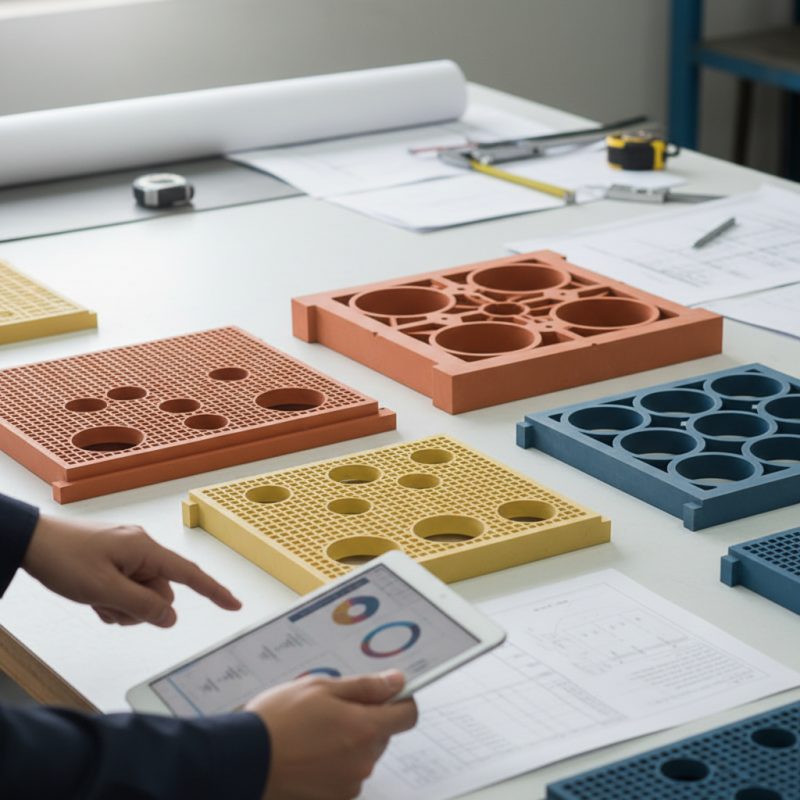
MDI PU screen panels are highly valued in various industries for their durability and efficient performance. These panels are made from methylene diphenyl diisocyanate (MDI) and polyurethane (PU), offering a unique combination of flexibility and strength. According to recent industry reports, MDI-based materials can result in a weight reduction of up to 30% compared to traditional screen materials, making them suitable for larger projects without compromising structural integrity.
The benefits of MDI PU screen panels extend beyond their physical properties. They exhibit impressive wear resistance and reduced maintenance needs, a necessity for industries like mining and construction. A study has shown that using MDI PU panels can lower operational costs by up to 20% through enhanced productivity and reduced downtime. However, choosing the right panel requires careful consideration. Factors such as environmental conditions and load capacity should not be overlooked. It is common to see mismatched applications leading to early failure, emphasizing the need for detailed project assessments.
While the advantages are clear, potential buyers should also reflect on their specific needs. Different projects may require panels with unique specifications. The cost aspect, while often a primary concern, shouldn't overshadow the long-term benefits of investing in quality materials. Balancing cost with performance and suitability is key to a successful selection process.
Assessing Your Project Requirements for Screen Panels
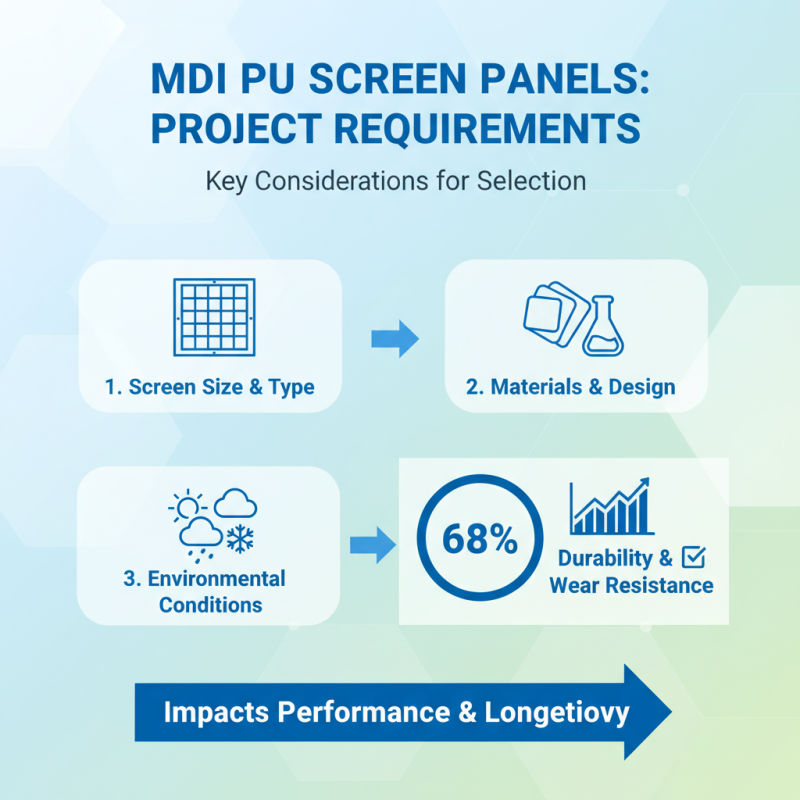
When deciding on MDI PU screen panels, understanding project requirements is essential. A project’s unique needs shape the choice of materials and design. For instance, consider screen size, type of materials, and environmental conditions. According to industry reports, around 68% of projects emphasize the importance of durability and resistance to wear. Your choice impacts not just performance but also longevity.
Evaluate your project's specific demands. Are you working in a high-impact environment? If so, you may require panels with enhanced strength. A survey indicated that 54% of construction managers prioritize impact resistance. If less than 5% of projects face strict regulations, be mindful of compliance. Beyond mere functionality, assess visual appeal. Poor aesthetic choices can affect overall project perception.
Lastly, gathering feedback from previous projects might help. Insights from others reveal common pitfalls. For example, many professionals struggle with installation logistics and optimal sizing. A mismatch can lead to increased costs and delays, which are often overlooked during planning. Balancing these factors can streamline your selection process and ensure better outcomes.
Evaluating Different MDI PU Screen Panel Specifications
When evaluating MDI PU screen panels, the specifications play a crucial role. Consider the thickness of the panels. Thicker panels often offer better durability and resistance to wear. However, they can be heavier and may require stronger support structures. Balancing weight and strength is essential for structural integrity.
Next, look at the mesh size. Different projects may need specific mesh sizes to optimize filtering capabilities. A finer mesh can catch smaller particles but may clog more quickly. Conversely, a coarser mesh allows for better flow but may compromise filtration efficiency. Finding the right mesh for your material is vital for project success.
Don’t overlook the panel's chemical resistance. Some panels can degrade when exposed to harsh substances. This might not be obvious at first. Over time, corrosion could lead to failures. Consider the environment carefully before choosing a material. Not all specifications are perfect for every situation, so thorough evaluation is necessary.
MDI PU Screen Panels Specification Evaluation
Comparing Cost-Effectiveness of MDI PU Options
When selecting MDI PU screen panels for your project, cost-effectiveness is key. According to industry reports, the initial investment in MDI PU options can lead to significant long-term savings. These panels often outperform traditional alternatives in durability and efficiency. Their lifespan can reach up to 20 years in rigorous conditions, reducing replacement costs.
However, not all MDI PU options are created equally. A study revealed that the manufacturing processes impact cost. Selecting panels with higher quality formulations may incur a higher upfront cost but can save on maintenance and repair expenses over time. In some cases, companies might prioritize initial savings, ultimately missing potential long-term benefits.
Moreover, consider the energy efficiency of MDI PU panels. Well-made panels can reduce operational costs by lowering energy consumption. Research shows that effective insulation reduces heating and cooling demands by approximately 15%. That can translate to thousands saved annually. Balancing initial investment with long-term savings requires careful analysis. It's an area where misjudgments often occur.
Sourcing and Quality Assurance for MDI PU Screen Panels
When sourcing MDI PU screen panels, quality assurance is essential. Start by identifying reliable manufacturers. Research their production processes and materials. Understand the specifications for the type of project you're undertaking. This clarity helps avoid costly mistakes.
Next, inspect the panels before committing. Touch and feel the material. Is it robust? Check for consistency in thickness and color. If possible, request samples. This way, you can assess their performance under actual working conditions. Sometimes, panels might look fine but fail under pressure or during usage.
Don't overlook the importance of certifications. They indicate compliance with industry standards. However, not all certifications are equal. Ask detailed questions about each one. Involve your team in the evaluation process. Different perspectives can reveal potential issues that you might miss. A collaborative approach can lead to better decisions, ultimately improving project outcomes.
How to Choose MDI PU Screen Panels for Your Project?
| Data Dimension |
Details |
Considerations |
Example Standards |
| Material Quality |
Check for high-density polyurethane. |
Durability, weather resistance. |
ISO 9001 Certification. |
| Size Specifications |
Determine the area to be covered. |
Fit with existing infrastructure. |
Custom dimensions available. |
| Weight Capacity |
Ensure the panel can support the load required. |
Application-specific requirements. |
ASTM Load Testing Standards. |
| Surface Finish |
Evaluate texture and color options. |
Aesthetic and maintenance considerations. |
Finish durability standards. |
| Environmental Resistance |
Resistance to UV, moisture, and temperature. |
Long-term performance. |
IP Rating System. |
 No. 14, Building 2, No. 367 Beijing Road, Chengdu Economic and Technological Development Zone (Longquanyi District)