How to Choose the Best Fine Mesh for Your Global Sourcing Needs?
Choosing the best fine mesh for your global sourcing needs can be challenging. Fine mesh is crucial in various industries, from food processing to pharmaceuticals. The right selection can significantly impact product quality and operational efficiency.
When sourcing fine mesh, consider your specific requirements. This includes the mesh size, material, and durability. Different applications need different types of fine mesh. For instance, food-grade mesh must meet safety standards. It is essential to evaluate suppliers based on their expertise and reliability. Not all providers understand the nuances of fine mesh.
As you navigate your sourcing journey, keep in mind common pitfalls. Misjudging the mesh's specifications can lead to issues down the line. Reflect on your end goals and consult industry experts. Their insights can be invaluable in making the right choice.
Understanding the Importance of Fine Mesh in Global Sourcing
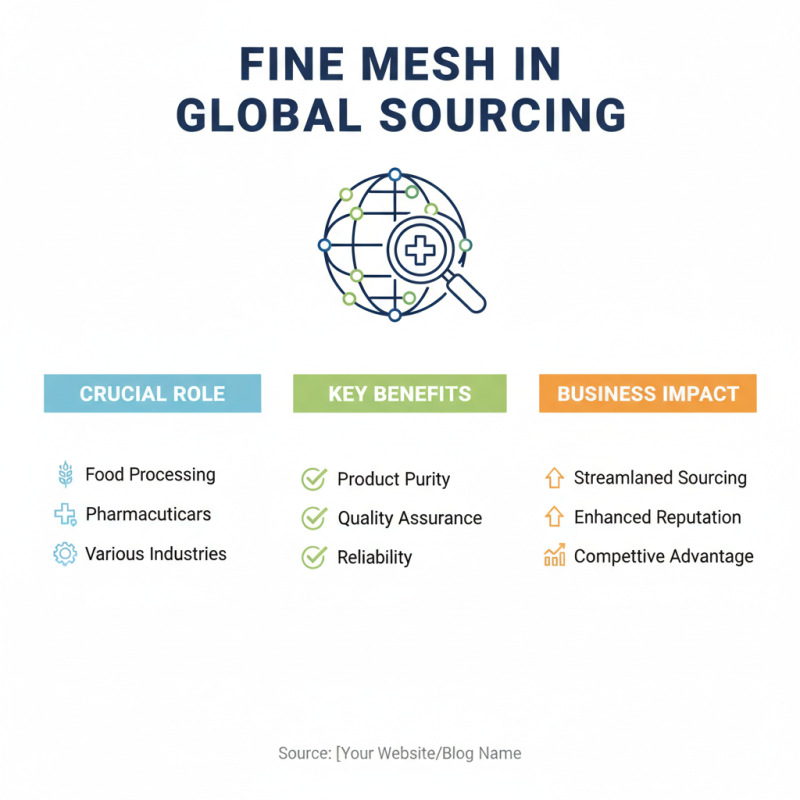
Fine mesh materials play a crucial role in global sourcing. They are often used in various industries, from food processing to pharmaceuticals. Understanding their importance can streamline your sourcing decisions. When properly selected, fine mesh ensures product purity and quality. This reliability can bolster a company’s reputation in competitive markets.
Choosing the right fine mesh involves several factors. The mesh size should align with your product requirements. For instance, food-grade applications demand higher filtration standards. Yet, finding a perfect fit isn’t always straightforward. Variations in material and construction can affect performance. Researching specifications is essential, but don’t overlook the manufacturer’s reputation.
In practice, sourcing fine mesh may involve challenges. Testing samples can lead to unexpected results. A mesh that seems ideal might underperform under specific conditions. This realization is not uncommon. It emphasizes the need for thorough testing and validation. Companies must remain flexible, learning from any sourcing missteps to improve future decisions.
Identifying Different Types of Fine Mesh Materials and Their Applications
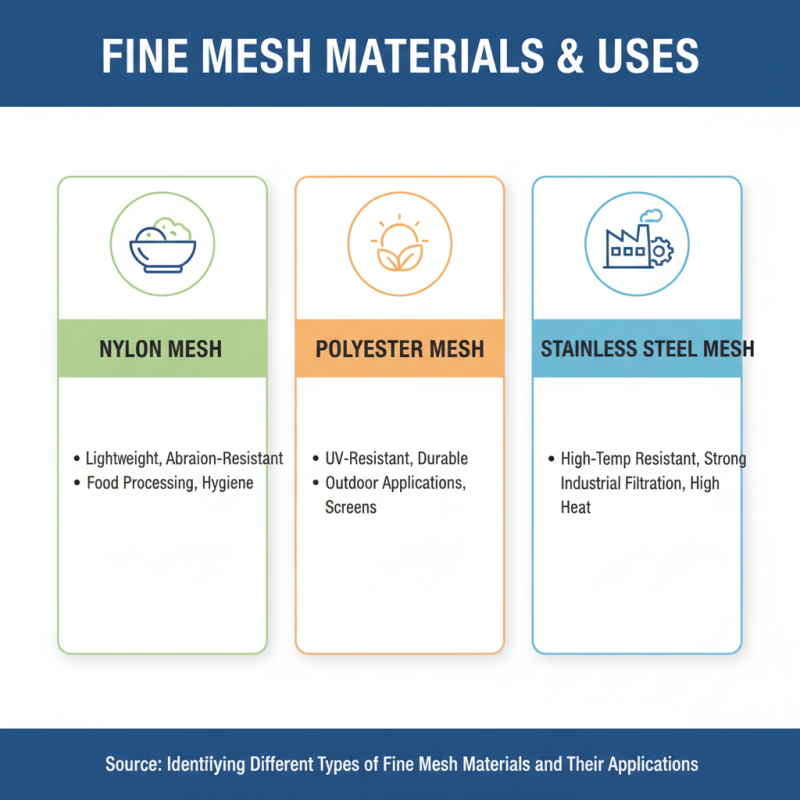
Fine mesh materials come in various types, each with distinctive characteristics and applications. Nylon, for instance, is lightweight and resistant to abrasion. It is often used in food processing, where hygiene is crucial. Polyester mesh holds up well under UV exposure, making it suitable for outdoor applications. Stainless steel mesh is durable and can withstand high temperatures, making it ideal for industrial filtration.
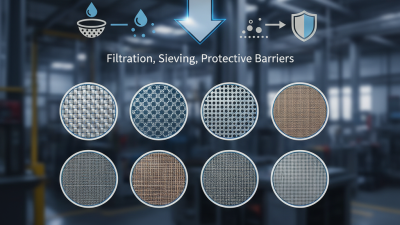
Recent industry reports highlight the growing demand for fine mesh in sectors like pharmaceuticals and biotechnology. In these sectors, mesh's role in sieving, filtering, and separating materials is vital. A report from MarketsandMarkets indicates that the fine mesh market could reach $1.5 billion by 2025. However, selecting the appropriate fine mesh requires a thorough understanding of the application requirements. Not all materials perform equally under stress or in different environments, which raises the need for careful evaluation.
Moreover, while advancements in fine mesh technology have expanded its applications, challenges remain. Issues such as clogging and material degradation need attention. Manufacturers must balance mesh specifications with operational conditions. The spectrum of fine mesh types, from natural to synthetic, offers opportunities yet demands careful selection based on specific needs and application scenarios.
Key Factors to Consider When Selecting Fine Mesh for Your Needs
When selecting fine mesh for your global sourcing needs, consider the material. Options like nylon, polyester, or stainless steel can significantly impact durability and performance. Each material offers unique benefits, such as resistance to corrosion or ease of cleaning. Analyze your application to determine the best fit.
Mesh size is another critical factor. Fine mesh comes in various openings, affecting filtration and airflow. A smaller mesh size can trap finer particles but may inhibit flow rates. Keep your project's specific requirements in mind when choosing mesh size. Balance is key; too fine can lead to clogs, while too coarse may miss essential particles.
Finally, think about the mesh's compatibility with your systems. Does it integrate easily with existing equipment? Sometimes, a seemingly perfect mesh can create issues down the line. Consider feedback from your team to gauge usability. Test samples if possible, as real-world application can highlight unforeseen challenges.
Evaluating Supplier Capabilities and Quality Standards for Fine Mesh
When evaluating supplier capabilities for fine mesh, consider their production processes. Quality standards are crucial. A 2022 report by Global Industry Analysts reveals that the demand for fine mesh solutions has risen by over 12% annually. This trend emphasizes the need to scrutinize suppliers thoroughly.
Inspecting supplier certifications is vital. Ensure they comply with relevant quality standards, such as ISO 9001. This certification reflects a commitment to maintaining high-quality processes. However, many suppliers may claim adherence without substantive proof. Always request documentation to validate their claims.
Tip: Regularly conduct on-site visits if possible. This allows you to assess the manufacturing environment and quality control measures. Look for indicators of their operational efficiency and consistency in product output.
Additionally, seek references from previous clients. Feedback can uncover issues that data may not reveal. Some suppliers may excel in communication but falter in delivery. Implementing a multidimensional evaluation approach can highlight strengths and weaknesses, aiding informed decisions.
Cost-Effectiveness and Delivery Timelines in Fine Mesh Sourcing Decisions
When sourcing fine mesh, cost-effectiveness is a major consideration.
Evaluating the total cost of ownership is crucial. This includes not just the purchase price, but also shipping, customs, and potential tariffs.
A lower upfront cost can sometimes lead to higher long-term expenses.
Therefore, a comprehensive analysis helps in making informed decisions.
Delivery timelines are equally important. Delays can impact your production schedule and customer satisfaction.
Assessing the reliability of suppliers is essential. Factors like manufacturing capability and geographic location play a significant role in delivery speed.
Have they met timelines consistently in the past? Asking for references can provide valuable insights.
It's easy to overlook hidden costs or assume suppliers will always deliver on time.
Consider potential fluctuations in shipping conditions or delays in manufacturing. This uncertainty can affect your bottom line.
The key is to weigh all aspects, including communication efficiency with suppliers. Transparency is vital for building long-term partnerships.
 No. 14, Building 2, No. 367 Beijing Road, Chengdu Economic and Technological Development Zone (Longquanyi District)