How to Choose the Right Fine Mesh Screen for Your Needs?
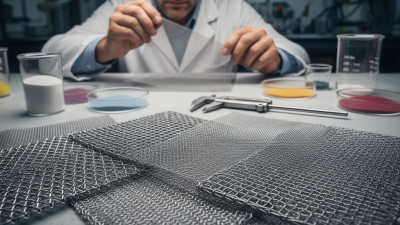
Selecting the right Fine Mesh Screen can significantly impact your project's success. Whether you're filtering liquids or separating particles, the right screen makes a difference. Fine Mesh Screens come in various materials, sizes, and mesh openings, each serving different purposes.
When considering your needs, it’s crucial to evaluate the specific application. For example, a screen with a larger mesh opening might be suitable for coarse filtration, while a finer mesh is ideal for capturing smaller particles. Understanding these characteristics can guide your choice.
Keep in mind that not all Fine Mesh Screens are created equal. Quality and durability vary across manufacturers. Researching reputable brands can save you time and money. Reflect on your unique requirements, and don’t hesitate to seek expert advice. Finding the perfect match can lead to better results.
Factors to Consider When Selecting Fine Mesh Screen Materials
Choosing the right fine mesh screen involves various considerations. The material’s compatibility with your project is crucial. Do you need resistance to chemicals or high temperatures? Stainless steel, for instance, is robust and ideal for industrial applications. Conversely, nylon is lighter but may not withstand harsh environments.
Another factor to reflect on is the mesh size. Finer mesh offers better filtration, but that can come with trade-offs. Smaller openings may clog faster, requiring frequent cleaning. Think about the specific particles you need to filter. A balance between filtration efficiency and maintenance is essential for long-term usage.
Durability is also key. Some screens may degrade over time, especially if exposed to UV light or moisture. Assess your environment carefully. A screen that works well in one setting might fail in another. It’s worth evaluating real-world experiences and feedback to ensure reliability. Keep these points in mind as you make your selection.
Understanding Mesh Size and Its Impact on Filtration Performance
When selecting a fine mesh screen, understanding mesh size is crucial. Mesh size refers to the number of openings per linear inch. A high mesh count means smaller holes, while a low mesh count indicates larger gaps. The size directly impacts filtration performance. For example, a 200 mesh screen eliminates particles down to 74 microns. In contrast, a 50 mesh screen allows larger particles, approximately 297 microns, to pass through.
Also, consider the material of the mesh. Stainless steel is durable and resistant to corrosion. Nylon offers flexibility but may not withstand high temperatures. According to industry reports, using the right mesh can enhance efficiency by up to 30%. However, mesh screens with larger openings risk allowing undesirable particles. This might lead to system failure or contamination.
Choosing the correct mesh size requires a balance between the desired filtration quality and the specific material being filtered. It’s important to evaluate your needs carefully. A little miscalculation here can result in significant setbacks. Therefore, thorough testing is essential before finalizing your choice.
How to Choose the Right Fine Mesh Screen for Your Needs? - Understanding Mesh Size and Its Impact on Filtration Performance
| Mesh Size (Micron) |
Application |
Filtration Performance |
Common Materials |
| 10 Micron |
Water Filtration |
Removes large particles and sediment |
Polyester, Nylon |
| 20 Micron |
Food Processing |
Strains food particles easily |
Stainless Steel, Nylon |
| 50 Micron |
Brewery Applications |
Ideal for removing hops and solids |
Stainless Steel, Polyester |
| 100 Micron |
Cosmetic Products |
Filters out impurities |
Polyester, Nylon |
| 200 Micron |
Agricultural Uses |
Removes larger contaminants |
Stainless Steel, Polypropylene |
Common Applications of Fine Mesh Screens in Various Industries
Fine mesh screens are versatile tools used across various industries.
In food processing, they filter out impurities from liquids and solids. They help ensure product quality and safety. In pharmaceuticals, fine mesh screens assist in the manufacturing of tablets and powders. They enable precise particle size control, enhancing product efficacy and consistency.
In environmental applications, fine mesh screens are crucial for water filtration. They remove debris and contaminants, promoting cleaner water sources. In agriculture, these screens prevent pests while allowing airflow, improving crop health. Their adaptability makes them indispensable in different sectors.
Tip: Always consider the mesh size. A finer mesh captures smaller particles, but it may also slow down flow rates.
Tip: Evaluate your specific needs. The right mesh screen can enhance efficiency and reduce waste. Be mindful of maintenance requirements as well.
Choosing the appropriate fine mesh screen requires understanding its intended application. Recognizing the importance of mesh material can greatly influence performance and lifespan. Many overlook this detail, but it can be the key to achieving the desired outcome.
Evaluating Durability and Maintenance Requirements for Fine Mesh Screens
When choosing a fine mesh screen,
durability and maintenance are key factors.
A well-constructed screen should withstand wear and tear while effectively filtering out unwanted particles.
Different materials offer varying levels of strength.
Stainless steel is often favored for its longevity, but it may be heavier.
On the other hand, nylon provides flexibility and is lighter, yet it can degrade under UV exposure.
Regular maintenance can't be overlooked.
Clean the screen periodically to prevent clogs and ensure optimal performance.
Depending on the material, some screens may require specific cleaning methods to avoid damage.
Assess the installation environment too.
Exposure to harsh chemicals or extreme temperatures can affect durability.
Think about the long-term costs of maintenance.
In some cases, a more expensive but durable option could save you money down the line.
Considering these aspects can help you avoid common pitfalls.
Not all screens are created equal, and choices often reflect personal needs and situations.
Engage in thorough research, and consult with experts if necessary.
Each decision impacts performance and lifespan, so weigh your options carefully.
Cost-Effectiveness Analysis of Different Types of Fine Mesh Screens
When selecting a fine mesh screen, cost-effectiveness is a crucial factor. Different types of screens come with varying price points and utility. For instance, nylon screens are often more affordable but may not endure heavy use. In contrast, stainless steel screens are more durable and offer longevity, making them a better value in the long run. Choosing the right material can lead to significant savings over time.
It’s essential to evaluate specific needs for your applications. Look at the size and type of particles you intend to filter. Fine mesh screens can range from 1 micron to larger sizes. The price often reflects the screen’s mesh density and material quality. Sometimes, a higher upfront cost leads to better efficiency and less frequent replacements. This assessment requires careful thought.
Often overlooked is the screen's maintenance needs. Some materials may require special cleaning or handling, adding to long-term costs. Reflect on the total cost of ownership rather than just the initial purchase price. Thorough research and a clear understanding of your requirements can lead to a more informed decision.
 No. 14, Building 2, No. 367 Beijing Road, Chengdu Economic and Technological Development Zone (Longquanyi District)