How to Choose Urethane Screen Mesh for Your Needs?
Choosing the right Urethane Screen Mesh is crucial for various applications, from mining to recycling. Dr. Emily Carter, a leading expert in material science, emphasizes, "The right mesh can significantly impact efficiency and product quality."
When selecting Urethane Screen Mesh, consider factors like openings, durability, and compatibility with your materials. Each application is unique. You might find some options lack the needed strength or flexibility. This mishap can lead to costly downtime and material waste.
Furthermore, evaluating performance metrics is essential. A poor choice could mean unnecessary replacement or repair costs. Aim for a balance between cost and quality. Don't overlook the importance of expert advice in this decision-making process. Sometimes, a quick fix can lead to longer-term issues. Ultimately, the right Urethane Screen Mesh can enhance productivity and save time.
Understanding Urethane Screen Mesh and Its Applications
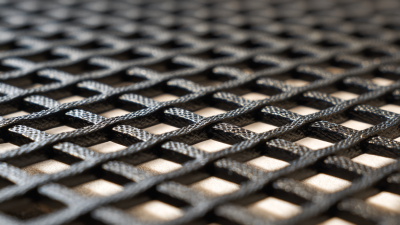
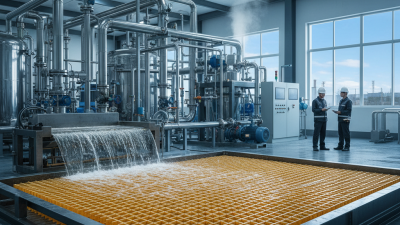
Urethane screen mesh offers a versatile solution for various industrial applications. This material is durable and resistant to wear, making it ideal for sorting and filtering. It can be used in mineral processing, as well as in the recycling industry. Urethane screens help reduce downtime by minimizing damage during operation. Users appreciate the flexibility of customization to fit specific machinery and needs.
Despite its many advantages, not all applications are suited for urethane mesh. Some environments may require stronger materials. Knowing the specific requirements of your operation is crucial. Consider factors like the type of materials handled and the operating conditions. It can be challenging to find the perfect match. Sometimes it takes trial and error to identify the right mesh that performs optimally. Thorough testing can reveal insights into durability and efficiency.
Choosing the correct urethane screen mesh involves thoughtful consideration. Take into account the mesh's aperture size and its percentage open area. This will directly impact the flow rate and the quality of the final product. Keep in mind that imperfections in matching mesh with machinery can lead to costly setbacks. Observing the performance and making adjustments will aid in maximizing productivity.
Factors to Consider When Choosing Urethane Screen Mesh
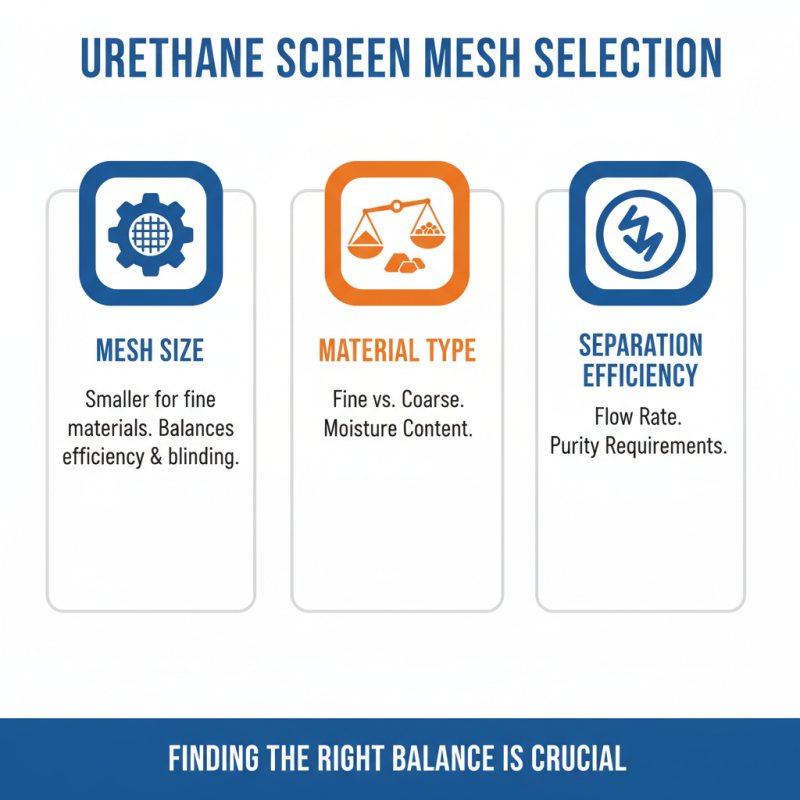
When choosing urethane screen mesh, several factors are critical. The first aspect to consider is the mesh size, which can greatly influence separation efficiency. According to industry reports, a smaller mesh size is ideal for finer materials. However, it may lead to blinding issues. Finding the right balance is crucial.
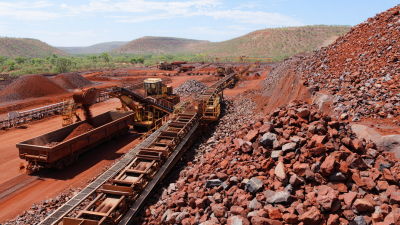
Next, consider the application environment. Urethane mesh performs well in harsh conditions. Its abrasion resistance rates can exceed 60%, making it suitable for mining and aggregate industries. But it may not be the best choice for extreme chemical exposure. Some reports suggest an assessment of the material characteristics before deciding.
Durability and flexibility are important too. A mesh that is too rigid might crack under stress, leading to premature failure. On the other hand, excessive flexibility can result in loss of shape and function. Identifying the right grade for your needs requires careful analysis. Customer feedback often highlights the need for adjustment in specifications to match operational demands.
Comparison of Urethane Screen Mesh with Other Materials
When comparing urethane screen mesh with other materials, several factors come into play.
Urethane stands out for its durability and flexibility. Unlike metal screens, urethane mesh is resistant to wear and tear.
It can handle harsh environments without breaking down easily. This is critical for industries like mining and recycling,
where heavy materials are the norm.
In contrast, wire mesh may offer high strength, but it often lacks flexibility.
This can lead to broken wires under pressure. Plastic screens, while lightweight, often cannot support the same weight as urethane.
They might sag or warp over time. Thus, choosing the right material hinges on understanding these differences.
A few drawbacks exist with urethane screen mesh. It can be pricier than other options.
Depending on the application, this initial investment may not always seem justified.
Additionally, urethane doesn't perform well in extreme temperatures. Reflecting on these factors is essential.
Ultimately, the material you choose impacts efficiency and costs in the long run.
Maintenance Tips for Urethane Screen Mesh Longevity
Maintaining urethane screen mesh is crucial for its longevity and efficiency. Regular cleaning is essential. Dust and debris can accumulate, reducing its effectiveness. A study indicated that proper maintenance can extend the lifespan by up to 30%. Consider implementing a routine cleaning schedule. Use a soft brush or compressed air to remove particles. Avoid harsh chemicals; they can degrade the material.
Inspect your screens frequently for signs of wear. Look for tears or punctures. Addressing these issues promptly can prevent larger problems. Data from industry reports suggest that proactive maintenance reduces replacement costs significantly. Regularly check the tension of the mesh; it should not be too loose or too tight. Misalignment can lead to improper screening.
Storage is another critical aspect. Keep urethane screens in a cool, dry place. UV exposure can lead to deterioration. If you notice fading, it may be time for replacement. Many operators overlook this detail, which can affect performance. Finally, invest in training for staff regarding maintenance practices. Well-informed personnel can make a difference in mesh longevity.
How to Choose Urethane Screen Mesh for Your Needs? - Maintenance Tips for Urethane Screen Mesh Longevity
| Screen Type |
Aperture Size (mm) |
Mesh Thickness (mm) |
Material Hardness (Shore A) |
Application |
Maintenance Frequency (months) |
| Fine Urethane Mesh |
0.5 |
2 |
85 |
Food Processing |
6 |
| Medium Urethane Mesh |
1.0 |
3 |
90 |
Mining |
12 |
| Coarse Urethane Mesh |
2.0 |
4 |
95 |
Recycling |
18 |
Common Misconceptions About Urethane Screen Mesh Selection
Many people have misconceptions about urethane screen mesh selection. One common belief is that all urethane meshes are the same. This is far from the truth. Different applications require specific characteristics. For example, the size of particles to be screened matters. A finer mesh may work for smaller materials, but it could block larger particles. This could lead to inefficiencies.
Another misconception is that a higher price guarantees better quality. While cost can indicate certain features, it doesn't ensure performance. It's crucial to assess the specific needs of your application. Look for durability and resistance to wear. Sometimes, a less expensive option may serve just as well. Many users overlook the importance of testing. Always request samples before making a bulk order. This allows for practical evaluation and reduces the risk of costly mistakes.
 No. 14, Building 2, No. 367 Beijing Road, Chengdu Economic and Technological Development Zone (Longquanyi District)