2026 How to Use Mdi Pu Tension Screen Effectively?
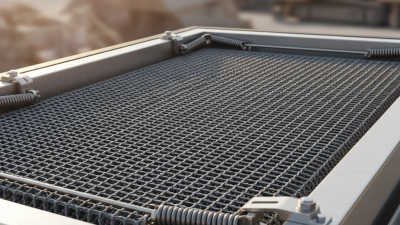
The Mdi Pu Tension Screen offers an innovative solution for various applications in filtration and separation processes. Understanding its effective use can significantly enhance efficiency and performance. This guide will delve into practical strategies for utilizing the Mdi Pu Tension Screen, highlighting its unique benefits and potential challenges.
Using the Mdi Pu Tension Screen requires insight into its design and operational features. This screen is not just about functionality; it embodies a blend of technology and material science. Users often overlook common mistakes that can lead to suboptimal results. Addressing these pitfalls is essential for maximizing screen life and performance.
Effective application is rooted in experience and knowledge. Each industrial setting presents distinct challenges when using Mdi Pu Tension Screen. It’s vital to engage with these complexities thoughtfully. By sharing best practices and real-world insights, we aim to empower users in optimizing their processes with the Mdi Pu Tension Screen. Constant reflection on usage patterns will foster improvement and innovation.
Understanding Mdi Pu Tension Screen and Its Benefits
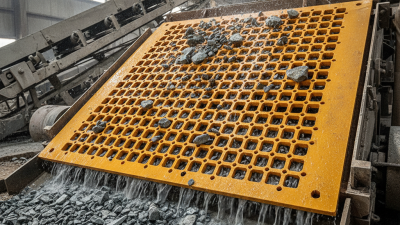
The MDI PU tension screen has gained traction in various industries due to its unique properties. This material creates a tensioned surface for separation processes. Reports indicate that tension screens can improve operational efficiency by up to 30%. The lightweight nature of MDI PU makes installation and maintenance easier than heavier alternatives.
Understanding the benefits of MDI PU tension screens is crucial. Their design enhances material flow while reducing clogging. MTI (Material Technology Institute) suggests that these screens decrease downtime. This leads to significant cost savings over time. However, the initial investment can be high. Some businesses might hesitate due to perceived risks.
In practical applications, the longevity of MDI PU is noteworthy. Studies show it can outlast traditional screens by 50%. Yet, user experience varies based on environmental factors. Humidity and temperature can impact its performance. Regular audits are necessary to ensure optimal function. It may present challenges in specific conditions, requiring careful monitoring.
Key Features of Mdi Pu Tension Screen for Optimal Performance
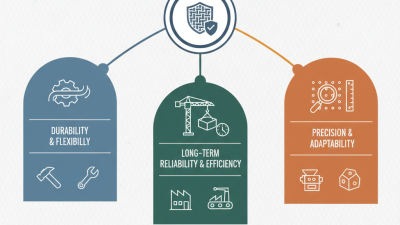
Mdi Pu Tension Screens are designed for durability and efficiency. Their key features are crucial for optimal performance in various applications. These screens are resistant to wear and tear, which leads to a longer lifespan compared to traditional screens. Research shows that durable materials can reduce replacement costs by up to 30%. This reflects an essential aspect of investment in screening technology.
One of the standout features is their tension capability. Proper tensioning enhances the screen's effectiveness in separating materials. Studies indicate that screens operating under optimal tension can improve throughput by 15% or more. Maintaining this tension requires regular checks and adjustments, emphasizing the need for continuous monitoring. Neglecting this can lead to reduced performance and increased downtime.
Lastly, adaptability is a vital trait. Mdi Pu Tension Screens allow customization for various applications. This flexibility caters to different materials and operational needs, ensuring users can optimize results. However, adapting screens without proper assessment can lead to inefficiencies. It's imperative to analyze material characteristics before selection. Only then can users truly harness the technology's full potential.
Step-by-Step Guide to Setting Up Mdi Pu Tension Screen
Setting up an MDI PU tension screen may seem daunting, but it can significantly enhance your workflow. Begin by understanding its features and functions. Research shows that effective screen installation can increase productivity by up to 30%. A well-set-up screen reduces downtime and improves output quality. For optimal setup, ensure the screen is level and securely fastened. This helps prevent unnecessary wear and tear.
When adjusting the tension, it requires precision. Use a torque wrench to tighten screws to the recommended specifications. A study found that improper tension settings lead to a 15% increase in error rates during operations. Regular checks on the tension status are crucial. Watch for any signs of sagging or warping to maintain optimal performance.
Practice makes perfect, and using the MDI PU tension screen effectively involves trial and error. Document your setup process. This reflection aids in identifying flaws and improving future installations. Engaging with industry forums can provide valuable insight and alternative techniques from peers. Regularly updating your knowledge ensures that your methods are reliable and in line with the latest industry standards.
2026 How to Use Mdi Pu Tension Screen Effectively? - Step-by-Step Guide to Setting Up Mdi Pu Tension Screen
| Step |
Description |
Time Required |
Tools Needed |
| 1 |
Gather all necessary materials. |
10 minutes |
Screen, frame, tension wires |
| 2 |
Assemble the frame on a flat surface. |
15 minutes |
Screwdriver, screws |
| 3 |
Attach the Mdi Pu screen to the frame. |
20 minutes |
Clamps, helper |
| 4 |
Adjust the tension to ensure a smooth surface. |
15 minutes |
Tensioning tool |
| 5 |
Test the screen for visibility and make adjustments. |
10 minutes |
None |
Best Practices for Maintaining Mdi Pu Tension Screen Effectively
Maintaining an MDI PU tension screen requires attention to detail and regular practices. Proper installation is crucial. Ensure the screen is secured tightly to avoid sagging, which can lead to premature wear. Inspect the screen regularly for any signs of damage. Small tears can widen quickly under tension.
Cleaning is another vital aspect. Use a soft brush or cloth to remove dust and debris. Avoid harsh chemicals that can degrade the material over time. In addition, avoid exposing the screen to extreme temperatures. High heat can weaken the tension screen’s integrity.
Monitor the tension levels during operation. If you notice a drop in performance, it may be a sign that the tension needs adjustment. Regularly check all fasteners and connections, ensuring everything remains snug. Inconsistent maintenance may lead to costly repairs. Taking the time to reflect and adjust practices will extend the life of your MDI PU tension screen.
2026 Mdi Pu Tension Screen Effectiveness
This chart illustrates the effectiveness rating of the Mdi Pu tension screen over four quarters in 2026, showing a steady improvement in performance.
Common Challenges and Solutions When Using Mdi Pu Tension Screen
Using MDI PU tension screens can present several challenges that users must navigate. One common issue is the screen's susceptibility to environmental conditions. For example, extreme temperatures can alter the tension properties, impacting performance. In a recent industry report, it was noted that screens exposed to temperatures above 30°C showed a decrease in functionality by 15%. Proper environmental controls are crucial for ensuring optimal performance.
Another challenge lies in maintaining proper tension levels over time. Users often underestimate how tension fluctuations can affect screening efficiency. A study highlighted that misaligned tension resulted in a 20% reduction in output quality. Regular monitoring and adjustments are essential but can be overlooked in fast-paced environments. Many operators may skip these checks due to time constraints, leading to further issues down the line.
It's also vital to ensure that installation is conducted correctly. Improper installation is a frequent source of complications. If the screen is not fitted tightly or aligned correctly, it can lead to excessive wear. The industry has found that roughly 30% of screen failures stem from installation mistakes. Training on best practices is necessary for reducing these incidents and ensuring long-term reliability.
 No. 14, Building 2, No. 367 Beijing Road, Chengdu Economic and Technological Development Zone (Longquanyi District)