What is Mdi Pu Tension Screen and How Does It Work?
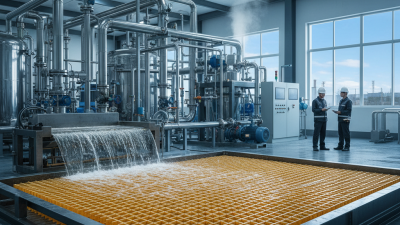
The Mdi Pu Tension Screen is a key innovation in separation technology. This screen plays a crucial role in various industries, including mining and construction. According to recent reports, the global screening equipment market is expected to reach USD 3 billion by 2025. Such growth underlines the demand for reliable separation solutions like Mdi Pu Tension Screens.
Designed for efficiency, Mdi Pu Tension Screens offer enhanced durability and performance. They utilize polyurethane materials, which provide better resistance to wear and tear compared to traditional screens. However, some users have faced challenges in maintenance and installation, revealing areas for improvement. Understanding these limitations is critical for maximizing operational efficiency.
Data indicates that nearly 30% of industries are still unaware of the benefits of advanced screening solutions. This knowledge gap presents opportunities for companies to educate themselves about Mdi Pu Tension Screens. Addressing these issues can lead to increased productivity and lower operational costs. Therefore, it is essential to explore how Mdi Pu Tension Screens work and their impact on various industrial applications.
What is Mdi Pu Tension Screen?
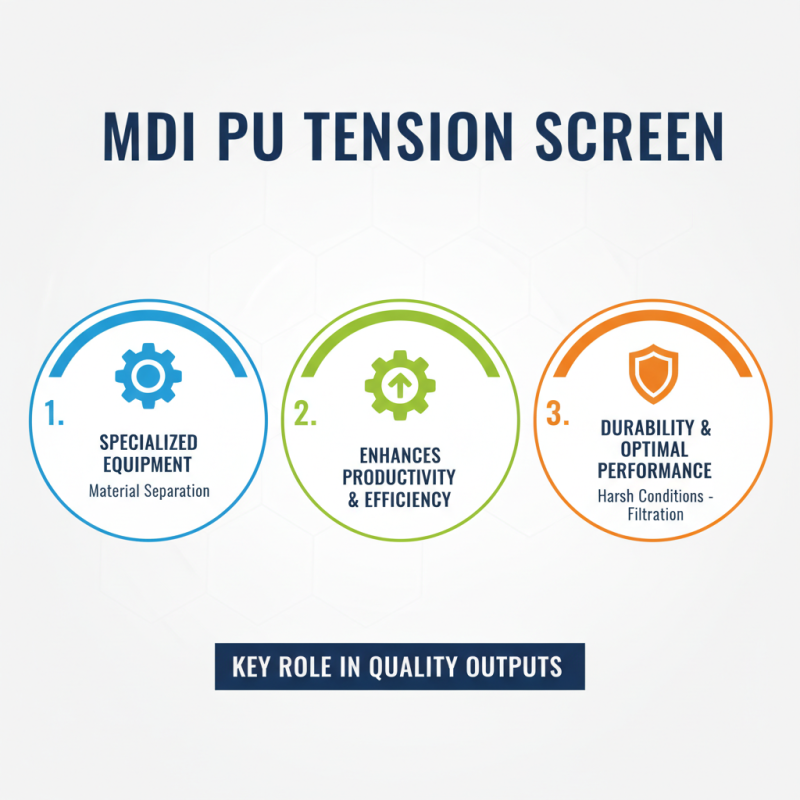
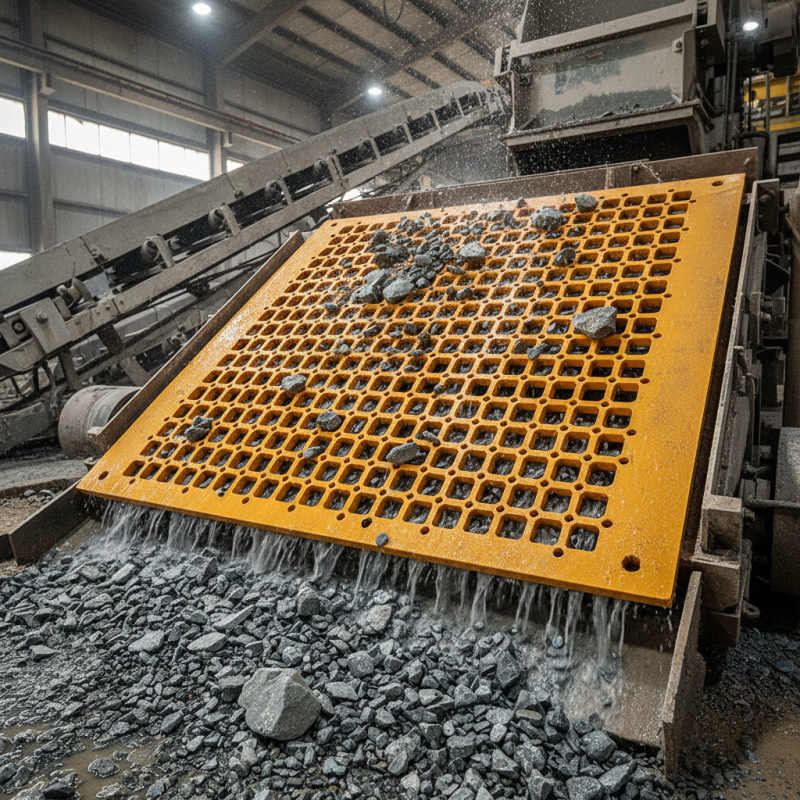
Mdi Pu Tension Screen is a specialized equipment used in various industries for material separation. It plays a crucial role in enhancing productivity and efficiency. These screens are designed to endure harsh conditions while delivering optimal performance. Proper tensioning allows for effective filtration and separation, leading to higher quality outputs.
Data from industry reports indicate that systems utilizing Mdi Pu Tension Screens achieve up to 30% increase in separation efficiency. This is critical in sectors like mining, recycling, and food processing. The material's ability to withstand mechanical stress is key to its appeal.
Tips: Regular maintenance is essential. Check tension levels frequently. A loose screen can lead to product loss. Additionally, correct installation plays a vital role in performance. Incorrect setup can diminish efficiency and increase wear.
Investing in Mdi Pu Tension Screens may involve costs. Ensuring proper use is crucial for ROI. Regular training for staff on handling and maintenance can prevent issues. Smart choices lead to better operational results.
Key Components of Mdi Pu Tension Screens
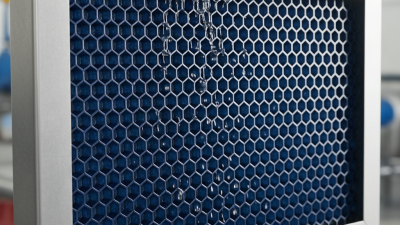
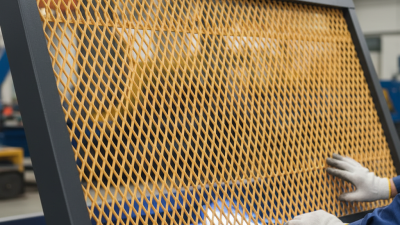
Mdi Pu tension screens are essential in various industries, particularly in filtration and separation processes. The main components of these screens contribute significantly to their functionality and durability. One key element is the screen mesh itself, made from high-density polyurethane. This material withstands harsh conditions and provides excellent tensile strength. The pore size of the mesh is crucial. It allows the passage of desired materials, while effectively filtering out contaminants.
Another important component is the frame of the screen. It often features a robust design that enhances stability during operation. The frame's material can vary, but it must be resistant to corrosion and wear. Connecting mechanisms also play a vital role. They ensure the screen remains securely in place, even under heavy loads. Bolts or clamps are common, providing a reliable fit.
Maintenance of these components is sometimes overlooked. Regular inspection can prevent major failures. Additionally, operators might not realize the impact of environmental factors. High temperatures or chemical exposure can affect performance. Addressing these concerns will promote a longer lifespan for the screens. Understanding these elements helps in optimizing the use of Mdi Pu tension screens.
Working Principles of Mdi Pu Tension Screens
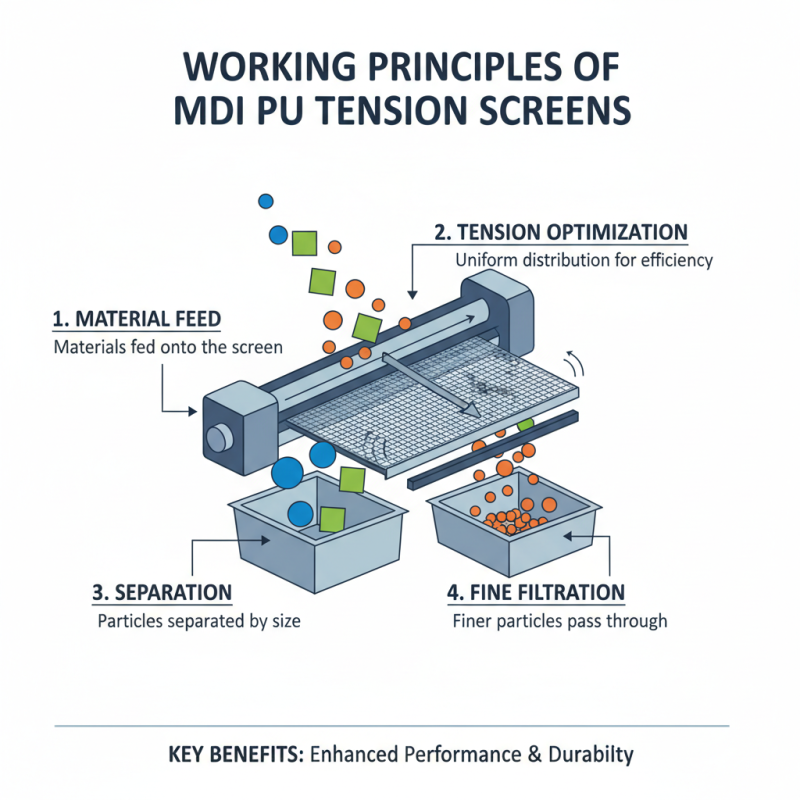
Mdi Pu tension screens are vital tools in various industries for separation and filtration. These screens utilize a unique tensioning system to optimize performance. When materials are fed onto the screen, they are evenly distributed, allowing efficient separation of particles based on size.
The working principle behind Mdi Pu tension screens focuses on the tension applied to the screen material. This tension creates a stable surface, which enhances the interaction between the material and the screen. As materials pass over, smaller particles drop through while larger ones remain on top. This process can improve efficiency, but it has its challenges. Misalignment can lead to uneven tension and compromised performance.
In practice, regular maintenance and adjustments are crucial. Operators must monitor the tension levels periodically. A slight miscalculation can lead to reduced efficiency. Observing wear and tear helps determine when replacements are necessary. While Mdi Pu tension screens are effective, the fine-tuning of settings is essential for optimal results.
Applications of Mdi Pu Tension Screens in Industry
Mdi Pu tension screens play a crucial role in various industries. They are especially important in sectors like mining, recycling, and food processing. These screens are designed to separate materials effectively. For instance, they help in grading and classifying raw materials. The process can significantly increase efficiency. Yet, not all operations utilize these screens optimally.
In mining, Mdi Pu tension screens are invaluable. They handle high volumes of materials while maintaining precision. However, some facilities struggle with screen wear and tear. Regular maintenance is often overlooked. Users may face challenges in selecting the right mesh size, impacting performance.
In food processing, the screens ensure quality control. They prevent contaminants from entering production lines. While many industries benefit, some still hesitate to adopt this technology. The initial investment can seem daunting. Yet, the long-term advantages often outweigh the costs. Operators must balance immediate concerns with future gains.
Benefits of Using Mdi Pu Tension Screens Over Traditional Screens
Mdi Pu tension screens have gained attention for their efficiency in various industrial applications. One main advantage is their lightweight design, which facilitates easier installation and maintenance. Traditional screens are often heavier, requiring more equipment to handle them. A report from the Industry Research Bureau highlights that using lighter materials can enhance workflow efficiency by up to 25%.
Another benefit of Mdi Pu tension screens is their durability. These screens can withstand greater wear and tear compared to conventional options. Industry data suggests that the lifespan of Mdi Pu materials can be 30% longer. This durability leads to reduced replacement costs and less frequent downtime, which is critical for industries relying on seamless operations.
Moreover, Mdi Pu screens provide better filtration capabilities. They perform well in challenging conditions and filter out debris more effectively. Studies show that improved filtration can lead to a 15% increase in product quality. Despite these benefits, some users note the initial cost can be high. Weighing upfront costs against long-term savings is necessary for companies. Balancing costs, durability, and efficiency is essential for making well-informed decisions in choosing industrial screens.
 No. 14, Building 2, No. 367 Beijing Road, Chengdu Economic and Technological Development Zone (Longquanyi District)