How to Optimize Iron Ore Screening for Better Efficiency?
Iron Ore Screening plays a crucial role in the mining industry. It directly impacts the quality and efficiency of production. According to a recent report by Global Industry Analysts, the Iron Ore market is projected to reach 1.8 billion tons by 2025. This growth highlights the importance of optimizing screening processes.
Effective Iron Ore Screening can improve yield and reduce waste. Companies often struggle with the balance between throughput and accuracy. Missed or misclassified materials during screening can lead to significant losses. For instance, poorly optimized systems can result in the rejection of up to 20% of usable ore.
In addition, advancements in technology offer new solutions. Automated and smart screening systems show promise for enhancing process efficiency. However, many operations still rely on traditional methods that may not keep up with current demands. A critical look at existing practices can lead to significant improvements in Iron Ore Screening efficiency.
Importance of Efficient Iron Ore Screening in Mining Operations
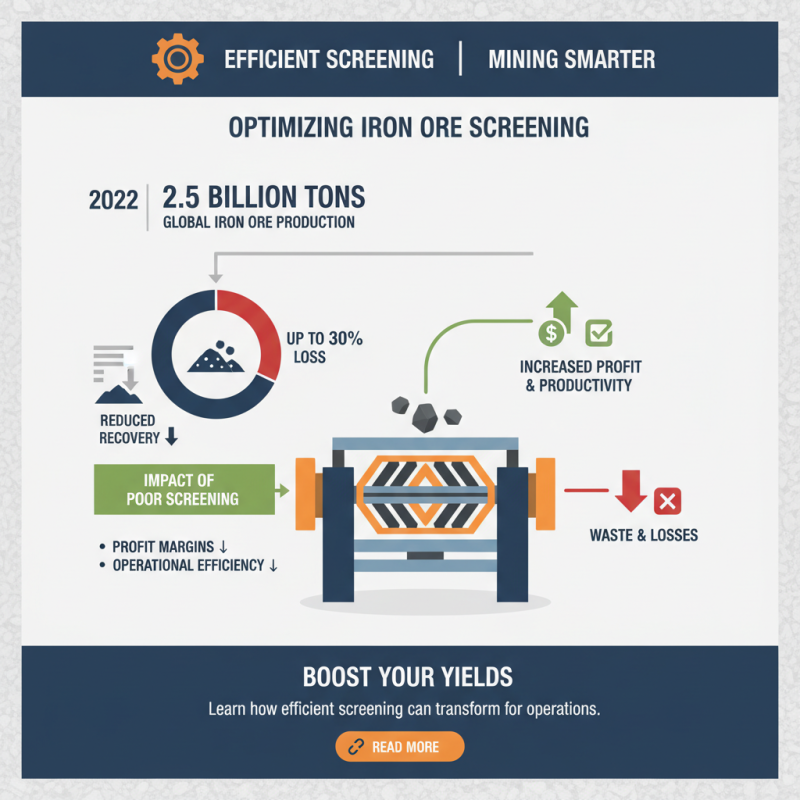
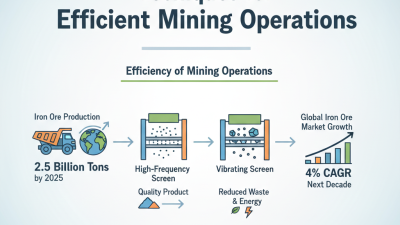
Efficient iron ore screening plays a crucial role in mining operations. In the global market, iron ore production reached 2.5 billion tons in 2022, highlighting the industry's scale. Inefficient screening can lead to significant losses. A study indicates that poor screening can reduce iron recovery rates by up to 30%. This not only affects profit margins but also impacts operational efficiency.
Optimize screening by considering material characteristics, such as size and shape. Choosing the right screen type can enhance separation efficiency. Consider that screens with higher capacity can sometimes lead to oversize material slipping through. Testing multiple methodologies may reveal weaknesses in the current process.
Tips: Regularly maintain screening equipment. Clogged screens can lead to decreased flow rates. Train staff to recognize early signs of screening issues. Monitor performance metrics closely. Small adjustments can lead to improved outcomes. Failing to address these can hinder potential gains. It’s essential to continuously reassess screening efficiency for a more productive mining operation.
Techniques for Enhancing Iron Ore Screening Efficiency
Optimizing iron ore screening is crucial for improving efficiency in processing. One effective technique involves adjusting the screen's inclination angle. A steeper angle can help in separating finer particles more effectively. Yet, if it's too steep, it may cause clogging. Monitoring the flow rate of ore on the screen is also essential. Too fast, and the separation quality decreases. Too slow, and you lose production time.
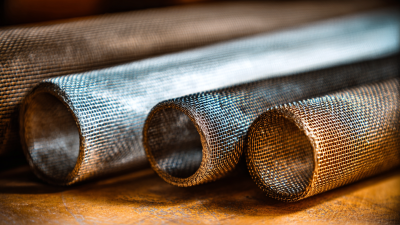
Another valuable method is using high-frequency screens. These screens vibrate at a high rate, which helps to dislodge fine material stuck in larger particles. However, this can lead to increased wear and tear, which must be taken into account. Implementing screen media changes can also yield better results. For example, switching from woven wire to modular polyurethane can enhance durability.
Involving operators in the optimization process is important. They can provide insights based on daily observations, but their feedback may sometimes reflect bias. Regular training sessions can help bridge that gap. Additionally, utilizing data analytics can guide screening adjustments. Yet, relying solely on data without practical input can lead to errors. Balancing technology with human expertise often results in the best outcomes.
Equipment Innovations in Iron Ore Screening Processes
In the iron ore industry, efficient screening processes are crucial. Innovations in equipment can transform operations. Techniques that enhance separation accuracy and throughput are becoming more accessible.
For example, modern screening machines now feature advanced vibration control. This improves particle movement on screens, resulting in better separation.
Incorporating new technologies requires careful evaluation. Operators need to understand how adjusting parameters impacts efficiency. Some technologies may increase energy usage without significant benefits. Regular maintenance is also essential to avoid unplanned downtimes. Striking a balance between speed and accuracy can be challenging.
Tips: Always monitor the performance of screening equipment. Implementing regular training sessions for operators can lead to improved results. Gathering feedback from on-site staff helps refine processes. Test different screen configurations to find the most effective setup. Keep an eye on emerging technologies that could offer more solutions.
Best Practices for Maintenance and Operation of Screening Equipment
Optimizing iron ore screening requires a keen focus on maintenance and operation practices. Regular inspections are vital. Studies show that over 25% of unscheduled downtime arises from equipment failures. A proactive approach can mitigate these concerns. Operators need to check screens for wear and tear. If screen panels show significant wear, replacing them promptly is essential.
Another effective strategy is to regularly calibrate the screening equipment. Calibration ensures consistent performance. Industry reports indicate that miscalibrated machines can lead to more than 15% inefficiency. Adjusting the incline and vibration settings can enhance throughput. Operating at optimal settings reduces energy consumption significantly. Often, operators overlook the impact of vibration frequency on screening efficiency.
Training staff on best practices is often neglected. Workers should understand the machinery and the flow of materials. Proper training helps in quickly identifying issues. Regular feedback sessions could improve operational efficiency. Additionally, using metrics to track performance can reveal areas needing attention. Implementing a routine maintenance schedule based on these insights is crucial. Science supports that well-maintained equipment operates up to 30% more efficiently.
 No. 14, Building 2, No. 367 Beijing Road, Chengdu Economic and Technological Development Zone (Longquanyi District)