What is a Pu Screen Panel and How is it Used?
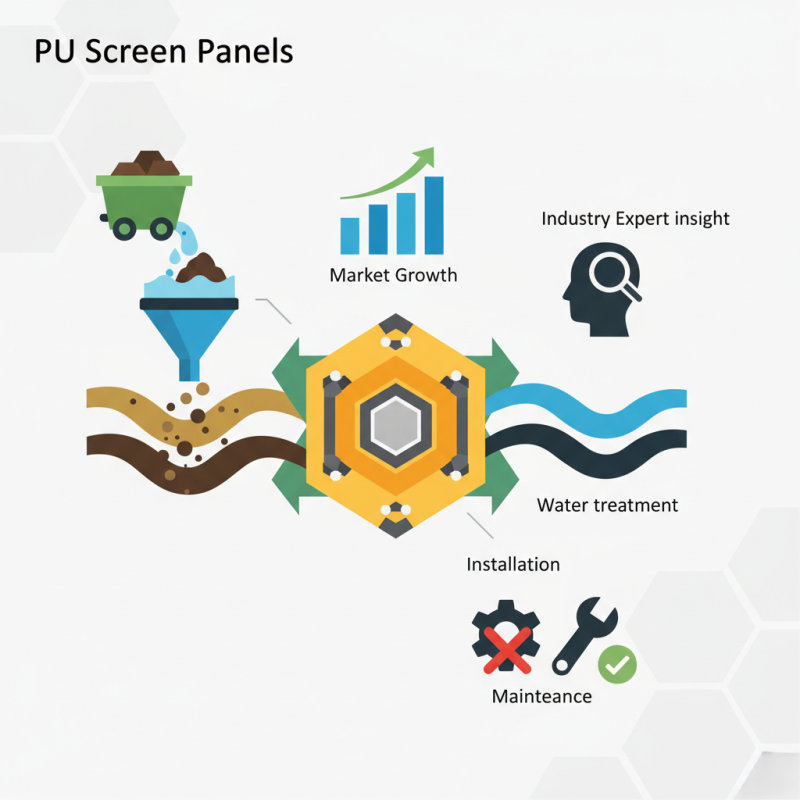
The Pu Screen Panel is a vital component in various industrial applications, particularly in filtration and separation processes. According to a report by MarketsandMarkets, the global market for polymer screen panels is expected to grow significantly, reaching USD 1.5 billion by 2026. This growth underscores the importance of materials like polyurethane, which offer durability and flexibility in harsh environments.
Industry expert John Carter, a leading figure in filtration technology, emphasizes the significance of Pu Screen Panels, stating, "These panels provide enhanced performance and efficiency in material separation tasks." The versatility of Pu Screen Panels makes them adaptable to different industries, including mining, oil, and water treatment.
Despite their advantages, some challenges exist. For instance, improper installation can lead to premature wear and reduced performance. Understanding these factors can lead to better outcomes. As companies adopt Ni-resistant materials, they must also evaluate their current practices. The role of Pu Screen Panels in these processes cannot be overstated, highlighting both their potential and the need for careful implementation.
What is a Pu Screen Panel?
A PU screen panel is a specialized material used mainly in construction and industrial applications. It's made of polyurethane, which offers flexibility and durability. This makes the panels effective for various uses, including filtering, drainage, and protection.
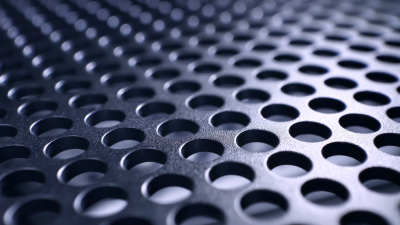
The design of a PU screen panel often includes a grid-like structure. This allows for effective airflow and fluid management. In construction sites, these panels serve an essential role. They can be used to separate materials or protect equipment from debris. However, the installation can be tricky, and not all panels fit every situation.
Despite its benefits, a PU screen panel can also present challenges. The material may not be suitable for extreme temperatures. Also, its durability can vary based on environmental factors. Users need to assess their requirements properly. Selecting the right panel involves careful consideration of the specific application.
What is a Pu Screen Panel and How is it Used?
| Dimension |
Material |
Usage |
Advantages |
Common Applications |
| 1m x 2m |
Polyurethane |
Mining |
Durability |
Mineral processing |
| 1.5m x 3m |
Polyurethane |
Construction |
Lightweight |
Concrete mixing |
| 2m x 4m |
Polyurethane |
Agriculture |
Chemical resistance |
Soil separation |
| 1.2m x 2.5m |
Polyurethane |
Waste management |
Flexible |
Filtration systems |
Composition and Materials Used in Pu Screen Panels
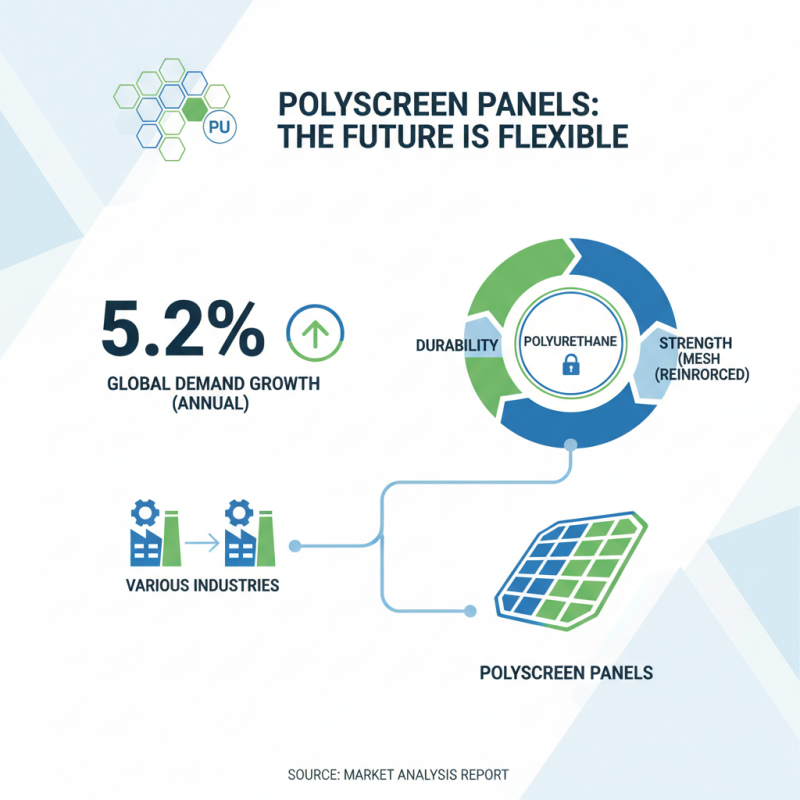
Pu screen panels are gaining popularity in various industries. These panels are primarily made from polyurethane, known for its durability and flexibility. The composition often incorporates mesh materials for strength. According to a market analysis report, the global demand for polyurethane products is expected to grow by 5.2% annually.
The materials utilized in PU screen panels significantly enhance their performance. High-density polyurethane provides resistance against wear and tear. In contrast, other components like fiberglass or stainless steel mesh can improve filtering efficacy. A study revealed that panels made from these combinations can last up to 3 times longer than traditional materials.
**Tip:** When selecting PU screen panels, consider your specific needs. Compatibility with various industrial applications is crucial. Selecting the wrong material can lead to inefficiencies.
Even with advanced materials, challenges remain. Manufacturers must often balance cost with quality. Sometimes, cheaper materials compromise longevity. Such trade-offs can be detrimental in the long run, affecting productivity. Understanding the right composition for your needs can save future headaches.
Applications of Pu Screen Panels in Various Industries
Pu screen panels have found extensive applications across various industries, thanks to their versatility and durability. In the construction sector, these panels serve as essential components in filtration systems. According to a recent report from the International Filtration Society, the demand for efficient filtration solutions is rising, with the market projected to grow by 6% annually over the next five years. Pu screen panels play an integral role in ensuring optimal separation processes.
In the mining industry, Pu screen panels are crucial for sieving minerals. Their robust design allows them to withstand harsh conditions while maintaining high efficiency. A 2022 industry analysis highlighted that the use of polyurethane in mining projections can improve throughput by 30%. This is significant as mines continue to optimize resource extraction methods.
Tips: When choosing a Pu screen panel, consider the specific application requirements. Factors such as abrasion resistance and mesh size are vital for performance.
In the recycling industry, these panels are used to separate materials effectively. A survey by the Global Recycling Coalition reveals that proper sorting increases recycling rates by up to 50%. However, not all Pu panels perform equally. Regular assessments are needed to ensure effectiveness, which often gets overlooked during busy operations.
Tips: Regular maintenance checks help in identifying wear and tear, which can prevent costly downtimes.
Advantages of Using Pu Screen Panels
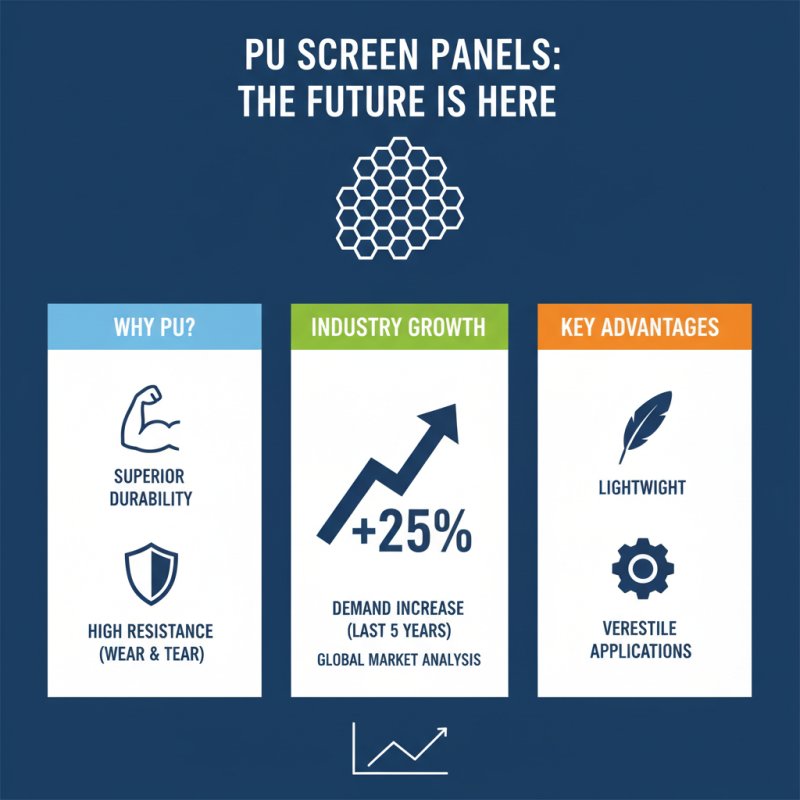
Pu screen panels have gained popularity in various industries due to their many advantages. These panels, made from polyurethane, offer superior durability compared to traditional materials. According to a report by the Global Screen Panel Market Analysis, the demand for PU panels has increased by over 25% in the last five years. This growth is driven by their lightweight nature and high resistance to wear and tear.
One significant benefit of using PU screen panels is their ability to maximize efficiency. They can handle a variety of materials effectively, which reduces downtime in operations. For instance, PU panels have been shown to improve filtration rates by up to 30%, allowing for increased productivity. Their ease of installation also contributes to lower operational costs. However, some users report challenges with proper maintenance. While the initial setup is straightforward, ongoing care is essential to maintain their performance and longevity.
Another point to consider is environmental impact. PU panels are often more eco-friendly than alternatives, as they can be recycled. A recent study showed that up to 70% of PU materials can be reused in manufacturing. Nonetheless, awareness regarding disposal methods remains a concern. Companies must educate their teams about sustainable practices. Proper disposal is critical to ensure these materials do not contribute to environmental issues.
Installation and Maintenance of Pu Screen Panels
Installing a PU screen panel requires careful preparation. Ensure that the installation area is clean. Measure the dimensions accurately before cutting. If not done correctly, it can lead to gaps. These gaps can cause inefficiencies and reduce durability.
When mounting the panel, use appropriate fasteners. Keep them secure to avoid any loose parts. Don’t rush through this step; it’s crucial for panel stability. Inspect the area for any potential obstructions. This will aid in a smoother installation.
Maintenance is equally important. Regular inspections can prevent issues. Look for signs of wear and tear. Minor damages should be fixed immediately. Waiting can lead to bigger problems. Cleaning the panels should be done with mild soap and water. Harsh chemicals can damage the surface. Keeping your PU screen panel in good shape prolongs its life.
Usage of PU Screen Panels in Different Industries
 No. 14, Building 2, No. 367 Beijing Road, Chengdu Economic and Technological Development Zone (Longquanyi District)