Top Tips for Sourcing Fine Mesh Metals Efficiently?
Sourcing fine mesh metals is a critical aspect of many industries, from construction to manufacturing. The demand for these materials has increased significantly due to their versatility and effectiveness. However, finding high-quality fine mesh metals can be a challenge. Effective sourcing requires a clear approach and an understanding of the market.
One must consider various factors, such as material specifications, supplier reliability, and price. High-quality fine mesh metals are not just a commodity; they are essential components in many applications. By knowing what to look for, you can make informed decisions. It is not just about the cost, but also about performance and durability.
Reflecting on past experiences can reveal pitfalls in sourcing strategies. Many companies face challenges when they overlook the importance of supplier relationships. A reliable supplier can make a significant difference in securing quality fine mesh metals. Being mindful of these elements can lead to more efficient sourcing. Each step in the process matters and warrants attention.
Understanding Fine Mesh Metals: Definitions and Applications
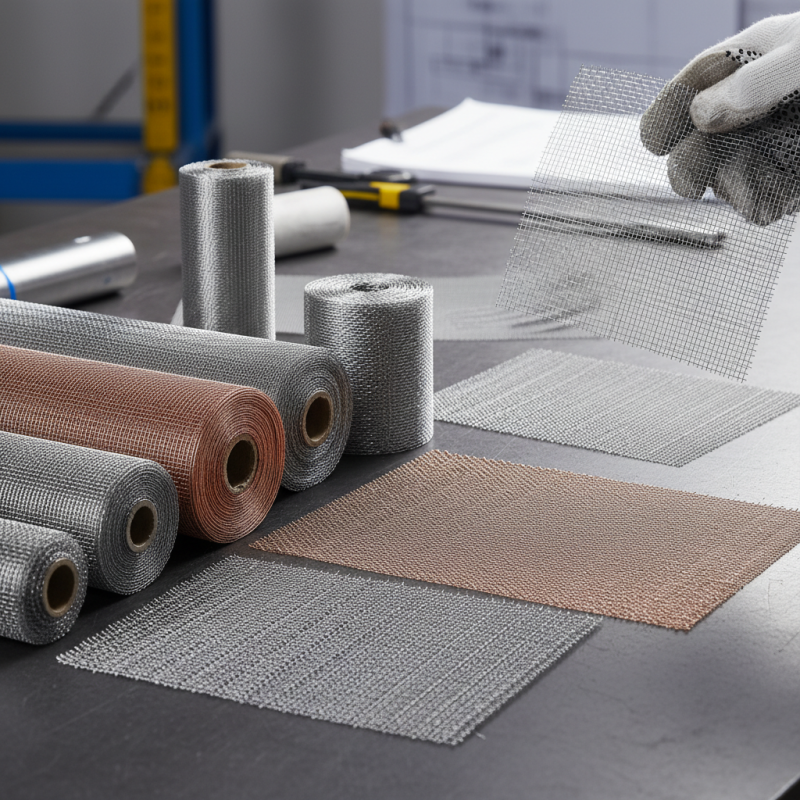
Fine mesh metals are crucial in various industries. They serve applications like filtration, separation, and even architecture. Understanding their definitions helps businesses source them effectively. Fine mesh is typically classified by the size of the openings in the material. Mesh sizes can range from very fine, capturing tiny particles, to coarser options for larger items. This range allows manufacturers to choose the right mesh for their needs.
In filtration systems, fine mesh metals ensure high efficiency. They can trap unwanted particles while allowing desired substances to pass through. In food processing, for instance, these metals ensure product purity. However, sourcing high-quality fine mesh metals can be tricky. Sometimes, suppliers may not offer consistent quality. It's essential to verify the specifications provided. Checking material certifications helps in maintaining reliability.
Quality control is another critical aspect. Testing samples from potential suppliers can reveal inconsistencies. Engaging with industry experts can provide insights into sourcing challenges. Their experiences in the field offer valuable guidance. It's wise to remain skeptical and question your sources to ensure the final product meets your standards.
Top Tips for Sourcing Fine Mesh Metals Efficiently
| Dimension |
Material Type |
Mesh Size (Microns) |
Application |
Cost per Square Foot ($) |
| 0.5 mm |
Stainless Steel |
500 |
Filtration |
25.00 |
| 1.0 mm |
Aluminum |
1000 |
Screening |
15.00 |
| 0.25 mm |
Bronze |
250 |
Sifting |
30.00 |
| 0.75 mm |
Carbon Steel |
750 |
Construction |
20.00 |
| 1.5 mm |
Brass |
1500 |
Architectural |
28.00 |
Key Industries Utilizing Fine Mesh Metals: Market Data and Trends
Fine mesh metals play a critical role across various industries, including aerospace, pharmaceuticals, and food processing. The ability to filter particles and facilitate airflow makes these materials invaluable. In the aerospace sector, fine mesh metals enhance fuel efficiency and safety. They also find applications in the pharmaceutical industry, where precision filtering is essential for drug production. In food processing, these metals ensure product purity.
One key tip for sourcing fine mesh metals efficiently is to assess the specifications required for your project. Analyze your filtering needs based on particle size and material compatibility. Work closely with suppliers who can provide detailed information about their products. Understanding these parameters can streamline your sourcing process.
Another recommendation involves evaluating the latest market trends. Staying updated on industry demands allows you to anticipate changes. Emerging sectors may require specific mesh designs or materials. Engaging with professionals through industry forums can also yield insights on innovative solutions and best practices. This exchange of information is vital for making informed sourcing decisions.
Sourcing Strategies: Where to Find Reliable Fine Mesh Metal Suppliers
When sourcing fine mesh metals, start by identifying potential suppliers. Online marketplaces often showcase a variety of options. Look for suppliers with good reviews and experience. Platforms that focus on industrial materials can also be beneficial. Make sure to check their credibility through third-party endorsements or testimonials.
Another effective strategy is to attend industry trade shows or exhibitions. These events allow you to meet suppliers face-to-face. It’s a chance to inspect material quality first-hand. Conversations can lead to better understanding and trust. Consider joining industry groups on social media. Networking can reveal reliable sources others have successfully used.
Don't forget to ask about their sourcing processes. Understanding how a supplier acquires their materials can provide insights into quality. Transparency is crucial. If a supplier hesitates to share this information, it may be a red flag. Building a strong relationship with a supplier takes time and effort. Regular communication is key to ensuring ongoing quality and service.
Top Tips for Sourcing Fine Mesh Metals Efficiently
Evaluating Quality: Key Specifications and Standards for Fine Mesh Metals
When sourcing fine mesh metals, it's crucial to evaluate their quality. Key specifications include aperture size, wire diameter, and tensile strength. According to a report by the Institute of Materials, an ideal mesh typically features an aperture size ranging from 5 to 500 microns. This range ensures precise filtration in various applications.
Tensile strength is another essential criterion. A study from the International Journal of Metal Science emphasized that materials with tensile strengths above 400 MPa are preferable for heavy-duty applications. Additionally, ensure the mesh complies with industry standards like ASTM or ISO for consistency and quality assurance.
Testing performs a critical role in verifying these specifications. It's advisable to conduct independent assessments of materials prior to purchase. Remember, not every supplier adheres to the highest standards. Inspecting certification and test results can help avoid subpar materials that don't meet your criteria. Implementing rigorous evaluation processes often uncovers discrepancies that could affect performance later on.
Cost Considerations: Budgeting for Fine Mesh Metal Procurement
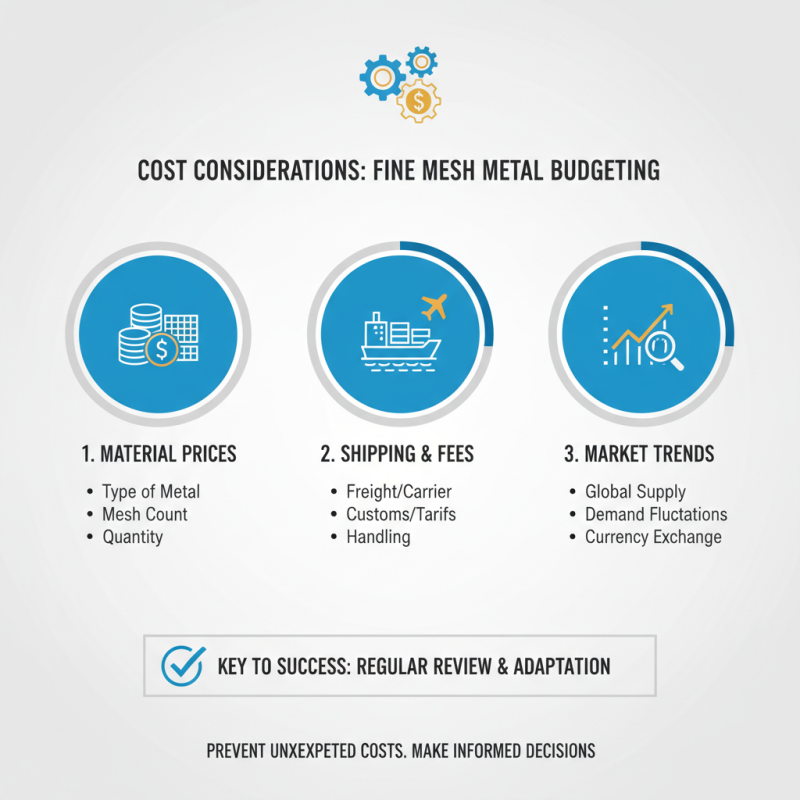
When sourcing fine mesh metals, budgeting plays a crucial role. Careful planning can prevent unexpected costs. A well-structured budget should account for material prices, shipping fees, and potential tariffs. Regularly review market trends. Prices for metals fluctuate based on global demand and supply. Staying informed can lead to better procurement decisions.
Consider the total cost of ownership, not just the upfront expense. Sometimes, cheaper options may lead to higher long-term costs due to quality issues. Prioritize quality over the lowest price. Investing in durable materials may save money in the future. Seek suppliers that provide transparency in pricing. They should explain any extra fees and delivery charges.
Evaluate your suppliers regularly. Relationships can affect pricing. Building strong ties can lead to better deals and priority service. However, be aware of over-reliance. If a supplier fails, your project can face delays. Maintain a roster of backup suppliers to mitigate risks. Balancing cost efficiency with quality is essential for successful procurement.
 No. 14, Building 2, No. 367 Beijing Road, Chengdu Economic and Technological Development Zone (Longquanyi District)