How to Choose Mdi Pu Tension Screen for Your Needs?
Choosing the right Mdi Pu Tension Screen for your needs can be a daunting task. Industry expert John Smith states, "Selecting the right screen enhances efficiency and productivity." This highlights the importance of making informed choices in this area.
When evaluating Mdi Pu Tension Screens, consider your specific requirements. Screen size, material, and tension level all play crucial roles. You might think size is the most critical factor, but it is essential to assess how the screen fits into your existing setup. Ignoring this might lead to inefficiencies.
Moreover, durability and maintenance impact long-term performance. Screens can wear out quickly if not matched to the right application. Researching the correct specifications is vital. A common oversight is underestimating the tension needed for various applications. Reflecting on these factors can save time and resources in the long run.
Understanding MDI PU Tension Screens and Their Applications
MDI PU tension screens are essential in various industries. They are often used in the construction, agriculture, and recycling sectors. These screens help in separating materials efficiently. Their unique properties make them suitable for different applications.
One of the key advantages of MDI PU tension screens is their durability. They can withstand harsh conditions. However, not all screens perform equally in every environment. The sizing and mesh specifications matter greatly. Choosing the right screen requires some understanding of your specific needs. Consider the type of materials you are working with.
Noise levels can sometimes be an overlooked factor. Some MDI PU tension screens might create excess noise during operation. This can be annoying in quiet environments. It’s important to evaluate the working conditions. Invest time in comparing options. Test different types if possible, as results can vary significantly. Pay attention to feedback from actual users too. This insight can guide better choices.
Key Factors to Consider When Selecting MDI PU Tension Screens
When selecting MDI PU tension screens, several key factors come into play. Understand the specific application for which the screen will be utilized. Is it for construction or a more delicate environment? The material's durability often influences performance. A robust screen may work well in rugged conditions, but it might not be suitable for finer tasks.
Consider the mesh size as well. A smaller mesh can filter finer materials but may require more maintenance. Heavy-duty screens can handle larger debris but might clog quicker. Weigh the pros and cons of each type. Sometimes, a balance is needed rather than a perfect choice.
Think about installation ease. Some screens are designed for quick setup while others may demand more time and resources. Additionally, factor in the cost. A cheaper option might seem appealing but ask if it meets your needs long-term. Always reflect on your unique requirements, as this will guide your selection process.
Types of MDI PU Tension Screens Available in the Market
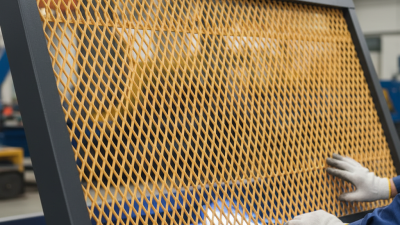
When selecting an MDI PU tension screen, understanding the types available is essential. Common varieties include woven screens, which offer flexibility and resilience. These screens are made from durable materials, allowing for effective filtration and sieving. They are suitable for various industries, including mining and food processing. Another popular type is perforated screens. These screens feature a series of holes that enhance efficiency. They help in sorting materials with precision.
With these options, consider your specific needs. Woven screens may not suit high-impact applications. They are ideal for gentle materials. Perforated screens provide durability but can be heavy. Their weight might increase operational costs. Assess the material type and the size of the mesh. Smaller mesh may catch finer particles but may also lead to clogging.
Do not rush into a decision. Each type has its strengths and weaknesses. It’s crucial to reflect on your operational requirements. Ask yourself how often you'll need maintenance. If your application is demanding, that may be a significant factor. Pay attention to the balance between efficiency and longevity. The right choice aligns with your practical needs and budget.
Comparing MDI PU Tension Screens with Other Screen Types
When selecting MDI PU tension screens, it’s essential to compare them with other types. Each screen type offers unique benefits and drawbacks.
MDI PU tension screens are known for their durability and flexibility. They can handle varying pressures and are resistant to wear. This makes them a solid choice for diverse applications.
In contrast, other screen types may excel in different areas. For example, wire mesh screens are great for high-temperature environments. However, they may not provide the same level of flexibility.
Plastic screens can be lightweight and cost-effective, but they often lack longevity. It's important to evaluate what your specific needs are before making a choice.
Some might overlook their environment’s demands. Factors like moisture and temperature can really impact the effectiveness of the screens. Additionally, installation can present challenges. Ensuring a proper fit is crucial to prevent damage and maximize performance. Yet, many underestimate this aspect, leading to costly mistakes. Careful consideration will guide you toward the best decision.
Maintenance and Care Tips for MDI PU Tension Screens
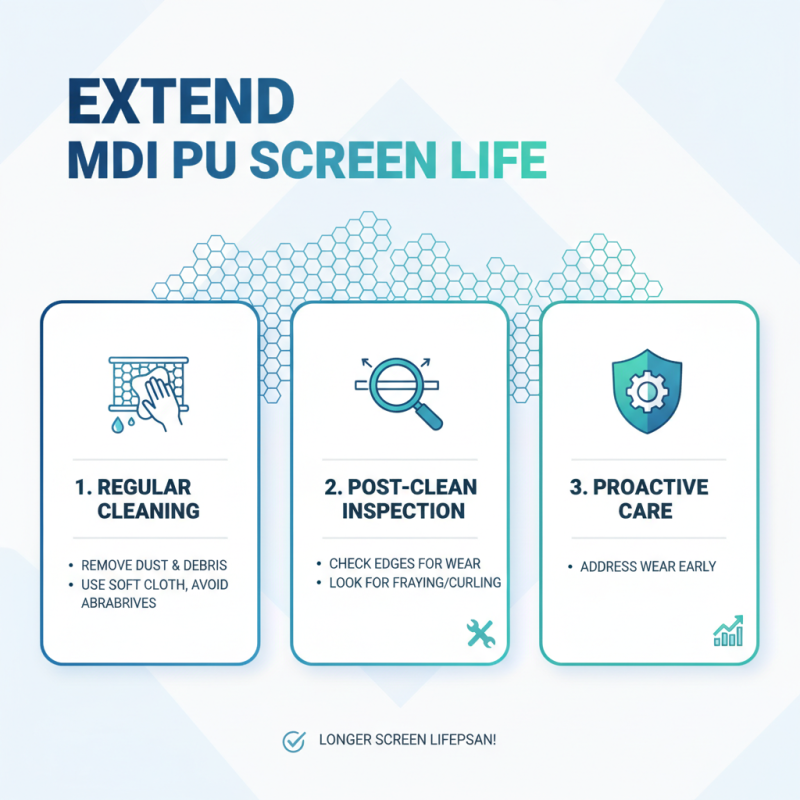
Maintaining MDI PU tension screens can extend their lifespan significantly. Regular cleaning is essential to remove dust and debris. Use a soft cloth to gently wipe the surface. Avoid abrasive materials as they can damage the screen. After cleaning, inspect the edges for signs of wear. Fraying or curling edges may require attention.
Temperature and humidity can impact the material's durability. Store screens in a cool, dry place when not in use. Too much moisture can lead to mold growth, requiring further cleaning. While most screens are weather-resistant, consider using protective covers for prolonged outdoor use. Regular maintenance can prevent unexpected damages, but keep in mind that some wear and tear is inevitable over time.
If you notice any issues, address them quickly. Small tears can worsen if ignored. Replacement may be necessary for severely damaged screens. Reflecting on your care routine can help identify areas for improvement. Regular checks can save you time and money in the long run. Pay attention to details, and you will enjoy the performance of your screens for longer.
 No. 14, Building 2, No. 367 Beijing Road, Chengdu Economic and Technological Development Zone (Longquanyi District)