How to Choose the Right Mdi Pu Tension Screen for Your Needs?
Choosing the right Mdi Pu Tension Screen is crucial. This decision can impact your operations significantly. Factors like size, material, and application matter greatly. A perfect match enhances efficiency.
Understanding your specific needs is the key. Each project has unique requirements. Sometimes, trial and error may reveal flaws in your choice. Don’t rush; reflection is important.
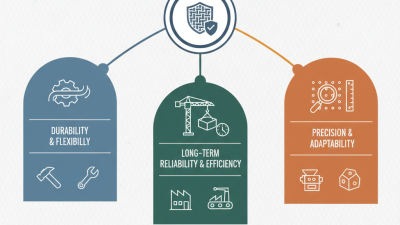
Mdi Pu Tension Screens come in various styles. Different industries benefit from different features. Pay attention to durability and flexibility. These aspects can change your experience for better or worse. Finding the right fit involves careful consideration.
Understanding Mdi Pu Tension Screens and Their Applications
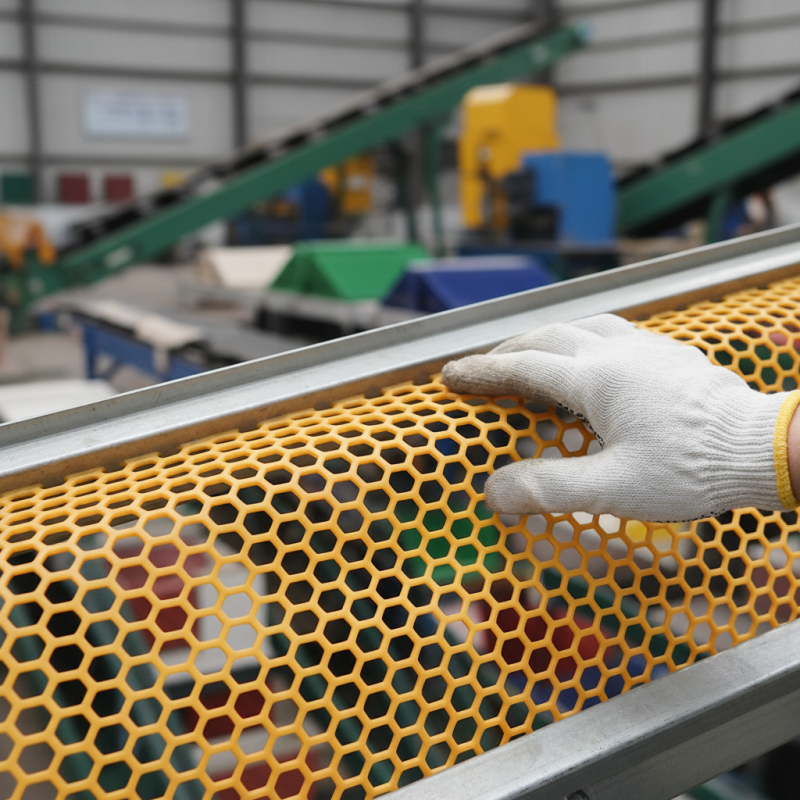
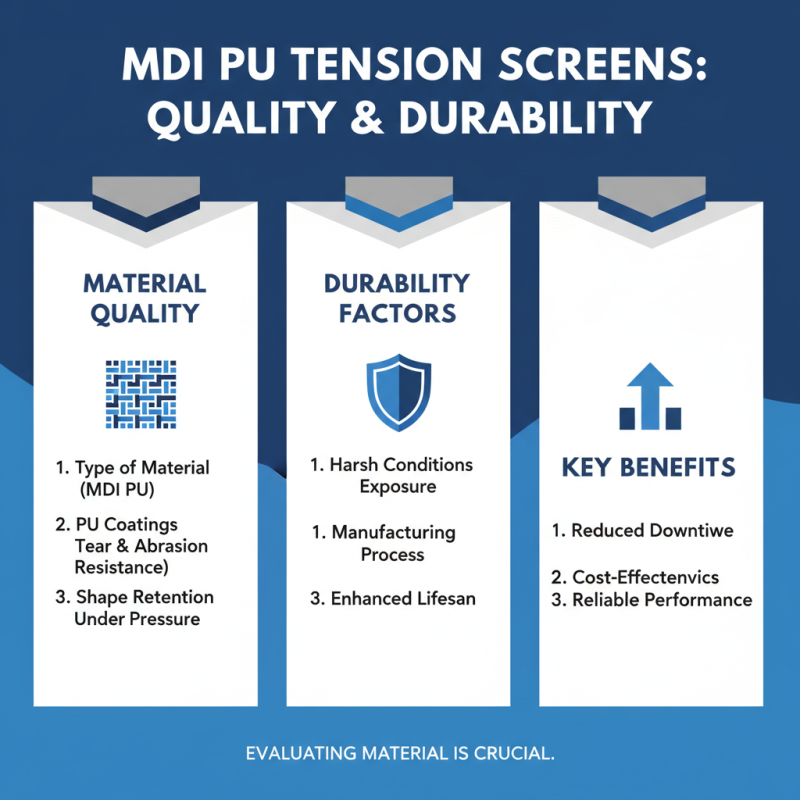
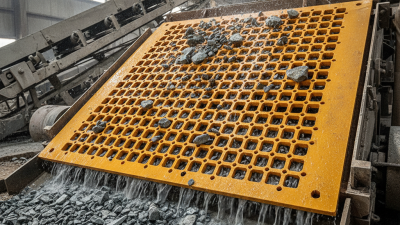
Mdi PU tension screens are essential in various industries, particularly in filtration and separation processes. These screens are versatile and can be tailored to specific applications. Understanding their construction helps in making informed choices. Typically, they consist of a flexible body made of polyurethane, providing durability and resistance to wear and tear. The mesh openings vary in size, impacting both the flow rates and the type of particles that can be filtered out.
In applications like mining, food processing, and wastewater treatment, Mdi PU tension screens play a crucial role. They help maintain the efficiency of operations while ensuring product quality. For instance, in a food processing plant, the right screen can prevent contamination and enhance safety. However, choosing the wrong screen can lead to inefficiencies and increased downtime. It’s important to consider factors like mesh size, tensile strength, and chemical resistance when selecting. Sometimes, the process requires trial and error to find the perfect match.
Many users overlook the importance of regular maintenance for these screens. Minor damages can lead to significant issues if not addressed promptly. Reflecting on past experiences helps in identifying the right maintenance schedule. In certain cases, adjustments to installation can improve overall performance. Each application is unique, so understanding these nuances can make a considerable difference.
Key Factors to Consider When Choosing an Mdi Pu Tension Screen
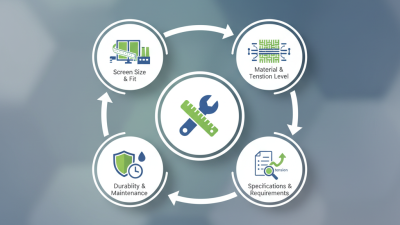
When selecting an MDI PU tension screen, consider various key factors. Start with the application. What is the screen's purpose? Understanding this helps narrow your options. Different materials and designs suit different needs. Check the mesh size and material strength. A finer mesh provides better separation, while a robust material ensures durability.
Think about the environment it will operate in. High-temperature and high-pressure situations require specially designed screens. Ensure compatibility with your existing machinery. An ill-fitting screen can cause operational issues.
Budget is another crucial aspect. Higher quality often means higher costs. However, investing in durable options may save money long-term. It can reduce replacement frequency. Don’t forget to evaluate manufacturer reviews. They provide insights into performance and reliability. Reflect on these factors seriously. Choose wisely to avoid future headaches.
How to Choose the Right Mdi Pu Tension Screen for Your Needs?
| Factor |
Description |
Importance Level |
Recommended Specifications |
| Material |
Consider durability, flexibility, and resistance to chemicals. |
High |
PU (Polyurethane) with a minimum thickness of 1.5 mm |
| Mesh Size |
Affects the type and size of material that can be processed. |
Medium |
Choose between 20-200 microns depending on application |
| Tensioning System |
Determines how well the screen will maintain consistence. |
High |
Preferably a hydraulic or mechanical tensioning system |
| Size and Dimensions |
Should fit perfectly within existing machinery. |
High |
Standard sizes typically range from 1m x 1m to 3m x 3m |
| Compatibility |
Check if the screen material is compatible with the materials processed. |
Medium |
Ensure compatibility with chemicals and particles involved |
Sizing and Fit: How to Measure for the Right Tension Screen
Choosing the right tension screen involves careful measurement. Get your tools ready. A measuring tape is essential. Start with the width of the area where the screen will fit. Measure from one end to the other. This step is crucial. Accurate measurements ensure a perfect fit.
Next, measure the height. Check from the top to the bottom. Consider any obstructions like walls or furniture. Be thorough; a small error can lead to issues later. Don't rush this process. It’s better to double-check than to guess. Small mistakes can become big problems.
Finally, consider the screen's intended use. Will it endure wind or heavy sun? Reflect on your needs. Sometimes, what looks right isn’t functional. Think about the material too. Different options provide various benefits. Your choice should cater to your specific environment. Take your time with these decisions.
How to Choose the Right Mdi Pu Tension Screen for Your Needs?
This chart demonstrates the ideal tension screen size based on different screen dimensions and their respective suitable areas:
Installation and Maintenance Tips for Optimal Screen Performance
When installing an MDI PU tension screen, proper placement is crucial. Ensure the screen fits snugly in the frame, avoiding any gaps. Misalignment can lead to issues like vibration and poor performance. It’s essential to follow the manufacturer's guidelines closely during this process. Take your time. Rushing may result in errors that could affect screen efficiency.
Regular maintenance is key to optimizing performance. Inspect the tension screen routinely for any signs of wear or damage. Simple checks can prevent more significant problems later. Clean the screen surface regularly to avoid debris buildup. Dust and dirt can impair functionality and lead to repairs. If you notice irregularities, such as unusual vibrations, it might be time to reassess the installation.
Pay attention to the screen tension regularly. Insufficient tension can lead to material sagging, disrupting production. On the other hand, excessive tension may reduce the lifespan of the screen. This balance is tricky. It may take several attempts to get it just right, so don’t hesitate to document your observations for future reference.
 No. 14, Building 2, No. 367 Beijing Road, Chengdu Economic and Technological Development Zone (Longquanyi District)