No. 14, Building 2, No. 367 Beijing Road, Chengdu Economic and Technological Development Zone (Longquanyi District)
The Mdi Pu Tension Screen sector is crucial for various industries, including mining and construction. With increasing demand, choosing the right supplier can significantly impact operational efficiency. According to industry expert Dr. Liu Wei, "Quality in Mdi Pu Tension Screen not only enhances performance but also reduces downtime." His insights underscore the need for professionalism in selecting a supplier.
China houses several leading Mdi Pu Tension Screen suppliers. Each presents unique advantages and challenges. Analyzing the top ten is essential for making informed choices. Market dynamics constantly change, with emerging suppliers seeking to establish credibility. This evolution prompts manufacturers to reflect on their current partnerships and explore new options.
While many providers offer quality products, not all match international standards. A critical assessment of their offerings is necessary. In this competitive landscape, businesses must prioritize both quality and reliability. Navigating this market requires diligence. The stakes are high, as poor choices can lead to setbacks and increased costs.
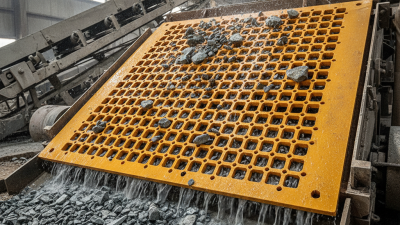
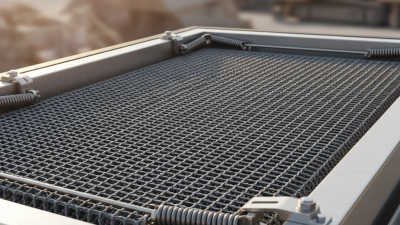
MDI PU Tension Screens have gained significant attention in various industries. These screens are designed using methylene diphenyl diisocyanate (MDI) polyurethane. This material offers excellent tension strength, durability, and flexibility. The applications of these screens are vast, ranging from mining to construction. They are particularly effective in filtering, separating, and sorting materials.
The unique properties of MDI PU screens enable them to withstand harsh environmental conditions. Their resilience makes them suitable for heavy-duty uses. However, not all manufacturers meet the same quality standards. Buyers often struggle to find reliable suppliers that provide consistent performance. It is crucial for industries to assess material quality and production methods. This ensures that the screens used will last longer and reduce maintenance costs.
Additionally, the effectiveness of MDI PU tension screens can vary widely based on design and construction. Some screens may fail under extreme conditions. This highlights the importance of thorough testing and quality control in production. Industries must prioritize finding suppliers that demonstrate expertise and credibility. Investing time in research can lead to better product choices and ultimately enhance operational efficiency.
MDI PU tension screens are becoming crucial in various industries. Their lightweight yet durable composition makes them ideal for high-stress applications. According to recent market reports, the demand for these screens has surged by 15% annually.
In mining and construction, these screens offer excellent performance. They increase efficiency, minimize downtime, and reduce maintenance costs. Reports indicate that companies using MDI PU screens experience a 20% increase in production rates. This improvement showcases their effectiveness in harsh environments.
However, not all suppliers can meet industry standards. Quality varies significantly, which can lead to performance issues. Some manufacturers focus on cost-cutting, compromising screen integrity. This calls for careful evaluation of suppliers to ensure reliability. A thorough inspection and assessment process can help mitigate these risks. Proper guidance and expertise are essential in selecting the right screen for specific applications.
When selecting reliable suppliers for MDI PU tension screens, it’s important to focus on key criteria. Expertise in MDI PU technology is vital. Suppliers should possess years of experience in producing high-quality tension screens. A deep understanding of materials and manufacturing processes can greatly affect product performance.
Next, consider the quality control measures in place. Suppliers should demonstrate rigorous testing standards. Certifications and quality assurance protocols indicate dependability. Potential suppliers must provide evidence of their production capabilities and past success in the industry.
Additionally, evaluate the supplier’s customer service and communication. Timely responses and support can significantly affect your supply chain. Engaging with suppliers through visits or calls can reveal their commitment to service. While many suppliers might advertise excellence, it's essential to look beyond the surface. Recognizing subtle flaws in their offerings can provide valuable insights.
The MDI PU tension screen market in China is rapidly evolving. A report by ResearchAndMarkets highlights that the demand for high-quality tension screens is increasing. Analysts estimate a compound annual growth rate (CAGR) of 5.6% in the next five years. This growth is driven by the rising need for durable and efficient screening solutions in the mining and construction sectors.
Numerous suppliers offer MDI PU tension screens, each with a unique value proposition. Industry reports show that factors like raw material quality, manufacturing technology, and customer service greatly impact supplier reputation. Some suppliers may promise high performance but fail to deliver in critical areas, leading to customer dissatisfaction. This gap emphasizes the importance of thorough supplier evaluation.
Moreover, the competitive landscape shows that not all suppliers meet international standards. Some struggle with consistent quality control. Buyers should be cautious and conduct detailed assessments before making purchasing decisions. Quality and reliability are paramount in this industry. Industry insights suggest that engaging with suppliers who focus on innovation and sustainability may yield better long-term results. Hence, the choice of supplier can significantly influence overall operational efficiency.
The MDI PU tension screen market in China is witnessing emerging trends that could shape its future. As industries seek greater efficiency, the demand for high-performance materials is on the rise. By 2025, the market is projected to grow at a compound annual growth rate (CAGR) of 8.4%. This trend reflects the increasing need for durability and cost-effectiveness in various applications, including construction and automotive sectors.
Investments in advanced manufacturing technologies are enhancing production capabilities. Companies focus on sustainability, adopting eco-friendly processes and materials. Reports indicate that nearly 40% of manufacturers are shifting to greener alternatives. This transition presents a challenge for others still reliant on traditional methods. Industry experts emphasize the necessity for supply chains to adapt and innovate accordingly.
Tips: Stay informed about the latest research and reports in this field. Consider diversifying suppliers to mitigate risks. Regularly review your sourcing strategies for alignment with market trends.