Leave Your Message

What Is an MDI PU Tension Screen Used For?

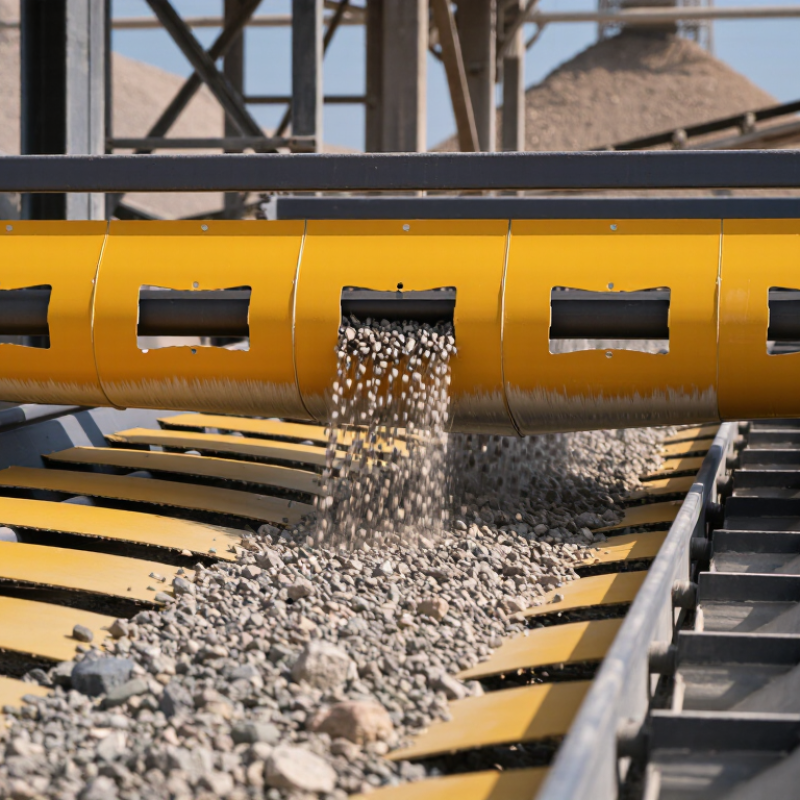
An MDI PU Tension Screen is designed to separate material by size on vibrating screening equipment. Its tensioned polyurethane surface supports repeated contact with rock, gravel, and other process materials. On a working deck, the panels flex as material passes across them. Smaller particles move through the openings; larger pieces continue toward the discharge end. The result is controlled classification, not simply a protective layer.

A screening specialist could describe the practical value this way: “[Insert a verified MDI PU screening expert’s name]: ‘A tensioned polyurethane screen must match the material, aperture, and operating conditions to perform reliably.’” This is proposed wording, not a verified quotation; confirm the expert and exact quote before publication. That distinction matters. Screen performance depends on more than panel material. Aperture shape, feed moisture, vibration, and installation tension all affect results. A mismatch may cause pegging, uneven wear, or reduced throughput. Small details count.

This introduction examines what an MDI PU Tension Screen is used for, where it fits in screening operations, and what buyers should assess before choosing one. It also considers wear life and maintenance, while avoiding the assumption that polyurethane suits every application. Sometimes it does not. Operators should compare actual feed conditions and equipment specifications, then review performance after installation. A screen can look right on paper and still disappoint on a wet, variable feed. That deserves a second look.

What Is an MDI PU Tension Screen Used For?

What an MDI PU Tension Screen Is

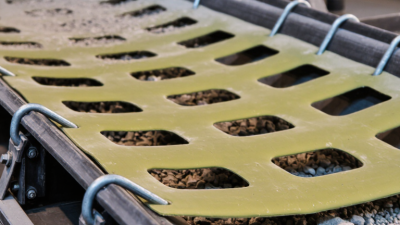
An MDI PU tension screen is a flexible polyurethane screen panel made with MDI-based chemistry. It is stretched across a vibrating screen deck and secured at the sides, often with tension hooks. The panel separates material by size as particles pass over its openings. It is screen media, not a complete screening machine.

The polyurethane surface can resist abrasion and reduce impact noise in many screening applications. Its flexibility may also help limit pegging, when damp or irregular particles lodge in the apertures. Performance depends on the opening shape, panel thickness, feed conditions, and correct tension. A panel that is too loose can wear unevenly; one detail that’s easy to miss.

Tips: Check the deck’s hook profile and panel dimensions before ordering. Match the aperture to the material you need to separate. Inspect tension and wear regularly, especially after installation. A quick visual check helps, but it cannot replace the equipment maker’s fit and maintenance guidance.

In practice, these screens are used for sizing or dewatering abrasive materials, including aggregates and minerals. They are often chosen where longer wear life or quieter operation matters. Still, polyurethane is not ideal for every feed. Heat, chemicals, moisture, and particle shape can affect service life, so test conditions and technical specifications matter.

How Its Polyurethane Surface and Tensioned Frame Work

An MDI PU tension screen is used to separate bulk materials by size, and sometimes to drain water. It is common in screening operations handling stone, sand, minerals, or recycled aggregates. The polyurethane surface forms the working face, with openings that let smaller particles pass while retaining larger ones. The exact result depends on aperture shape, feed conditions, and material moisture.

Polyurethane can resist abrasion from sharp, moving particles and may produce less impact noise than a comparable metal surface. It also flexes slightly under vibration. That movement can help release lodged particles, though it does not prevent every blockage. The tensioned frame holds the panel firmly across the screen deck. Correct tension keeps the surface stable as the machine vibrates and helps maintain a consistent screening area. Too little tension can cause movement and uneven wear; too much may stress the panel or its supports. Small details matter.

Tips: Check the deck dimensions, fastening method, aperture size, and feed characteristics before choosing a panel. Inspect edges and fixing points regularly. A panel may look usable while wear has already changed its openings. That is easy to overlook. Tension requirements vary by equipment, so follow the screen manufacturer’s specifications and adjust only when the machine is safely stopped.

How It Separates Materials by Particle Size

An MDI PU tension screen is used to sort a moving feed into size fractions. Its polyurethane surface is stretched across a support frame, with openings sized for the target cut. Material travels over the panel as the screen vibrates. Smaller particles can pass through the apertures; larger pieces continue toward the discharge end. The result depends on more than the opening size. Feed depth, vibration, moisture, and particle shape all affect how readily material reaches an opening. In a mineral-processing line, for example, damp fines may cling to coarse pieces and pass less consistently.

The screen is not a perfect sieve. Some near-size particles may pass, while others remain in the oversize stream, especially when the bed is thick or the apertures are partly blocked. That matters. Operators can compare samples from both discharge streams and inspect the panel for wear or stretched openings. A worn aperture may let larger particles through and shift the effective separation size. Tension also needs attention: too little can cause movement or uneven screening, while excessive tension may shorten panel life. There is no universal setup. A practical trial with the actual feed often reveals more than a specification sheet, though results still change as conditions vary.

What Is an MDI PU Tension Screen Used For?

How it separates materials by particle size

A tensioned polyurethane screen panel separates material according to its aperture size: smaller particles pass through, while larger particles remain on the deck. The chart shows an illustrative sample distribution, not product-performance data; actual results depend on the material, screen aperture, and operating conditions.

Where MDI PU Tension Screens Are Commonly Used

What Is an MDI PU Tension Screen Used For?

Where MDI PU Tension Screens Are Commonly Used

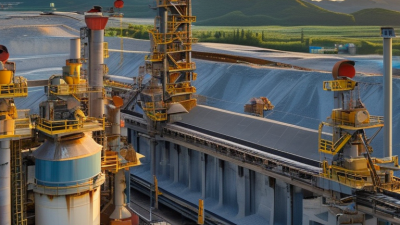
MDI PU tension screens are used to separate and size material in vibrating screens. They are common in mines, quarries, sand and gravel plants, and some recycling operations. Their flexible polyurethane surface can resist abrasion from sharp stone and repeated impact. In wet processing, screen openings help classify material or drain water from slurry. In dry plants, they sort crushed rock into product sizes. Wet or dry. The right panel depends on the feed.

The scale of aggregate processing helps explain their role. The U.S. Geological Survey’s Mineral Commodity Summaries 2024 estimated U.S. crushed-stone production at about 1.5 billion tons in 2023. That figure describes the industry, not screen-panel sales, but it shows how much material must be processed. Tensioned panels are often chosen where operators need wear resistance and a secure fit on a vibrating deck. Still, polyurethane is not a universal fix; fine blinding, heat, and poor tensioning can reduce performance.

Tips: Match the panel opening to the target size, and check feed moisture before changing the screen. Inspect hooks and tension regularly. A small gap can let material bypass the deck.

What Affects Screen Performance and Service Life

What Is an MDI PU Tension Screen Used For?

An MDI polyurethane tension screen is fitted to a screening deck to separate material by particle size. It is commonly used with aggregates and minerals where abrasion, impact, and repeated vibration challenge the screen surface. Its flexible panel can help manage wear, but results depend on the whole installation.

Aperture size and shape affect both sizing accuracy and throughput. Open area matters, too: a panel with smaller openings may retain more material than expected. Feed should spread across the deck rather than strike one spot. Uneven loading creates local wear. Small details matter. Moisture and sticky fines can partly block openings, while sharp particles may wear edges faster.

Correct tension and support are essential. A loose panel can flutter, fatigue, or let material bypass the intended screening area. Excessive tension may also shorten service life, so follow the screen and equipment specifications. Check clamps, support bars, and panel edges during routine inspections. Wear tells a story. A polished patch or stretched opening can point to poor feed distribution or a support problem, though not always. Record operating hours and inspect under consistent conditions; visual estimates alone can be misleading. Service life varies with feed characteristics, deck setup, operating load, and maintenance.

What Is an MDI PU Tension Screen Used For? - What Affects Screen Performance and Service Life
Factor or application Role or effect Practical consideration
Particle sizing and classification Separates bulk material into size fractions as it moves across a vibrating screen deck. Choose an aperture suited to the required cut size and the material’s particle-size distribution.
Scalping and screening Can remove oversize material or separate product fractions in suitable dry or wet screening duties. Match panel design and aperture to the feed, required throughput, and screening conditions.
Dewatering A suitably configured screen deck can drain water while retaining solids above the selected opening size. Drainage depends on aperture, open area, feed consistency, bed depth, and screen-deck setup.
Aperture size and shape Influences cut size, passage rate, blinding tendency, and the amount of material that can pass through the panel. Select the opening geometry for the material and separation goal; smaller openings may reduce throughput or increase blockage risk.
Open area The proportion of the panel available for material passage affects screening capacity and drainage. Balance open area with the strength and wear resistance needed for the duty.
Feed rate and bed depth Excessive loading can limit particle contact with the apertures and reduce separation efficiency. Spread feed evenly across the deck and keep loading within the screening system’s design capacity.
Moisture, clay, and sticky fines Wet or cohesive material can adhere to the panel or pack apertures, reducing effective open area. Monitor blinding and buildup; review feed conditioning, panel opening design, and cleaning practices where appropriate.
Particle abrasiveness and impact Hard, sharp, or high-impact particles can accelerate wear, particularly at feed points and other high-load areas. Inspect wear patterns and consider feed distribution, impact conditions, and panel thickness for the application.
Screen motion and operating conditions Vibration, stroke, frequency, and deck angle affect material transport and particle presentation to the apertures. Operate within the screen machine’s specified settings; unsuitable motion or loading can impair performance and increase stress.
Panel tension and installation Correct seating and tension help the panel remain secure and perform consistently under vibration. Use the deck’s specified fastening and tensioning method; check for looseness, gaps, damage, or uneven support.
Temperature and chemical exposure Heat and incompatible chemicals may affect polyurethane properties and shorten panel service life. Confirm material compatibility and allowable operating conditions for the specific screen panel and process.
Inspection and maintenance Early detection of wear, blocked apertures, damaged panels, and fastening issues helps prevent performance loss. Inspect regularly under safe maintenance procedures and replace panels when wear or damage compromises screening or retention.

Performance and service life vary with material properties, screen-machine settings, panel design, installation, and maintenance. Confirm operating limits and selection details for the specific application.