No. 14, Building 2, No. 367 Beijing Road, Chengdu Economic and Technological Development Zone (Longquanyi District)
Global buyers need more than a long supplier list when selecting an Mdi Pu Tension Screen. They need evidence.
Grand View Research reports that the global polyurethane market continues expanding, supported by demand for durable, lightweight, and abrasion-resistant materials. Freedonia’s mining equipment research also highlights replacement demand, operational efficiency, and maintenance reduction as important purchasing factors. These trends matter in vibrating screens, where moisture, feed size, impact force, and panel tension can change performance quickly.
Dr. George Woods, author of The ICI Polyurethanes Book, expressed a practical material principle: “The right material is the one that meets the demands of the application.” That idea fits polyurethane screening closely. A screen may look strong in a product photograph. Its real value appears after weeks of wet aggregate, sharp rock, and repeated vibration.
This guide reviews ten Mdi Pu Tension Screen options for international buyers. It considers aperture accuracy, polyurethane hardness, tension-bar compatibility, panel dimensions, drainage design, and expected wear life. Manufacturer documentation matters. So does field experience.
No ranking is perfect.
A cheaper panel may reduce purchasing cost but increase replacement frequency. A harder polyurethane grade may resist cutting but perform poorly under certain impact conditions. These trade-offs deserve attention. Buyers should compare test data, installation records, warranty terms, and communication quality before approving a supplier. The strongest option is not always the most expensive. It is the one that fits the machine, material, and operating conditions with fewer surprises.
What Are MDI PU Tension Screens and How Do They Work?
MDI PU tension screens are screening surfaces made from methylene diphenyl diisocyanate polyurethane. This material combines elastic performance with strong resistance to abrasion. It is commonly used for sizing aggregates, minerals, sand, and other demanding materials. The screen is stretched across a support frame, rather than simply laid on top. Correct tension keeps the surface stable during operation.
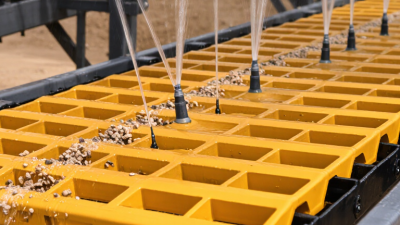
Material moves across the screen while vibration encourages smaller particles to pass through the apertures. Larger particles travel forward and discharge separately. The polyurethane surface can flex slightly under impact, helping release particles that might otherwise block the openings. Less steel contact can also reduce operating noise. Small details matter here. Aperture shape, panel thickness, hardness, and tension level affect screening accuracy and service life.
Field inspections often show that poor tension causes more trouble than the material itself. A loose screen may flutter, wear unevenly, or produce inconsistent separation. An overly tight screen can increase stress around fixing points. Buyers should check frame dimensions, hook or fastening style, feed size, moisture conditions, and expected throughput before ordering. MDI PU is durable, but it is not perfect for every application. Extremely sharp feed or incorrect installation can still cause premature damage. Performance should be verified through operating data, not attractive specifications alone.
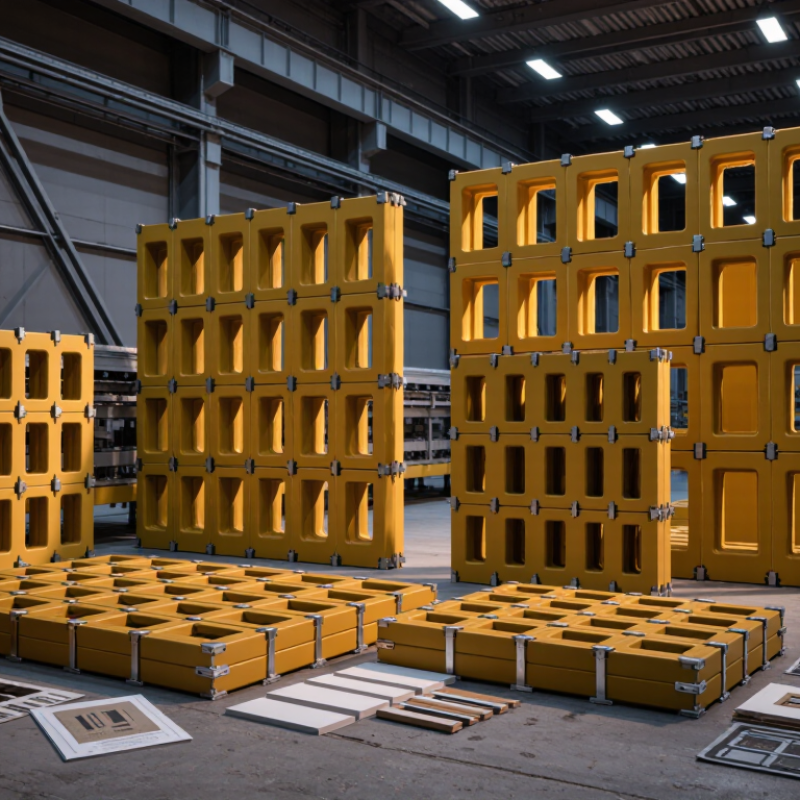
MDI PU tension screens are polyurethane screening panels tensioned across a screen deck. Their elastic surface absorbs impact, reduces blinding, and supports efficient separation of aggregates, minerals, and recycled materials. The chart compares representative aperture configurations and typical open-area ranges used in industrial screening. Actual performance depends on panel design, material moisture, feed size, tension, and operating conditions.
High-quality MDI PU tension screens must balance wear resistance, open area, and accurate sizing. MDI-based polyurethane offers strong abrasion resistance while retaining flexibility under repeated impact. This matters in aggregate plants, where the U.S. Geological Survey reported about 1.5 billion metric tons of crushed stone production in 2023. That volume creates severe contact stress.
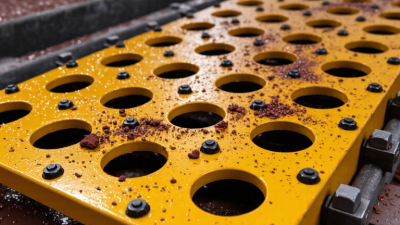
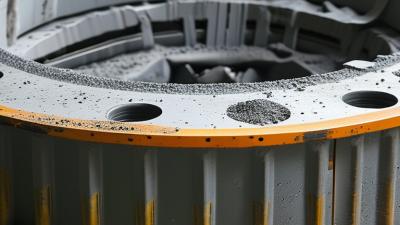
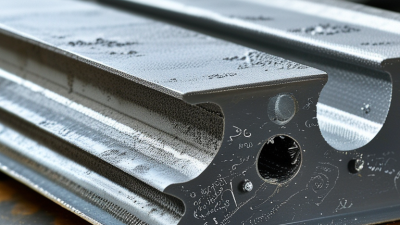
Look closely at the working surface. Clean apertures should remain stable after thousands of feed cycles. A reliable screen also needs firm tension, uniform thickness, and reinforced fastening points. Poor tension causes blinding, vibration, and uneven product grading. MarketsandMarkets estimated the global polyurethane market at USD 78.1 billion in 2023, reflecting broad industrial demand for durable polymer solutions. Yet market size alone does not prove screen quality.
Field checks remain essential. Measure aperture accuracy, inspect edge tearing, and compare wear across the panel. Harder polyurethane can improve abrasion life, but excessive hardness may reduce impact resilience in cold conditions. That trade-off is easy to miss. Temperature, moisture, feed shape, and oversize particles can change results dramatically. A responsible buyer should request test data based on actual operating conditions, not rely on generic laboratory claims. ASTM tensile and tear methods provide useful references, but they cannot reproduce every quarry or mining circuit. No screen is universal. Even a well-designed MDI PU panel may need revised tension or aperture selection after several weeks of production.
Comparing the ten best MDI PU tension screen options requires more than checking catalog photographs. I examine aperture size, panel thickness, tensioning method, and working temperature. These details affect screening accuracy, service life, and installation time. A screen with smaller openings may improve separation, but it can blind faster with damp feed. A thicker panel can resist impact, yet it may reduce open area. Trade-offs matter.
During plant inspections, I also check the feed material, moisture level, drop height, and vibration settings. MDI-based polyurethane usually handles abrasion well, but no formulation performs equally under every load. Ask for hardness data, tensile strength, and abrasion test conditions. Test results without testing standards can mislead buyers. I once trusted a promising specification sheet and overlooked poor edge support. The screen failed earlier than expected.
Compare the ten options using the same criteria and identical operating assumptions. Review panel weight, replacement access, fastening security, and expected throughput. Request samples when possible. A short trial can reveal stretching, pegging, noise, or uneven wear. Do not judge durability from laboratory numbers alone. Examine worn panels from similar applications and verify production consistency. Supplier response time also matters when a shutdown depends on replacement parts. The lowest purchase price may create higher labor costs later. Keep a clear scorecard, but leave room for field evidence. Data needs context.
Selecting one of the 10 Best MDI PU Tension Screens requires more than comparing catalog prices. Global buyers should verify aperture size, panel dimensions, tensioning hooks, and deck angle first. MDI-based polyurethane can resist abrasion, but performance depends on feed size, moisture, and impact energy. In field installations, a 1 mm aperture change can affect capacity and separation accuracy. Measure the existing frame carefully. Small errors become expensive delays.
The USGS Mineral Commodity Summaries 2024 estimated U.S. crushed-stone production at about 1.5 billion metric tons in 2023. That volume explains the demand for durable screening media. However, a high-wear application does not always need the hardest screen. Excessive hardness may reduce flexibility and increase pegging in damp feed. For wet aggregates, buyers should request drainage openings, open-area data, and test results under comparable moisture conditions. Ask for tensile strength, elongation, and operating-temperature limits.
Compatibility also includes customs dimensions and replacement logistics. Confirm whether the screen uses side tensioning, center tensioning, or modular fastening. Request CAD drawings before production. It sounds obvious. It is often missed. Customization may include polyurethane thickness, reinforced edges, mixed apertures, and color coding for maintenance. Independent testing aligned with relevant ISO or ASTM procedures improves reliability, although laboratory results cannot fully predict quarry conditions. I would keep a trial section in the purchase plan, because feed characteristics change more than many specifications suggest.
| Rank | MDI PU Screen Configuration | Typical Aperture Range | Common Panel Size | Typical Shore A Hardness | Open Area Range | Recommended Feed Size | Best Use | Compatibility and Sizing Notes | Customization Options |
|---|---|---|---|---|---|---|---|---|---|
| 1 | Fine-Slot Tension Screen | 0.50–2.00 mm | 1,000 × 500 mm to 1,220 × 610 mm | 85–95 Shore A | 18–32% | Up to approximately 10 mm | Fine wet screening, desliming, and classification | Requires accurate tension-bar or hook dimensions; use with spray-bar systems where wet classification is required. | Slot or square openings, reinforced edges, molded tension hooks, custom hook orientation, and color coding. |
| 2 | Medium-Slot Dewatering Screen | 2.00–6.00 mm | 1,200 × 600 mm to 1,500 × 750 mm | 85–95 Shore A | 22–38% | Up to approximately 25 mm | Sand dewatering and aggregate moisture reduction | Check deck width, side-tension or end-tension arrangement, and support-bar spacing before ordering. | Variable slot direction, tapered apertures, impact zones, sealed side edges, and different hook profiles. |
| 3 | Square-Aperture Aggregate Screen | 4.00–12.00 mm | 1,220 × 610 mm to 1,500 × 750 mm | 85–95 Shore A | 30–45% | Up to approximately 40 mm | Crushed stone, sand, gravel, and manufactured aggregate | Suitable for many modular vibrating decks when panel thickness and fastening points match the original screen. | Square or rectangular openings, different panel thicknesses, reinforced borders, and localized wear protection. |
| 4 | Heavy-Duty Scalping Screen | 12.00–40.00 mm | 1,500 × 750 mm to 1,800 × 900 mm | 85–95 Shore A | 35–55% | Up to approximately 150 mm | Primary scalping and removal of oversize rocks | Needs high-impact support beneath the panel; verify deck acceleration, feed zone length, and tensioning clearance. | Thicker impact sections, stepped openings, reinforced leading edges, heavy-duty hooks, and reduced-aperture wear zones. |
| 5 | High-Open-Area Square Screen | 8.00–25.00 mm | 1,200 × 600 mm to 1,800 × 900 mm | 80–90 Shore A | 45–65% | Up to approximately 75 mm | High-throughput dry screening of low-moisture materials | Best where capacity is more important than maximum impact resistance; confirm feed gradation and deck inclination. | Large open-area layouts, alternating aperture patterns, anti-blinding profiles, and custom panel lengths. |
| 6 | Anti-Blinding Slotted Screen | 1.00–8.00 mm | 1,000 × 500 mm to 1,500 × 750 mm | 80–90 Shore A | 20–42% | Up to approximately 30 mm | Damp, sticky, or near-size material prone to pegging | Flexible polyurethane apertures can reduce pegging, but operating moisture, clay content, and vibration settings remain important. | Variable-slot geometry, staggered openings, flexible ribs, open-edge design, and mixed-aperture panels. |
| 7 | Abrasion-Resistant Mineral Screen | 6.00–30.00 mm | 1,200 × 600 mm to 1,800 × 900 mm | 90–95 Shore A | 28–50% | Up to approximately 100 mm | Quartz, granite, iron ore, and other abrasive minerals | Higher hardness may improve wear resistance, while correct support spacing helps prevent panel deformation and fatigue. | High-hardness formulation, thickened wear areas, ceramic or rubber-backed impact zones, and custom edge reinforcement. |
| 8 | Wet Classification Panel | 0.75–5.00 mm | 1,000 × 500 mm to 1,220 × 610 mm | 85–95 Shore A | 18–36% | Slurry or washed feed, typically below 10 mm | Silica sand, construction sand, and fine mineral classification | Confirm slurry chemistry, spray-bar position, panel drainage direction, and compatibility with the vibrating-screen deck. | Fine slots, drainage grooves, molded dams, reinforced apertures, and custom side-seal geometry. |
| 9 | Trommel-Style Tension Panel | 5.00–40.00 mm | Width and length made to drum dimensions | 85–95 Shore A | 30–55% | Up to approximately 100 mm | Rotary screening of compost, biomass, soil, and aggregates | Measure drum diameter, screen length, mounting rails, curvature, bolt pattern, and panel overlap before fabrication. | Curved panels, bolt-on rails, longitudinal or transverse apertures, reinforced ends, and segmented replacement sections. |
| 10 | Multi-Zone Custom PU Screen | 0.50–40.00 mm | Custom; commonly 1,200 × 600 mm to 1,800 × 900 mm | 80–95 Shore A | 18–60% | Determined by feed and deck design | Mixed-duty decks requiring different apertures or wear levels | Use separate feed, classification, and discharge zones when a single uniform panel cannot meet capacity and wear requirements. | Mixed apertures, graduated open area, multiple hardness zones, reinforced feed sections, custom hooks, and identification marks. |
Buyer reference: Values shown are typical engineering ranges for MDI-based polyurethane tension screens. Final selection should be confirmed against the machine model, deck dimensions, tensioning method, feed gradation, moisture, abrasiveness, operating temperature, and support-bar layout.
10 Best MDI PU Tension Screens for Global Buyers
MDI PU tension screen pricing depends on aperture size, wire support, panel dimensions, hardness, and order volume. A low quotation may exclude tooling, edge reinforcement, or export packing. Ask for a detailed proforma invoice with currency, payment terms, production time, and replacement policy. Request material data, hardness results, and batch traceability. ISO 9001 can show process control, but it does not prove every screen meets your application needs. For certain markets, request relevant REACH, RoHS, or safety documentation. Certification requirements vary by destination.
Shipping needs equal attention. Confirm roll or panel measurements, gross weight, pallet design, moisture protection, and the correct HS classification with your customs adviser. Compare FOB, CIF, and DDP quotes carefully. The cheapest freight option may create delays at transshipment ports. Supplier evaluation should include sample testing, dimensional inspection, abrasion performance, and reference projects with similar feed material. Ask how defects are recorded and resolved. A polished catalogue is not enough. It can hide weak quality control.
Tips: Compare three written quotations using the same specifications. Test one sample before placing a large order. Check whether the supplier can maintain aperture accuracy across batches. Keep photos of packaging and inspection records. I would also clarify warranty limits, because “long service life” is not a measurable guarantee. Some buying decisions remain imperfect when site conditions change, so record moisture, feed size, and operating temperature before approval.