What Is a Pu Dehydrated Screen and How Does It Work?
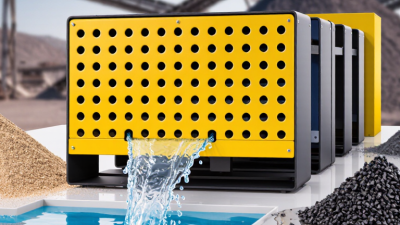
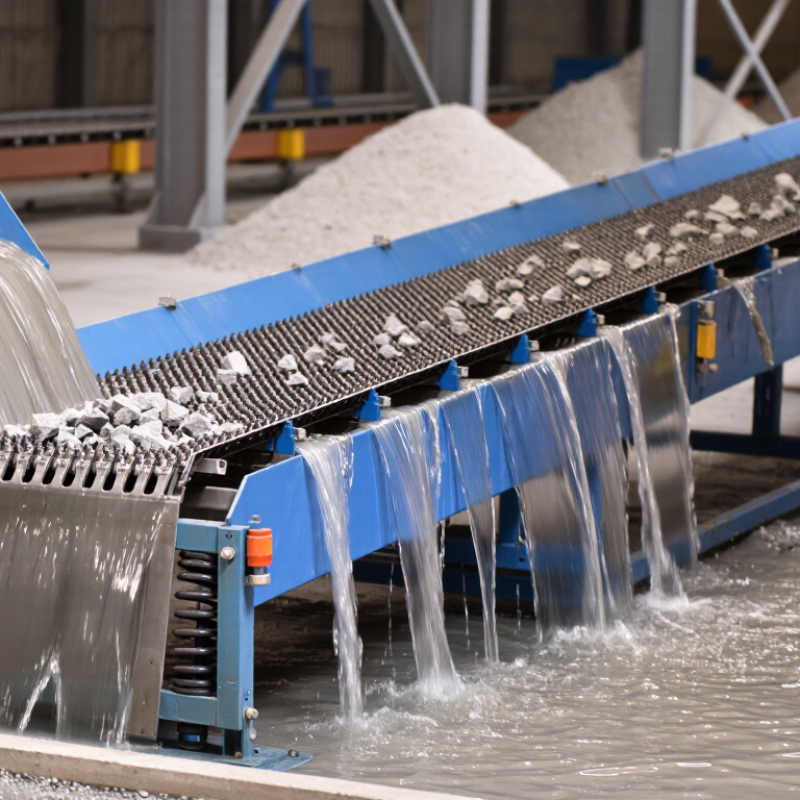
A Pu Dehydrated Screen is a vibrating screening machine designed to separate solids from water. It uses a sloped screen surface, vibration, and gravity. Wet material enters at the feed end. Water drains through the apertures, while larger particles move toward the discharge. The result is a cleaner, drier product.
The need is substantial. The U.S. Geological Survey reported approximately 1.5 billion metric tons of crushed stone produced in the United States during 2023. It also recorded about 960 million metric tons of construction sand and gravel. These volumes show why moisture control affects transport, stockpiling, and product quality. McLanahan technical guidance indicates that properly adjusted dewatering screens can reduce product moisture significantly, although actual performance depends on feed size, screen angle, vibration, and material characteristics. Numbers alone do not tell the whole story.
Dr. Tim Napier-Munn, a recognized mineral-processing educator, states, “Screening is the separation of particles according to size.” A Pu Dehydrated Screen applies that principle under wet conditions. Its dewatering effect comes from acceleration and drainage, not simple filtering. The screen’s openings must resist blinding. The vibration must be strong enough to move particles, but not so aggressive that it causes unnecessary wear. That balance is easy to underestimate. Operators often focus on capacity first. Moisture, maintenance, and feed consistency deserve equal attention. This guide explains the machine’s structure, working process, operating variables, and practical limitations. It also examines why laboratory results may differ from field performance. That difference remains important.
What Is a PU Dehydrated Screen?
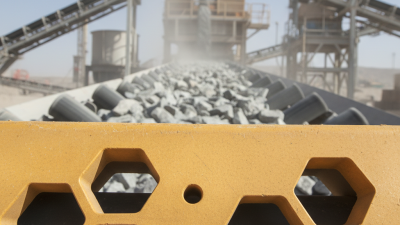
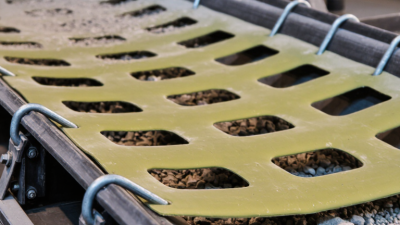
A PU dehydrated screen, commonly called a polyurethane dewatering screen, removes water from wet mineral, sand, or aggregate mixtures. It uses a sloped vibrating deck fitted with polyurethane screen panels. Vibration moves solids forward while gravity pulls free water through the apertures. The retained material leaves with lower moisture content.
Polyurethane panels are flexible, abrasion resistant, and shaped with tapered openings. These features can reduce blinding when sticky particles reach the deck. However, performance depends on feed size, slurry concentration, vibration settings, and screen inclination. The U.S. Geological Survey’s Mineral Commodity Summaries 2024 reported about 960 million metric tons of construction sand and gravel production in the United States during 2023. That scale shows why efficient water recovery matters in daily processing. Still, a report cannot predict every plant’s result.
Tips: Check moisture at the feed and discharge points. Inspect panel wear regularly. Small changes can matter. Start with the manufacturer’s recommended vibration and angle settings, then adjust using measured results. In practice, operators often discover that a “perfect” setting changes after rainfall, clay buildup, or a new feed source. This is where experience becomes important. Do not judge the screen only by its appearance; measure product moisture, oversize carryover, and water clarity. The U.S. Environmental Protection Agency’s mineral processing guidance also emphasizes controlling process water and suspended solids, although site conditions remain decisive.
Key Components and Structural Design
A PU dehydrated screen uses polyurethane panels to remove water from wet materials. Its structure usually includes a support frame, screen panels, tensioning bars, spray pipes, and discharge chutes. Each part affects separation performance.
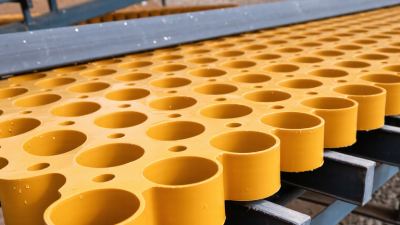
The screen panels contain carefully sized apertures. Smaller openings retain fine solids, while larger openings improve drainage and reduce blockage. Polyurethane combines wear resistance with useful flexibility. It absorbs repeated impact better than many rigid metal surfaces. However, flexibility is not unlimited. Excessive feed pressure can distort the panels and change the aperture shape.
The support frame must remain stable during vibration. Reinforced crossbeams carry the panels and distribute material weight across the deck. Tensioning devices hold each panel firmly, preventing movement at the joints. Loose fittings can create uneven wear and noisy operation. They can also allow solids to bypass the intended screening area.
A practical design usually places the screen at a controlled slope. Gravity moves water through the apertures, while vibration guides solids toward the discharge end. Spray bars may assist when sticky material builds up. Yet too much water can lower separation accuracy and increase downstream handling. Operators should inspect panel edges, fixing points, and blocked openings regularly. Small defects matter. An apparently minor gap can expand under vibration. Structural design is therefore a balance between drainage, impact resistance, access for maintenance, and consistent feed distribution.
How the Dehydration Process Works
What Is a PU Dehydrated Screen and How Does It Work?
How the Dehydration Process Works
A PU dehydrated screen is a polyurethane panel used on vibrating dewatering equipment. It separates water from wet materials, such as sand, stone, or mineral slurry. The feed enters the screen surface as a moving mixture. Vibration lifts and spreads the solids across the panels. Water then passes through the small openings, while larger particles move toward the discharge end. The material becomes progressively drier during this short journey. It is not magic. The screen needs controlled movement, suitable apertures, and enough drainage time.
Polyurethane panels are flexible and resistant to repeated abrasion. Their tapered openings can reduce blockage when the feed contains fine particles. In practical operation, moisture depends on several details. Feed rate, vibration intensity, particle size, and bed depth all affect the result. Too much material can bury the openings and slow drainage. Excessive vibration may throw particles forward before enough water escapes. I have found that operators sometimes adjust speed first, although checking feed depth may reveal the real problem. Performance can also change as openings wear or become coated.
Tips: Keep the feed distributed evenly across the width. Inspect panel openings during routine shutdowns. Measure moisture instead of judging it by appearance alone. Record vibration settings and feed conditions after each adjustment. Small changes matter. A clean water path usually improves separation, but the best setting must be verified with actual material.
Benefits, Limitations, and Maintenance Considerations
A PU dehydrated screen, commonly called a polyurethane dewatering screen, separates water from wet sand, gravel, or mineral slurry. Its sloped, vibrating deck moves solids forward while water and fine particles pass through molded apertures. Polyurethane panels resist abrasion and reduce operating noise compared with many steel alternatives. This matters in high-volume plants. The USGS Mineral Commodity Summaries 2024 reported approximately 960 million metric tons of U.S. construction sand and gravel production in 2023. That scale makes water recovery and stable screening increasingly important.
The main benefit is durability under abrasive feed. Modular panels also allow faster replacement and fewer heavy lifting tasks. However, PU does not solve every problem. Fine, sticky material can blind openings, especially when feed moisture changes suddenly. High temperatures, oils, and unsuitable cleaning chemicals may accelerate damage. Open area can also be lower than woven wire, which may reduce peak capacity. Actual performance depends on deck angle, vibration, aperture size, and feed distribution. Published figures should be treated carefully.
Maintenance remains practical, but not optional. Inspect panel edges, fastening points, and blocked apertures during every shift. Uneven wear often signals poor feed distribution, not weak polyurethane. Keep spray bars aligned and remove buildup before it hardens. Record feed moisture, throughput, and discharge quality. The UNEP Global Resources Outlook 2024 projects material extraction could rise about 60% by 2060, increasing pressure on efficient processing. A field lesson is simple: the screen is rarely the only variable. Operators should review the whole circuit before changing panel material.
What Is a PU Dewatering Screen and How Does It Work?
A polyurethane (PU) dewatering screen separates water from wet solids by vibration and gravity. Wet material moves across inclined screen panels while water passes through the apertures and the solids continue toward the discharge end.
The chart compares representative material densities commonly used in screen-panel design. PU is substantially lighter than steel, which can reduce panel weight and dynamic load while maintaining a flexible, abrasion-resistant screening surface. Actual values vary with formulation, reinforcement, temperature, aperture geometry, and operating conditions.
Benefits
Low panel weight, good abrasion resistance, reduced noise, and flexible modular replacement.
Limitations
Performance depends on temperature, chemical exposure, feed size, moisture, aperture design, and correct tensioning.
Maintenance
Inspect panels, fastening points, blinding, pegging, wear, and aperture blockage regularly; replace damaged modules promptly.
 No. 14, Building 2, No. 367 Beijing Road, Chengdu Economic and Technological Development Zone (Longquanyi District)