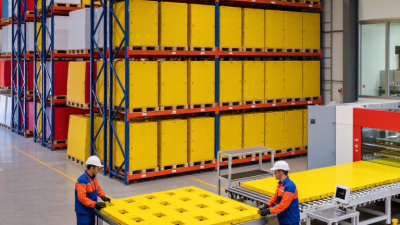
What Is a PU Screen Panel and How Does It Work?
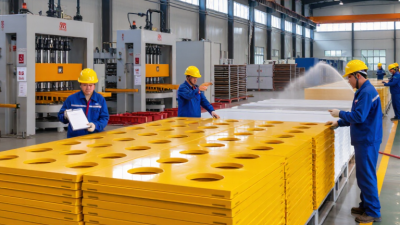
A Pu Screen Panel is a polyurethane screening surface designed to separate materials by size. It is commonly used in aggregate, mining, recycling, and industrial processing plants. Unlike rigid steel screens, polyurethane panels combine flexibility with controlled openings. This balance helps manage impact, abrasion, and noise during screening.
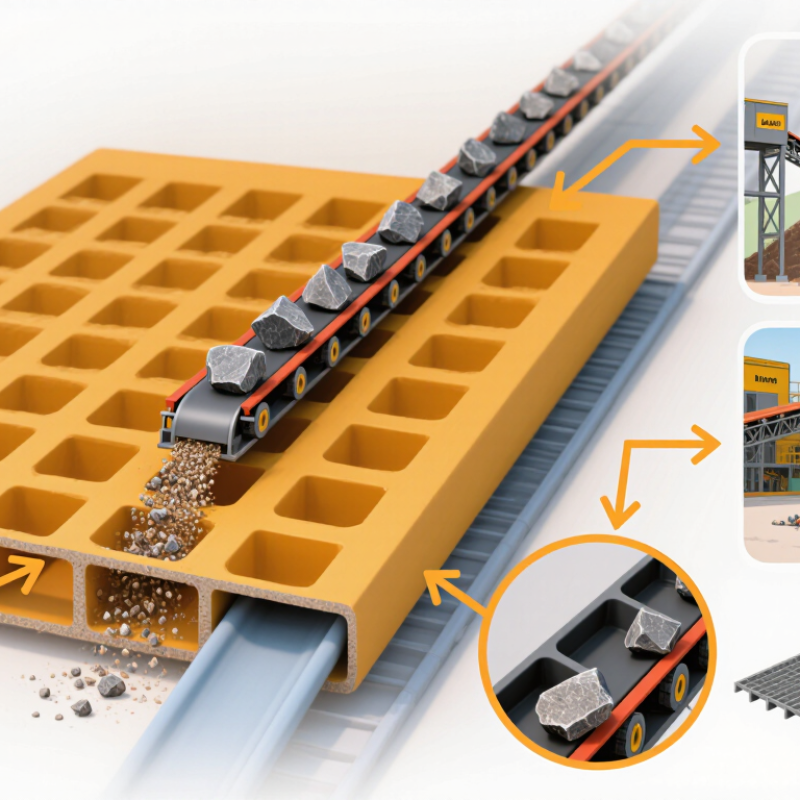
The panel works by allowing smaller particles to pass through its apertures. Oversized material travels across the surface and exits at the discharge end. Vibrating equipment creates the movement needed for separation. The polyurethane body absorbs repeated impacts, while its molded openings support consistent sizing. Panel design still matters. Aperture shape, thickness, tension, and material hardness can change screening results.
Real operating conditions often reveal more than a product sheet. Wet clay may block openings, while sharp rock can accelerate wear. I have found that correct panel selection depends on feed size, moisture, load, and vibration settings. A panel that performs well in one plant may underperform elsewhere. That is an important limitation. No single Pu Screen Panel suits every application.
This guide explains the panel’s structure, working principle, advantages, and practical limitations. It also considers installation, cleaning, inspection, and replacement decisions. Reliable performance requires regular checks for blocked apertures, loose fittings, and uneven wear. Small details matter. By connecting engineering principles with field experience, readers can evaluate whether polyurethane screening is suitable for their operation.
What Is a PU Screen Panel? Materials, Hardness, and Core Functions
What Is a PU Screen Panel? Materials, Hardness, and Core Functions
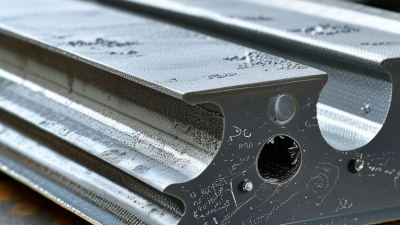
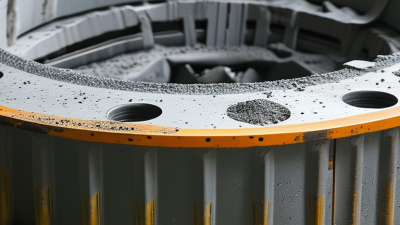
A PU screen panel is a screening surface made from polyurethane, a durable synthetic elastomer. It combines flexibility with strong resistance to abrasion, impact, and moisture. Many panels include reinforced edges or embedded metal supports for stable installation. The exact construction depends on the screen design and operating load.
Hardness matters because it changes how the panel behaves. A softer PU compound can absorb impact and reduce noise when processing sharp or heavy rock. A harder compound may resist cutting and maintain its openings under continuous wear. However, hardness alone does not determine service life. Feed size, moisture, temperature, and vibration also influence performance. The wrong hardness can look suitable on paper and still disappoint in operation.
During screening, vibration moves material across the panel surface. Smaller particles pass through the apertures, while larger pieces travel forward. PU’s elastic surface can flex slightly under impact, helping release trapped particles. Its smooth openings may also reduce blinding when wet material is present. In practical maintenance, operators should inspect worn apertures, loose supports, and uneven feed distribution. Small changes can reveal bigger problems. No panel is perfect. A design that performs well in dry stone may struggle with sticky clay or extreme heat, so selection should follow measured site conditions rather than habit.
How Does Screening Work? Apertures from 0.1 to 100 mm
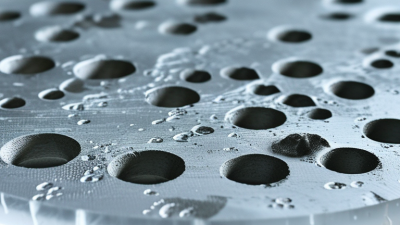
A PU screen panel is a wear-resistant screening surface made from molded polyurethane. It contains accurately shaped apertures, ranging from about 0.1 to 100 mm. The aperture size controls the cut point, but it is not the only factor. Feed shape, moisture, material density, and vibration also influence separation.
The process is straightforward. A vibrating screen moves the feed across the panel. Particles smaller than the apertures fall through, while larger particles continue toward the discharge end. Fine apertures, near 0.1 mm, require careful feed control because wet material can blind the openings. Larger apertures, up to 100 mm, handle coarse stone, recycled aggregates, and other heavy materials. The panel’s flexible surface can reduce pegging and absorb impact better than rigid metal in many applications.
In practical operation, aperture shape matters. Square openings provide a familiar sizing reference, while slotted openings may improve capacity or reduce blockage. Panel thickness also affects passage and wear life. A thicker panel may last longer, but it can restrict flow through very fine openings. This trade-off is easy to overlook. PU panels often produce less noise and resist abrasion, yet they are not maintenance-free. Operators should inspect blocked apertures, loose fittings, and uneven wear regularly. A screen that looks clean may still be losing capacity. Small changes in moisture can expose that problem quickly.
How Does Open Area Affect Capacity? Typical Rates of 30–60%
What Is a PU Screen Panel and How Does It Work?
A PU screen panel uses flexible polyurethane openings to separate particles by size. During operation, vibration moves the feed across the panel surface. The openings let undersized material pass through, while larger particles continue forward. The elastic material can reduce impact damage and noise compared with rigid screening surfaces. Good separation starts here.
Open area means the percentage of the panel available for screening openings. A 30% open area provides less passage space than a 60% design. Increasing open area can raise capacity because more material reaches the lower deck or discharge point. However, it may reduce panel strength and increase the risk of blinding with sticky feed. Typical open-area rates range from 30% to 60%. The right rate depends on feed size, moisture, bed depth, and required separation accuracy.
In practical plant checks, operators should compare feed rate with actual screen performance, not rely on open-area figures alone. A damp limestone feed may need wider openings and better cleaning action. A dry, abrasive feed may benefit from stronger panels with fewer openings. Deck angle and vibration also change the result. A common mistake is choosing maximum open area for maximum capacity. That choice can create uneven wear or poor sizing. Real conditions often challenge the original calculation. Small test runs can reveal this early.
Why Does Polyurethane Resist Abrasion? Service Life Up to 10× Longer
What Is a PU Screen Panel and How Does It Work?
A PU screen panel is a screening surface made from molded polyurethane. It separates stone, sand, coal, and other bulk materials by particle size. Unlike rigid steel, polyurethane flexes slightly under impact. This flexibility helps reduce cracking, noise, and material buildup. In operating plants, the difference is easy to notice. Steel panels can develop sharp wear grooves, while PU surfaces often remain smoother for longer.
Why Does Polyurethane Resist Abrasion? Service Life Up to 10× Longer
Polyurethane resists abrasion through a combination of hardness, elasticity, and impact absorption. Hard mineral particles may strike the panel repeatedly, but the material can deform and recover. Its surface does not chip as easily as brittle materials. Lower friction also helps particles slide across the apertures instead of grinding continuously against them. Less damage occurs at the contact points.
Claims of up to 10× longer service life need careful interpretation. This result may occur under suitable conditions, not every application. Feed size, moisture, temperature, screen tension, and material sharpness all affect wear. Correct installation matters. So does regular inspection. A loose panel can suffer concentrated damage near its edges. Chemical exposure may also reduce performance. PU is highly durable, but it is not indestructible. Choosing the right hardness and aperture design remains essential for reliable screening.
What Is a PU Screen Panel and How Does It Work?
Polyurethane screen panels use elastic, abrasion-resistant openings to separate materials while reducing wear, noise, and impact damage.
Relative service-life index: Conventional rubber is normalized to 1.0. Polyurethane is shown at the upper-bound “up to 10× longer” level cited for suitable abrasive screening applications. Actual service life depends on material abrasiveness, feed size, moisture, impact, operating conditions, and panel design.
 No. 14, Building 2, No. 367 Beijing Road, Chengdu Economic and Technological Development Zone (Longquanyi District)