Top 10 MDI PU Screen Panel Suppliers Worldwide?
Choosing reliable Mdi Pu Screen Panel suppliers requires more than comparing prices or browsing attractive catalogs. Mining and aggregate operators need panels that withstand abrasion, vibration, moisture, and continuous material flow. A dependable supplier should provide clear polyurethane specifications, aperture options, fastening details, and realistic production lead times. Field experience also matters, because a panel that performs well in dry screening may struggle with wet, sticky feed.
This guide examines the Top 10 MDI PU Screen Panel Suppliers Worldwide through practical purchasing criteria. These include manufacturing capability, quality control, customization, technical support, export experience, and customer feedback. We also consider whether suppliers can match panel dimensions accurately and maintain consistent openings across production batches. Small differences matter. A poorly fitted panel may create leakage, uneven wear, or unnecessary downtime.
No supplier list is perfect. Regional availability, freight costs, and local service can change the final decision. A well-known manufacturer may not suit every application, especially when feed size, moisture, and machine design differ. Buyers should request test data, installation guidance, sample panels, and references from comparable operations. Inspection remains important.
The selected companies represent different strengths, from advanced molding technology to flexible custom production. Some may excel in heavy-duty quarry screening, while others support modular systems and specialized polyurethane solutions. Use this overview as a practical starting point, not a substitute for technical verification. The right supplier should prove performance under your actual operating conditions.
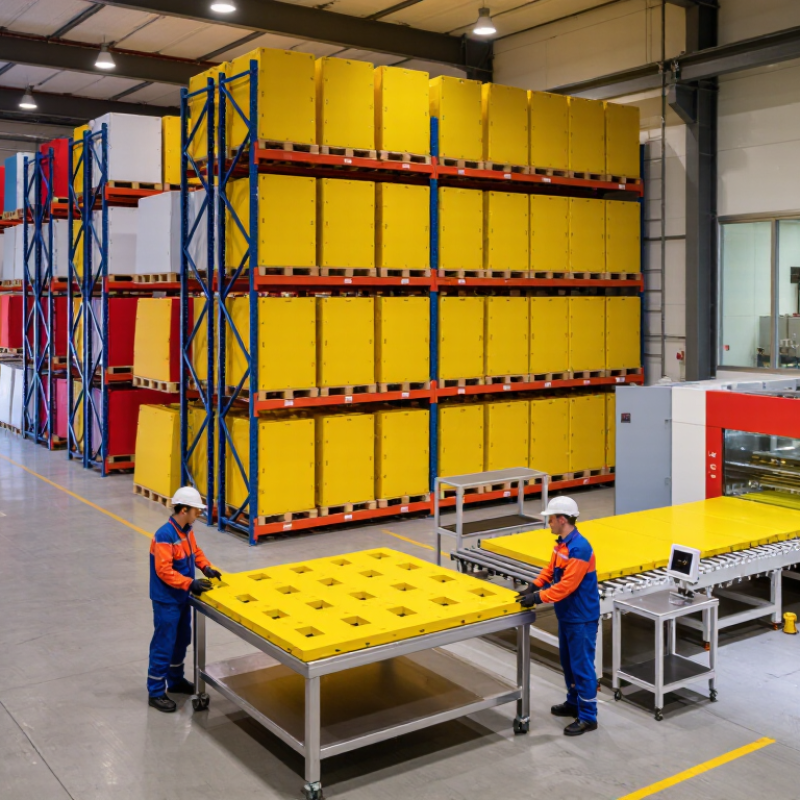
MDI PU Screen Panels: 85–95 Shore A Hardness and Core Specifications
MDI PU screen panels are increasingly specified for abrasive screening, especially where steel panels create excessive noise and impact damage. Grand View Research’s 2024 Polyurethane Market Report projects steady global polyurethane growth through 2030, supported by demand for durable industrial components. That trend does not make every panel suitable. Material selection still requires field evidence.
An 85–95 Shore A hardness range offers a practical balance between abrasion resistance and flexibility. Lower hardness can absorb impact better, while higher hardness may support sharper, heavier feed. Core specifications deserve equal attention. Check panel thickness, open-area percentage, aperture shape, fastening method, and operating temperature. ISO 868 or ASTM D2240 hardness testing should support the supplier’s data. Abrasion results should also identify the test method, load, and compound formulation. A number without test conditions is weak evidence.
Tips: Ask for production samples, not only brochures. Measure actual thickness at several points. Confirm tensile strength, tear resistance, and dimensional tolerance. Inspect the panel after wet screening and repeated impact. Industry reports often present average polyurethane performance, but quarry conditions vary widely. I would not treat 95 Shore A as automatically better. In practice, feed size, moisture, temperature, and incorrect tension can reduce service life. One overlooked detail matters: the core may remain strong while the aperture edges wear first. Suppliers should provide traceable test records, installation guidance, and realistic replacement intervals. Some specifications still look impressive but lack field validation. That deserves careful questioning.
How to Evaluate Suppliers by Aperture, Open Area, Wear Life, and Cost
Top 10 MDI PU Screen Panel Suppliers Worldwide
A global top-ten shortlist should begin with performance, not catalog size. MDI polyurethane panels must match the material, feed size, and screening duty. Ask suppliers for measured aperture tolerance, not only nominal dimensions. A 10 mm opening may vary enough to affect final product grading. Open area also matters. Higher open area can improve capacity, but it may reduce panel strength when the deck faces heavy impact.
Wear life requires practical evidence. Request test results from similar rock, sand, or recycled feed conditions. Compare operating hours, not vague claims such as “long-lasting.” Experienced suppliers should explain panel hardness, fastening systems, and temperature limits. They should also identify when a softer compound is useful. Sometimes the hardest panel is not the best choice. It can resist abrasion but fail under sharp impact. This is where supplier advice needs careful checking.
Tips: Send suppliers photos of the deck and worn panels. Include feed size, moisture, throughput, and cleaning intervals. Compare cost per operating hour, not purchase price alone. Check replacement lead times and technical support. Ask for a written tolerance range. Factory visits, sample trials, and customer references add valuable evidence. Still, no test perfectly matches your site. My own evaluation would leave room for uncertainty, because field conditions often expose weaknesses that laboratory reports miss.
Top 10 MDI PU Screen Panel Suppliers Worldwide? - How to Evaluate Suppliers by Aperture, Open Area, Wear Life, and Cost
| Rank |
Anonymous Supplier Profile |
Typical Aperture
(mm) |
Open Area
(%) |
PU Hardness
(Shore A) |
Abrasion Loss
(mm³) |
Expected Wear Life
(Index, Baseline=100) |
Indicative Panel Cost
(USD/m²) |
Aperture Accuracy
(±mm) |
Best-Fit Application |
Overall Value Score
(100) |
| 1 |
Profile A — Premium Fine-Screen Specialist |
0.10–25 |
28–48 |
85–90 |
18–25 |
145 |
280–420 |
±0.08 |
Fine wet screening and high-value minerals |
94 |
| 2 |
Profile B — High-Wear Mining Supplier |
0.20–50 |
30–52 |
90–95 |
20–29 |
142 |
240–380 |
±0.10 |
Hard-rock aggregate and iron ore |
92 |
| 3 |
Profile C — Balanced Global-Export Supplier |
0.30–60 |
32–55 |
85–92 |
23–32 |
136 |
190–330 |
±0.12 |
General mineral processing |
89 |
| 4 |
Profile D — Custom Modular-Panel Supplier |
0.50–80 |
35–58 |
88–93 |
25–34 |
132 |
210–350 |
±0.15 |
Large deck systems and mixed-size screens |
87 |
| 5 |
Profile E — Abrasion-Optimized Supplier |
0.40–63 |
30–54 |
90–95 |
22–31 |
129 |
220–360 |
±0.15 |
Silica sand, quartz, and abrasive feed |
86 |
| 6 |
Profile F — High-Throughput Screening Supplier |
1.00–100 |
40–62 |
85–90 |
28–38 |
121 |
170–290 |
±0.18 |
Quarrying and coarse aggregate sizing |
84 |
| 7 |
Profile G — Cost-Efficient Standard Supplier |
0.50–75 |
34–57 |
85–90 |
30–40 |
116 |
140–250 |
±0.20 |
Routine screening with budget constraints |
82 |
| 8 |
Profile H — Fine-Wireless-Noise Reduction Supplier |
0.15–40 |
25–46 |
80–88 |
27–37 |
114 |
200–340 |
±0.12 |
Fine particles and noise-sensitive plants |
80 |
| 9 |
Profile I — Regional Replacement-Panel Supplier |
1.00–80 |
38–60 |
85–92 |
32–42 |
109 |
130–240 |
±0.22 |
Replacement parts and standard deck layouts |
78 |
| 10 |
Profile J — Entry-Level General-Purpose Supplier |
1.00–63 |
35–58 |
80–88 |
35–48 |
100 |
100–190 |
±0.25 |
Light-to-moderate duty screening |
75 |
|
Evaluation basis: The figures are representative engineering benchmark ranges for cast MDI polyurethane screen panels. Abrasion loss is expressed as a lower-is-better laboratory indicator, while the wear-life index is a comparative estimate based on abrasion resistance, panel thickness, feed conditions, and operating environment. Actual open area, service life, and cost should be confirmed through drawings, test certificates, sample trials, freight, installation, and operating data. Indicative cost excludes taxes, freight, frame modifications, and installation.
|
Top 10 Global MDI PU Screen Panel Suppliers and Product Strengths
The top ten global MDI PU screen panel suppliers are often distinguished by engineering depth, not advertising claims. Their strongest products use methylene diphenyl diisocyanate polyurethane for demanding screening duties. This material can resist abrasion, impact, and repeated flexing. Some suppliers offer panels with different apertures, thicknesses, and fastening systems. That flexibility helps plants handle wet ore, crushed stone, coal, and recycled aggregates.
Product strength also depends on practical support. Leading suppliers usually provide screen measurements, installation guidance, and wear inspections. Experienced engineers may review feed size, moisture, temperature, and deck inclination before recommending a panel. Reliable producers also test hardness, dimensional stability, and bonding quality. Regional stock can reduce downtime, although availability varies widely. A strong catalog does not always mean the best field performance. Site conditions still decide the result.
Tips: Request a sample panel or performance trial before full replacement. Compare service life, not only purchase price. Check whether the aperture remains stable after heavy use. Ask for installation drawings and clear maintenance instructions. Record feed conditions during testing. Small details matter. One weakness is easy to miss: suppliers may report laboratory wear results that do not match abrasive, wet production conditions. A careful buyer should question those differences and review actual operating records.
Top 10 Global MDI PU Screen Panel Suppliers: Product Strength Reference
This chart presents commonly specified technical strengths for MDI polyurethane screen panels worldwide. The figures are industry reference values rather than rankings or company-specific claims.
Higher values indicate stronger performance for hardness, tensile strength, elongation, impact resilience and service-temperature span. For abrasion loss, a lower value represents better wear resistance.
Comparing Panel Designs for 0.1–100 mm Screening Applications
Choosing the top ten MDI PU screen panel suppliers worldwide requires more than comparing catalogs. The real test is aperture performance from 0.1 to 100 mm. Fine screening needs accurate openings, stable tension, and smooth surfaces. At 0.1–1 mm, small molding errors can reduce throughput quickly. Operators should request measured aperture tolerances, open-area data, and sample panels before ordering.
Medium openings, from 1 to 25 mm, need a balance between wear resistance and capacity. Thicker polyurethane can survive abrasive feed, but it may reduce screening area. Modular panels simplify replacement around high-wear zones. Their fastening system also matters. Loose edges can create impact damage and uneven flow. Reliable suppliers should provide installation drawings, hardness data, and test results using comparable feed materials.
Large openings, from 25 to 100 mm, are better suited to scalping, sizing, and removing oversize lumps. Deep apertures can improve passage, yet they may retain sticky material. Cleaning access becomes important. A perfect supplier ranking is difficult because site conditions change the result. One panel may perform well in dry stone and poorly in wet mineral feed. I would recheck wear figures after several production cycles, not trust laboratory claims alone. Feed moisture, temperature, deck angle, and actual tonnage should remain part of every comparison. Small details decide large costs.
Supplier Selection by ISO 868 Hardness Testing and Mining Use Cases
Choosing among the top 10 MDI PU screen panel suppliers worldwide requires more than comparing prices or catalog hardness values. ISO 868 testing offers a practical reference for polyurethane hardness, but results depend on sample thickness, conditioning, temperature, and test location. A reliable supplier should provide traceable test records, clear sampling methods, and repeatable laboratory controls. Ask whether production panels match the tested formulation.
Mining conditions make selection more demanding. Screen panels face abrasive ore, repeated impact, moisture, and blocked apertures. A panel with suitable hardness can reduce wear around high-contact zones, while controlled flexibility may absorb sudden impact. Field trials should measure service hours, aperture stability, blinding, fastening security, and replacement time. Small details matter. Wet fines expose weak designs quickly.
Experience also shows that higher hardness is not automatically better. Very hard polyurethane may resist cutting, yet it can transfer more impact to supports or crack under severe cold. That assumption can fail. Suppliers with mining expertise should explain this trade-off using application data, not broad marketing claims. Request batch identification, dimensional inspection results, ISO 868 values, and evidence from comparable ore conditions. One concern remains: laboratory hardness cannot fully reproduce a vibrating screen, so site feedback must influence the final decision.
 No. 14, Building 2, No. 367 Beijing Road, Chengdu Economic and Technological Development Zone (Longquanyi District)