Who Are the Top Fine Mesh Screen Manufacturers in China?
Choosing a Fine Mesh Screen manufacturer in China is not just a matter of comparing prices. A screen that looks uniform under showroom lighting may behave differently after hours of vibration, washing, or exposure to abrasive material. Wire diameter, aperture consistency, edge finishing, and tension all affect performance. Small details matter.
Quality expert W. Edwards Deming famously said, “Quality is everyone’s responsibility.” His principle applies here, though it was not written specifically about mesh screens. Reliable production depends on more than the final inspection: material selection, weaving control, and clear communication all play a part. Even then, specifications can leave room for interpretation. That deserves a closer look.
This guide examines leading Chinese manufacturers through practical criteria: product range, customization capability, quality-control evidence, export experience, and responsiveness to technical questions. Buyers should request mesh samples, confirm tolerances in writing, and check whether test reports match the exact product offered. A polished catalogue is useful, but it is not proof. The strongest supplier is the one that can explain how a screen is made, show consistent results, and acknowledge where its limits are.
What Fine Mesh Screens Are and How They Are Made
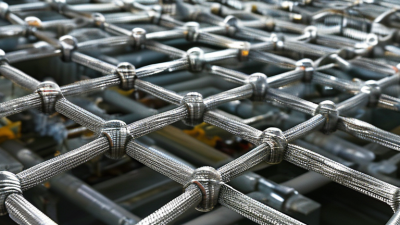
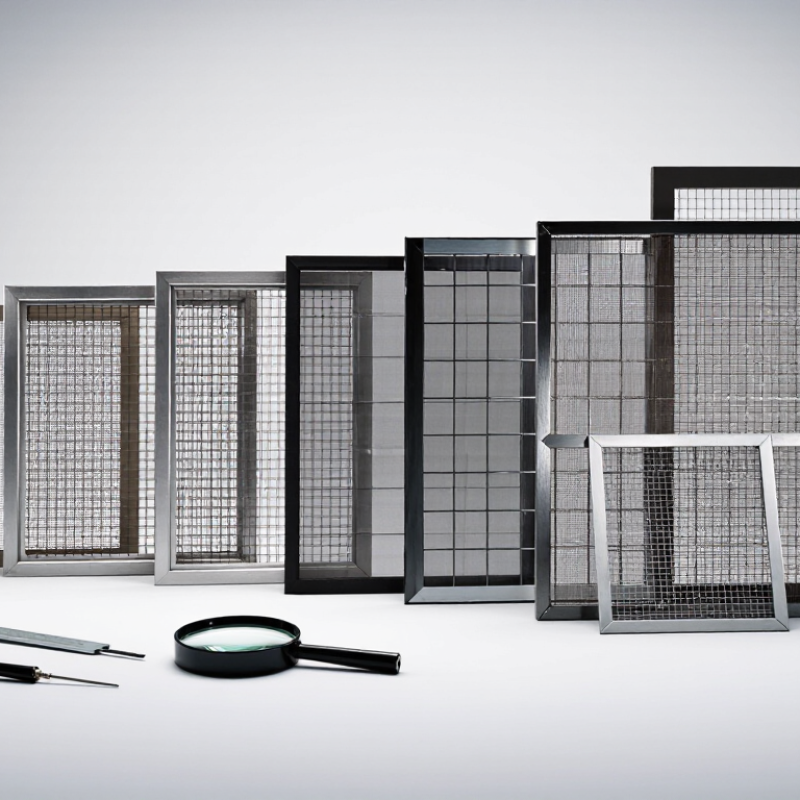
Fine mesh screens are sheets of woven wire or synthetic fibers with small, evenly spaced openings. They separate particles by size while allowing air or liquid to pass through. The openings are called apertures. Their size and consistency affect filtration, flow, and screening performance. That sounds simple. In practice, a slight variation can matter.
Manufacturing usually begins with drawing wire or preparing fibers to a controlled diameter. Machines weave the strands in patterns such as plain weave, where each strand passes over and under the next. Stainless steel is common when strength and corrosion resistance matter; polymer meshes suit lighter or application-specific needs. The right choice depends on temperature, pressure, material, and cleaning conditions. There is no universal best mesh.
After weaving, producers may cut, tension, clean, or frame the screen. They inspect aperture size, weave regularity, and visible defects, sometimes using optical measuring equipment. I have found that samples tell a more useful story than a specification sheet alone: hold one to the light and check for uneven gaps. Still, one inspection cannot predict every condition in service. Screens can clog, stretch, or wear, so installation and maintenance deserve attention too.
Fine Mesh Screens: Standard Mesh Counts and Apertures
Mesh count indicates the number of openings per linear inch, while aperture is the nominal opening size. The values shown are common ASTM E11 test sieve openings. In manufactured screens, the final aperture also depends on wire diameter, weave, and applicable tolerances.
How to Evaluate Fine Mesh Screen Manufacturers
When evaluating fine mesh screen manufacturers, ask for the actual aperture, wire diameter, weave type, and open-area results—not just a catalogue range. Request a recent inspection report and check how measurements were taken. ISO 9044:2016 describes technical requirements and test methods for industrial woven wire cloth, making it a useful reference when comparing documentation. Small details matter. A stated “mesh count” alone may not describe the opening accurately, especially when wire diameters differ.
The wider industrial filtration market is growing, but it is not a direct measure of fine-screen demand. MarketsandMarkets estimated the global industrial filtration market at USD 34.7 billion in 2023 and projected USD 46.2 billion by 2028. Use that as market context, not proof of a supplier’s capability. Ask whether the manufacturer can provide traceable batch records, material specifications, and sample screens for practical testing. Check the edges, weave uniformity, and openings under magnification. A polished certificate can still leave questions. Test a production sample against your operating conditions, then compare it with the delivered batch; sample quality and bulk consistency are not always the same.
Profiles of Leading Fine Mesh Screen Manufacturers in China
China’s fine mesh screen manufacturers range from focused weaving workshops to larger plants combining wire drawing, weaving, cutting, and inspection. A specialist producer may handle stainless steel mesh for filtration, with close attention to aperture size and wire diameter. These details affect flow, strength, and separation performance. Small variations matter.
Larger integrated manufacturers can offer broader materials and roll widths, then cut screens to customer dimensions. Look for clear product data, including mesh count, opening size, wire material, and tolerances. Ask how samples are measured and whether inspection records accompany production. A polished catalogue alone proves little.
Some export-oriented suppliers focus on custom orders, reinforced edges, or specific frame formats. They may be suitable when standard rolls do not fit an application. Still, lead times and consistency deserve scrutiny. A sample can look right, while a larger batch reveals uneven tension or edge finishing. Request a trial order and compare it with the approved sample before committing to regular supply.
Industries and Applications Served by Chinese Manufacturers
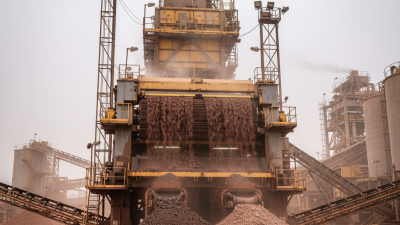
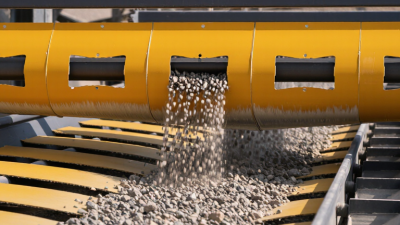
Chinese fine mesh screen manufacturers serve a wide range of processing industries, where small openings help separate particles, filter liquids, or protect equipment. In mining and mineral processing, screens sort fine ores and remove water from concentrates. Aggregate plants also use them to classify sand by particle size. Dust, abrasion, and vibration can shorten screen life, so buyers often discuss wire diameter and support structure alongside mesh count.
Food and beverage facilities use fine screens to remove pulp, seeds, or other solids from liquids. Stainless steel options are common, but the right grade depends on the product, cleaning routine, and operating temperature. Water treatment and chemical processing require different considerations, such as corrosion resistance and consistent flow. A sample test helps. It can reveal clogging or uneven throughput before a full order is made.
These manufacturers may also supply screens for paper production, textile processes, and laboratory sieving. Each application has its own tolerances; a screen suited to dry powder may perform poorly with sticky material. Ask for aperture measurements, material details, and inspection records, then compare them with actual operating conditions. Specifications can look tidy on paper. Real production is less tidy, and a small trial is sometimes more informative than a confident sales claim.
 No. 14, Building 2, No. 367 Beijing Road, Chengdu Economic and Technological Development Zone (Longquanyi District)